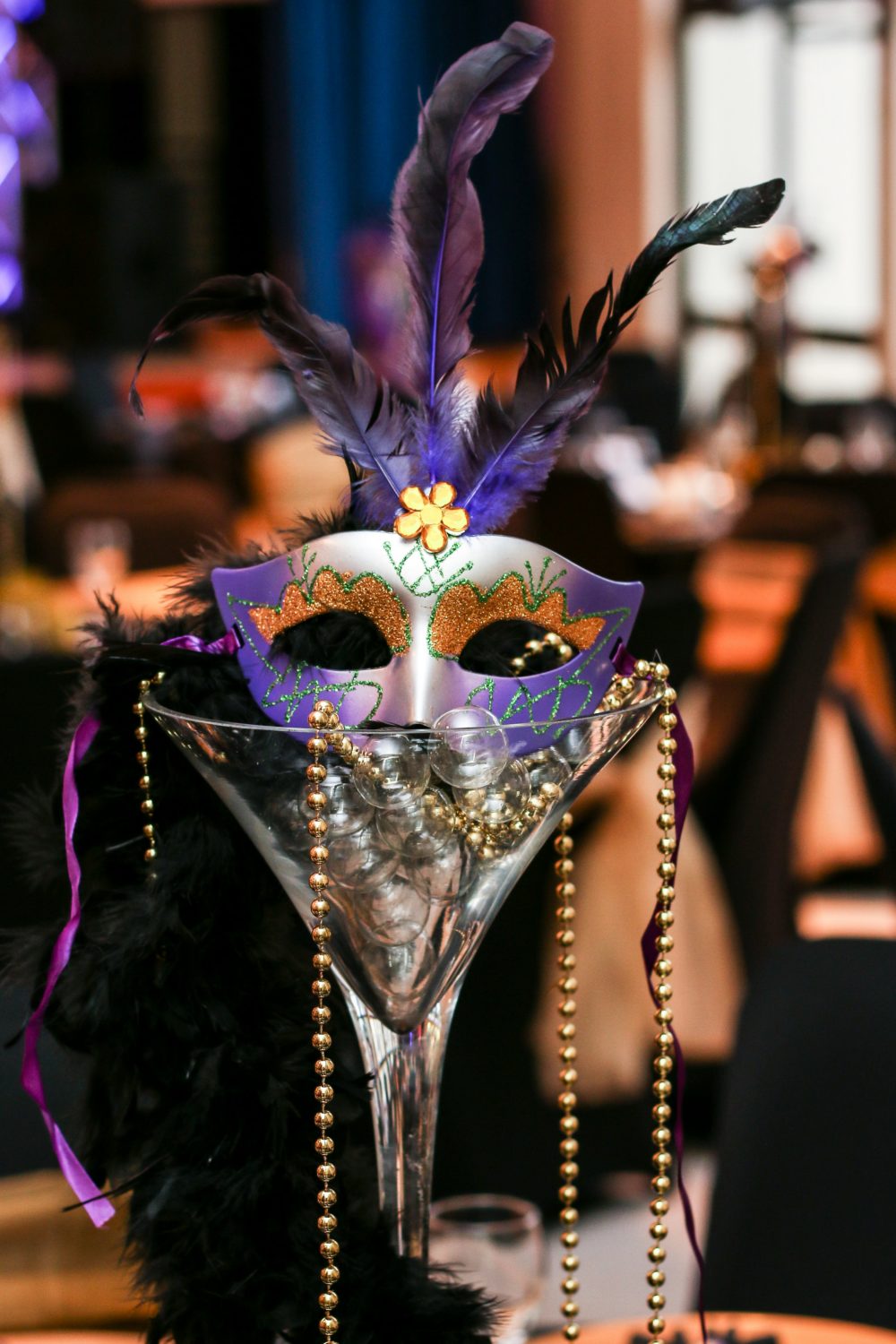
Mardi Gras started as a Christian holiday, but it’s also a massive celebration with roots stretching back to ancient spring and fertility festivals. Over time, and in countries with deep Roman Catholic traditions, it’s taken on the spirit of a grand party, sometimes called Carnival or Carnaval. This period is marked by joyful feasts right before Lent, where restraint is the usual theme.
Cities like New Orleans, Venice, and Rio de Janeiro throw some of the most unforgettable Mardi Gras festivals, complete with colourful parades, dazzling masquerade balls, and lively street parties. In these places—and many others—locals and visitors alike throw themselves into the festivities, creating traditions that keep drawing crowds from around the world every year.
Origins of Mardi Gras
Mardi Gras started with ancient Roman festivals where people enjoyed food, games, and fun. When Christianity spread, these traditions were not banned but slowly adapted to fit the Christian calendar. This helped people keep familiar celebrations while accepting new beliefs.
Festivals like Saturnalia and Lupercalia were full of feasting and excitement. Over time, parts of these celebrations were combined and linked to the period before Lent. This gave people one last chance to enjoy themselves before a season of discipline.
This mix of old and new traditions became what we now call Mardi Gras. It is a time of colour, music, and celebration before Lent begins. Mardi Gras shows how traditions can change over time while still keeping their original spirit.
The Meaning Behind Mardi Gras
The term “Mardi Gras” is French for “Fat Tuesday.” It refers to the tradition of enjoying rich food before Lent starts on Ash Wednesday. People would eat foods like meat, eggs, milk, and cheese so nothing tempting was left during the fasting period.
Mardi Gras is a time for fun and celebration, with roots in old festivals that welcomed spring and abundance. Over time, it became the colourful event we know today, with parades, masks, parties, and treats like King Cake. Places like New Orleans made it famous, drawing visitors from around the world.
Mardi Gras Celebrations in New Orleans
The story of Mardi Gras in New Orleans began with French explorers Pierre Le Moyne d’Iberville and Sieur de Bienville. When they arrived near modern-day New Orleans on 3 March 1699, they held a small celebration and named the place Point du Mardi Gras. There is still a friendly debate with Mobile, Alabama, about which city hosted the first Mardi Gras in America, but New Orleans fully embraced the tradition.
French customs introduced masked balls, fancy meals, and traditional Mardi Gras outfits. These early celebrations helped shape Mardi Gras long before it became the huge street festival we know today.
In 1827, a group of students who had studied in Paris brought new energy by wearing colourful costumes and dancing through the streets. About ten years later, New Orleans held its first official Mardi Gras parade, starting a tradition that now attracts visitors from around the world.
In 1857, Mardi Gras changed even more with the creation of the Mistick Krewe of Comus. This group organised a night parade with torches, music, and detailed floats. They also popularised the word “krewe,” which is now used for the many groups that organise parades each year.
Krewes like Comus have helped keep Mardi Gras traditions alive while also updating them over time. By mixing history with modern celebrations, they have made Mardi Gras in New Orleans lively, unique, and full of energy.
Global Mardi Gras Festivities
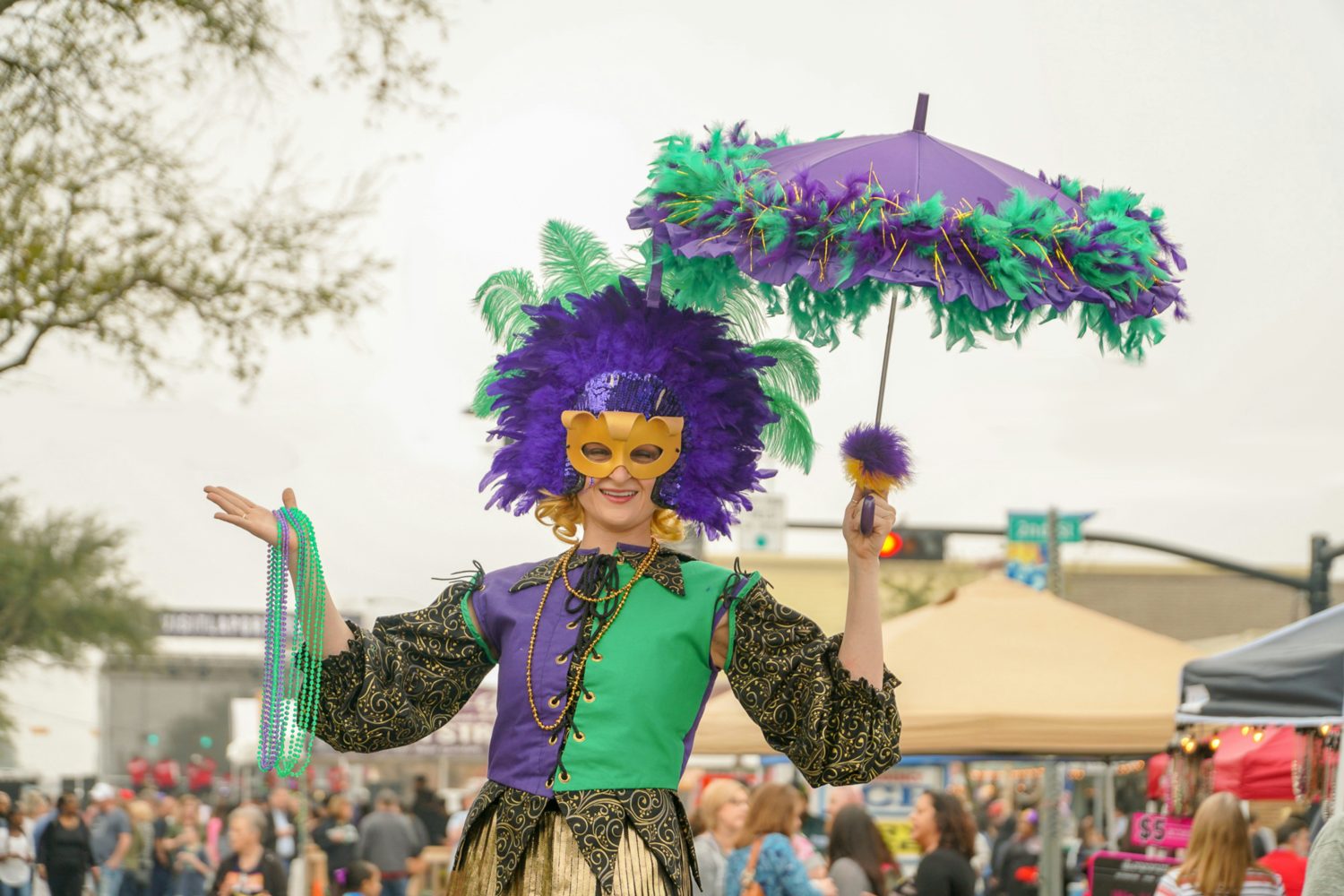
Brazil’s Carnival is loud, colourful, and full of energy. Samba music fills the streets as dancers in bright, sparkling costumes parade and celebrate together. The whole event brings people together to enjoy Brazil’s rich culture and love of fun.
In Venice, Carnevale feels elegant and traditional. The streets and squares fill with people wearing detailed masks and fancy costumes, making the city look like it stepped out of history. These celebrations date back to the 1200s, and every costume is carefully designed.
Germany’s Carnival, called Karneval, Fastnacht, or Fasching, is playful and bold. Parades and costumes are creative and noisy, but one fun tradition stands out. On Women’s Carnival Day, women cut off men’s ties as a joking sign of taking control.
In Quebec City, the Winter Carnival celebrates even in freezing weather. While it focuses on winter fun, it still shares the spirit of Mardi Gras with parades, ice sculptures, and the famous Bonhomme snowman, reflecting the city’s French roots.
All these festivals celebrate joy and togetherness in different ways. Each place adds its own style, showing there are many fun ways to celebrate Mardi Gras around the world.
Reflections on the Mardi Gras Experience
Mardi Gras isn’t just a big party—it has a long history, beliefs, and fun surprises. It began as a Christian celebration but also comes from old spring festivals that celebrated new life. Church leaders mixed these lively traditions into religion so people could keep enjoying their old customs.
Today, Mardi Gras happens in many countries with strong Catholic communities, but each place celebrates it differently. In Brazil, Carnival is full of music, dance, and colourful costumes from African, European, and indigenous traditions. Venice’s Carnevale is elegant and mysterious, with masks and fancy costumes still attracting crowds. In Germany, Women’s Carnival Day is playful, with women cutting men’s ties as a joke.
What makes Mardi Gras special isn’t just the partying—it shows how old ideas mix with new ones. Learning about it means looking beyond the costumes and confetti to see how people keep traditions alive. No matter where it’s celebrated, Mardi Gras shows that celebration can bring people together and connect us to our history.