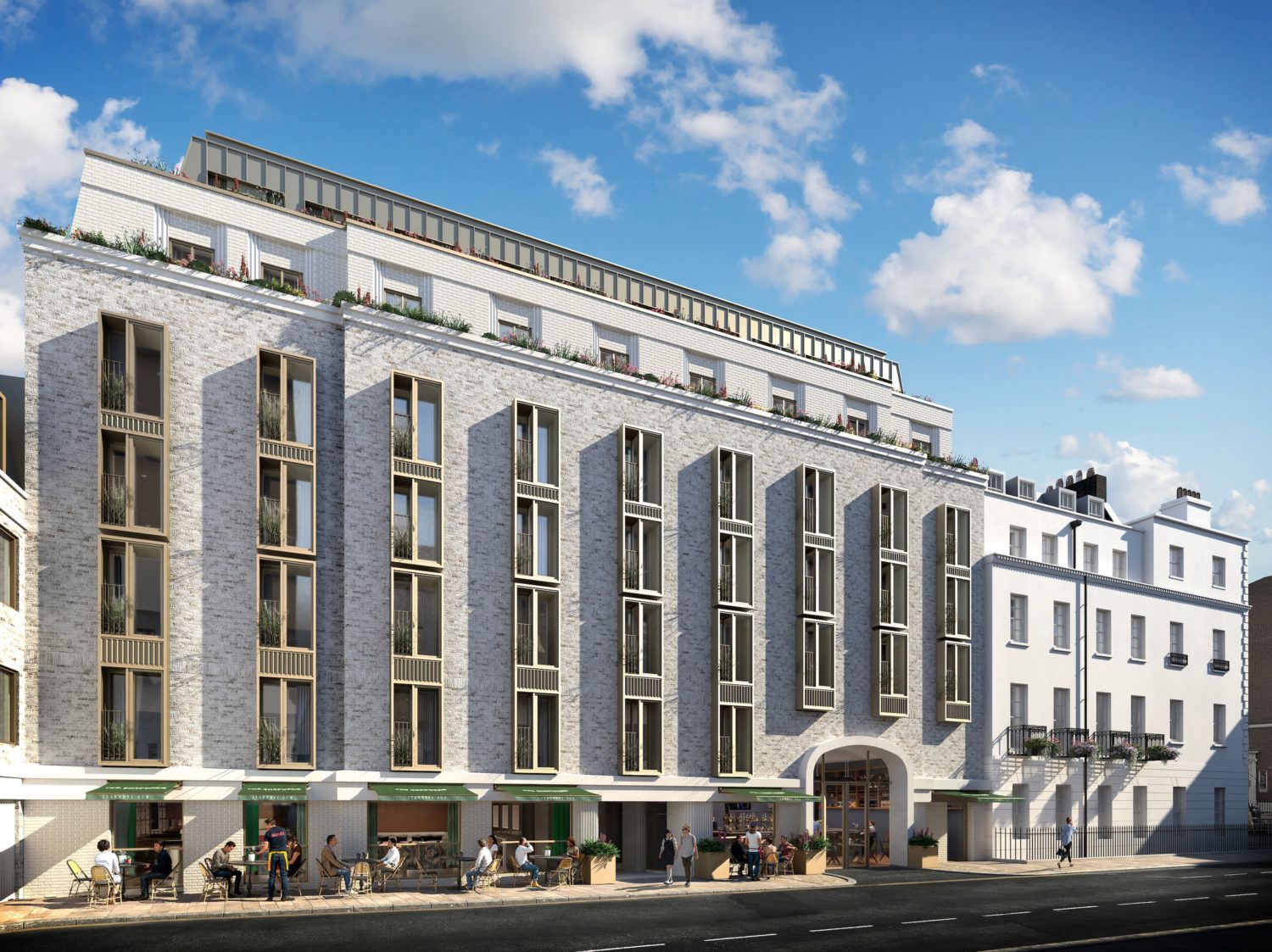
In a neighbourhood where history whispers from every doorway and refinement is instinctive rather than declared, a new address is quietly preparing to take its place. Opening in 2026, The Shepherd Mayfair will introduce an intimate, design-led hotel to the heart of Shepherd Market, one of London’s most storied and self-contained enclaves.
Anchored within a rare freehold site and spanning 33,600 square feet, the hotel forms part of the Elegant Hotel Collection and will comprise 82 guest rooms and suites arranged across six floors. Yet scale is not the story here. Instead, The Shepherd Mayfair is conceived as a contemporary heir to Mayfair’s great private mansions, a place where discretion, culture and conviviality once coexisted under a single roof.
The architectural and interior vision has been led by Timothy Shepherd, who began the project at Buckley Gray Yeoman before continuing it through his own practice, Shepherd&. Drawing inspiration from the eighteenth and early nineteenth century townhouses that shaped Mayfair’s original identity, the design reinterprets classical language through a modern, narrative-driven lens.
Rather than mimic history, the hotel inhabits it. References to the neighbourhood’s past are woven subtly throughout, from nods to local characters such as Desmond Sautter, Lord Sandwich and Tiddy Doll, to discreet braille and Morse code details recalling the area’s wartime intelligence connections and the nearby Down Street station. The result is a hotel that feels rooted, layered and deeply aware of its setting.
Inspired by London’s historic arcades, The Shepherd Mayfair is designed as a threshold between Mayfair proper and the more intimate world of Shepherd Market. A discreet walkway leads guests from the street into the hotel’s principal entrance, reinforcing the sense of discovery that has long defined this enclave.
Material choices are deliberate and tactile. Surfaces, joinery and detailing have been carefully composed to balance heritage with quiet modernity, creating interiors that feel collected rather than curated. This is luxury expressed through proportion, texture and restraint.
Each guest room and suite is individually configured, responding to the building’s townhouse origins and varied proportions. Interiors are warm and composed: timber finishes sit alongside lighter tonal palettes, softly curved upholstery and accents of blue, while red velvet curtains introduce a note of theatricality. Window seats overlook Mayfair, offering moments of pause within the rhythm of the city.
Practicality is approached with the seasoned eye of a traveller. Desks convert seamlessly into dressing tables or chess boards, storage is integrated rather than imposed, and lighting is layered to create an intimate, residential atmosphere. Every room features a banker’s lamp and bespoke details that reward close attention.
Lighting throughout the hotel has been supplied by Apparatus, the New York-based studio with a Mount Street showroom, reflecting a long-standing creative relationship and a shared commitment to craftsmanship.
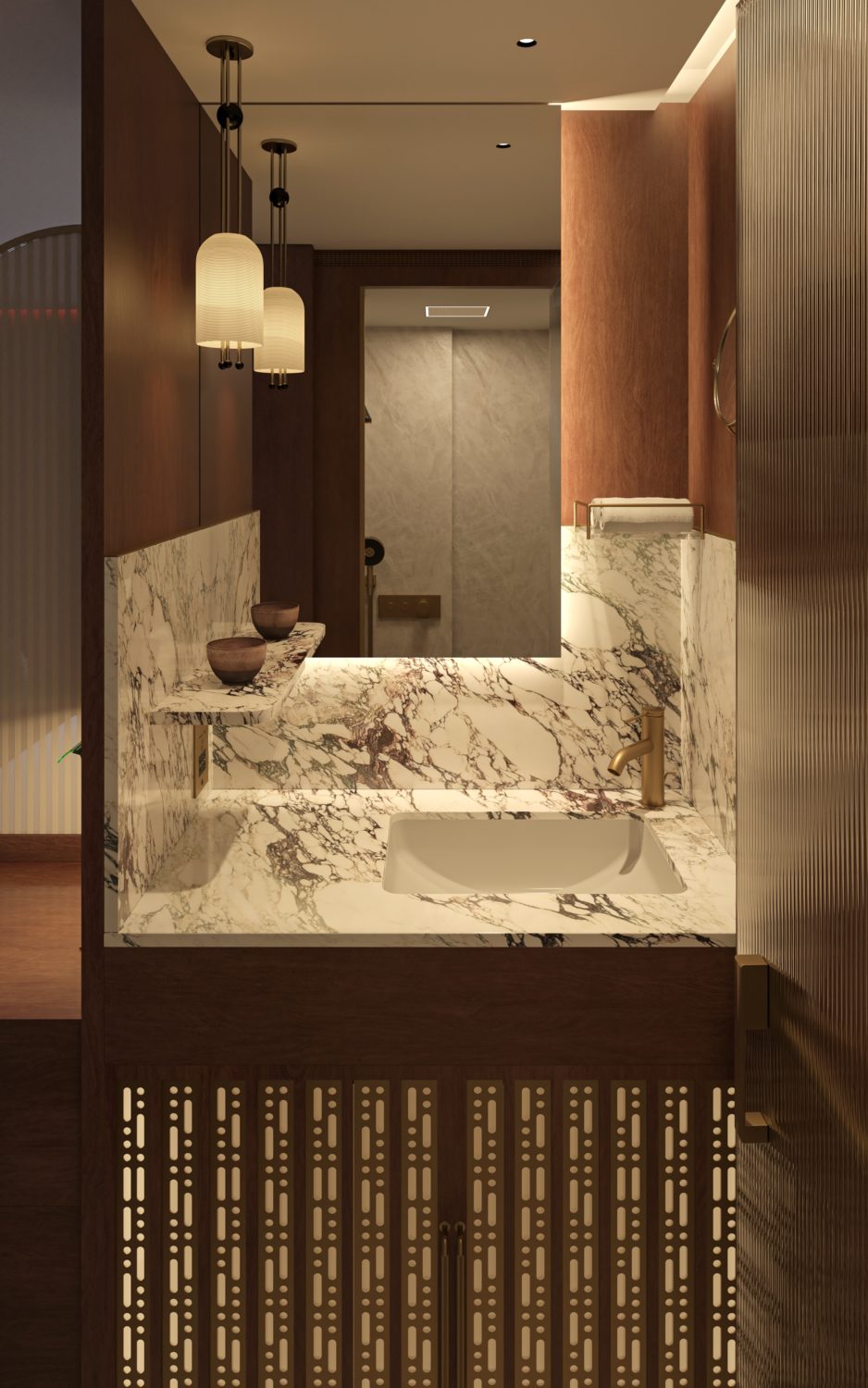
Bathrooms are finished in marble, with select rooms offering baths and separate seating areas. Circulation spaces, by contrast, are deliberately moody and atmospheric, lined with a curated art programme featuring works by Jack English, many exhibited publicly for the first time, alongside pieces by George McLeod, whose practice reimagines classical imagery through a contemporary lens.
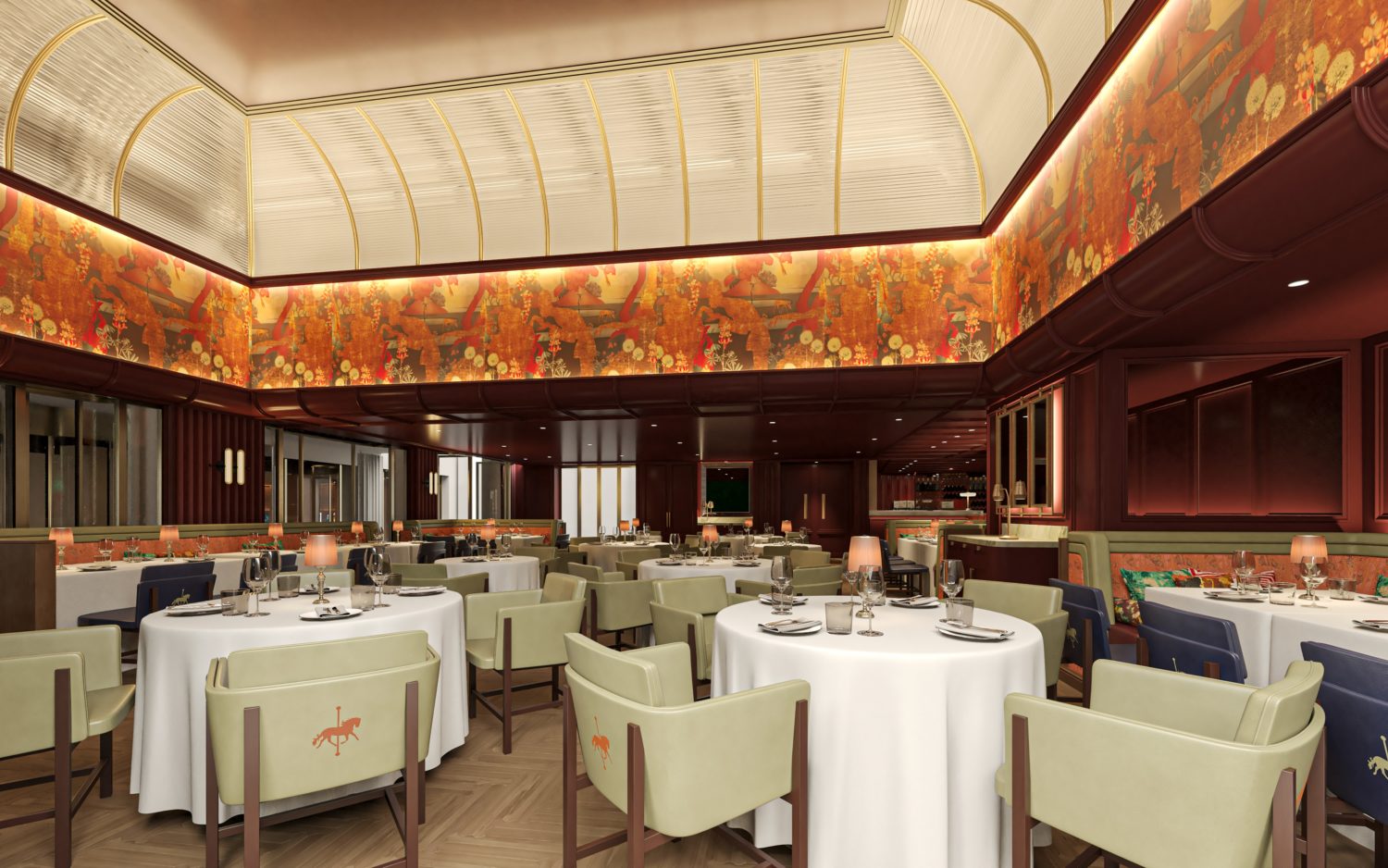
At ground level, Fayre anchors the hotel with a 75-cover modern brasserie inspired by the historic fair that once occupied Mayfair’s open fields. Seasonal dishes are served throughout the day in interiors defined by banquette seating, dark timber panelling and a rich berry-toned palette. Wall coverings by urban artist Adam Ellis animate the space with theatrical scenes that reinterpret the energy of the original fayre, from markets and performers to games of chance.
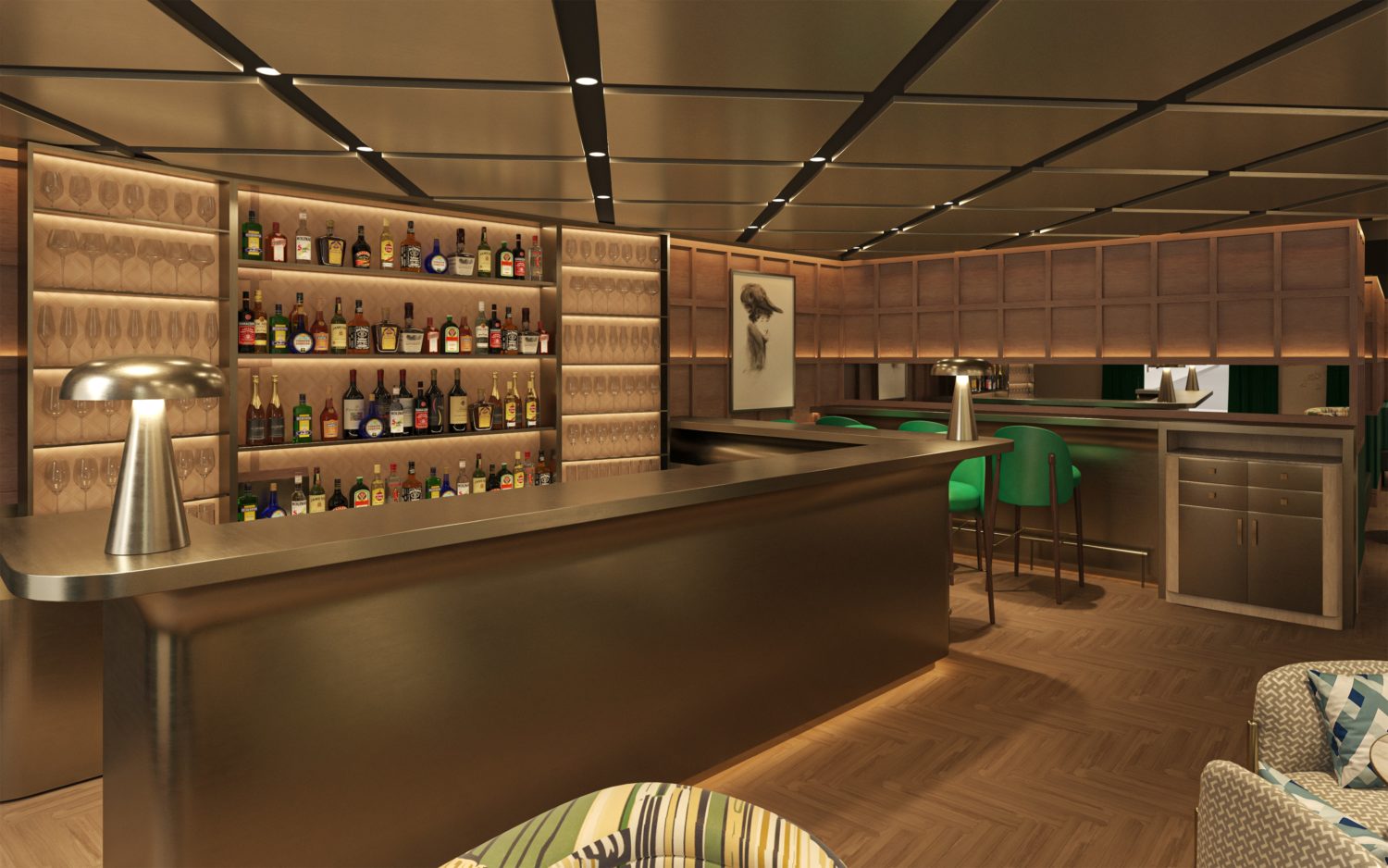
Also at street level, The Lounge offers a softer, more informal rhythm. Designed as a café by day and a bar by evening, it features 58 covers and a generous outdoor terrace, welcoming both hotel guests and locals. Forest green velvet upholstery, natural timber finishes and geometric detailing create an atmosphere that feels relaxed yet refined. Black and white illustrated vignettes by John Broadley capture everyday moments throughout the lobby, complemented by additional photographic works.
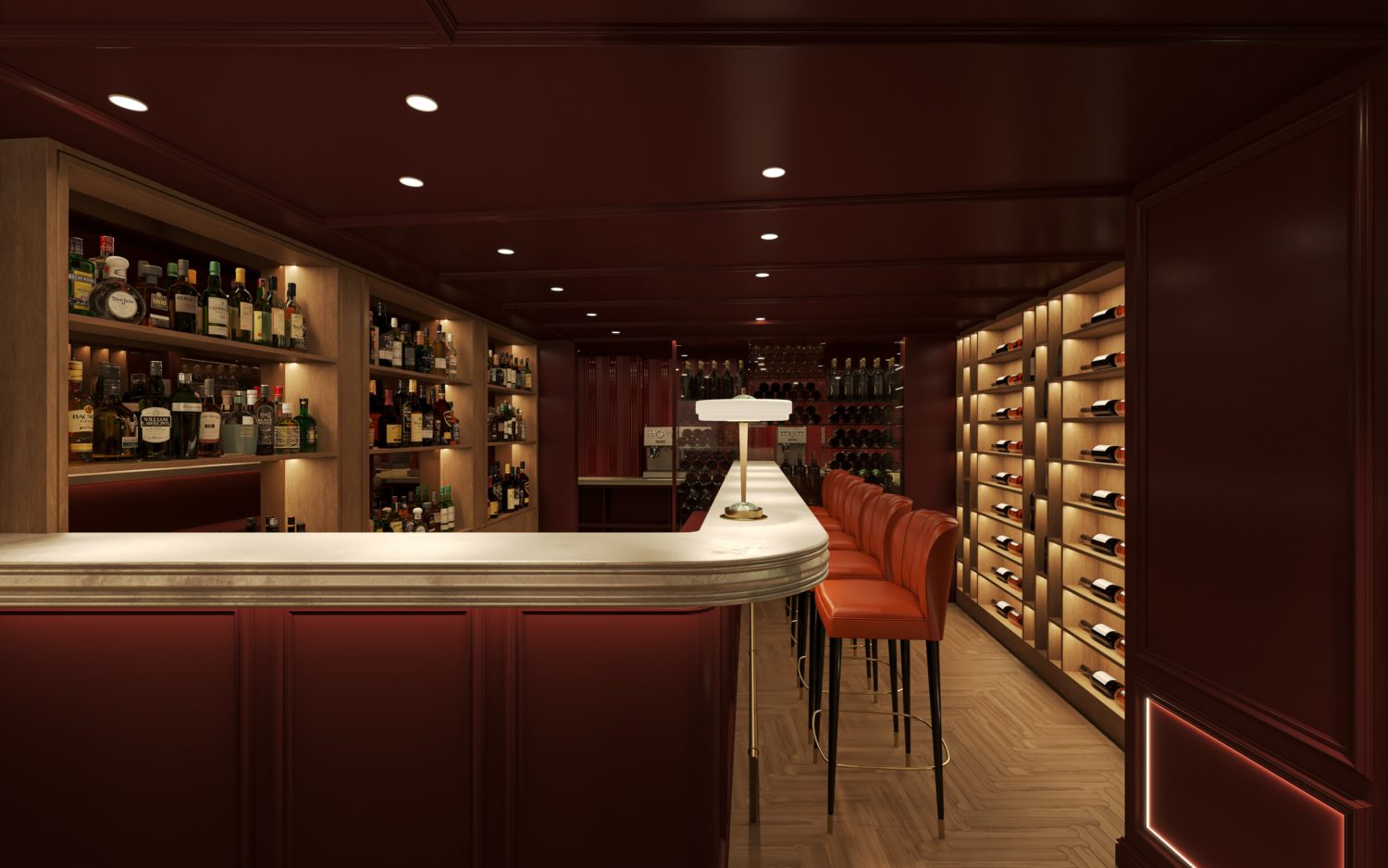
Hidden below ground, Teddy’s channels the spirit of Mayfair’s original drinking rooms of the 1960s. Reached via a discreet entrance on Market Mews, a concealed staircase, lift or arched passage from the lobby, the bar takes its name from Edward Shepherd, the eighteenth-century architect and developer who shaped Shepherd Market itself.
With 72 covers, commissioned murals and interiors wrapped in deep green and blue tones, Teddy’s feels both intimate and animated. Limited-edition Liberty archive prints upholster furniture and cushions, while subtle Parisian influences add an edge of nocturnal glamour. It is a space designed for late conversations and long nights, echoing the social rituals that have always defined Mayfair.
“The Shepherd Mayfair has been shaped through a deeply considered architectural and design approach, paired with a strong sense of brand identity,” says Timothy Shepherd. “We drew inspiration from the original mansions of Mayfair, where business and pleasure coexisted. In many ways, they were the first true boutique hotels. This is our modern interpretation.”
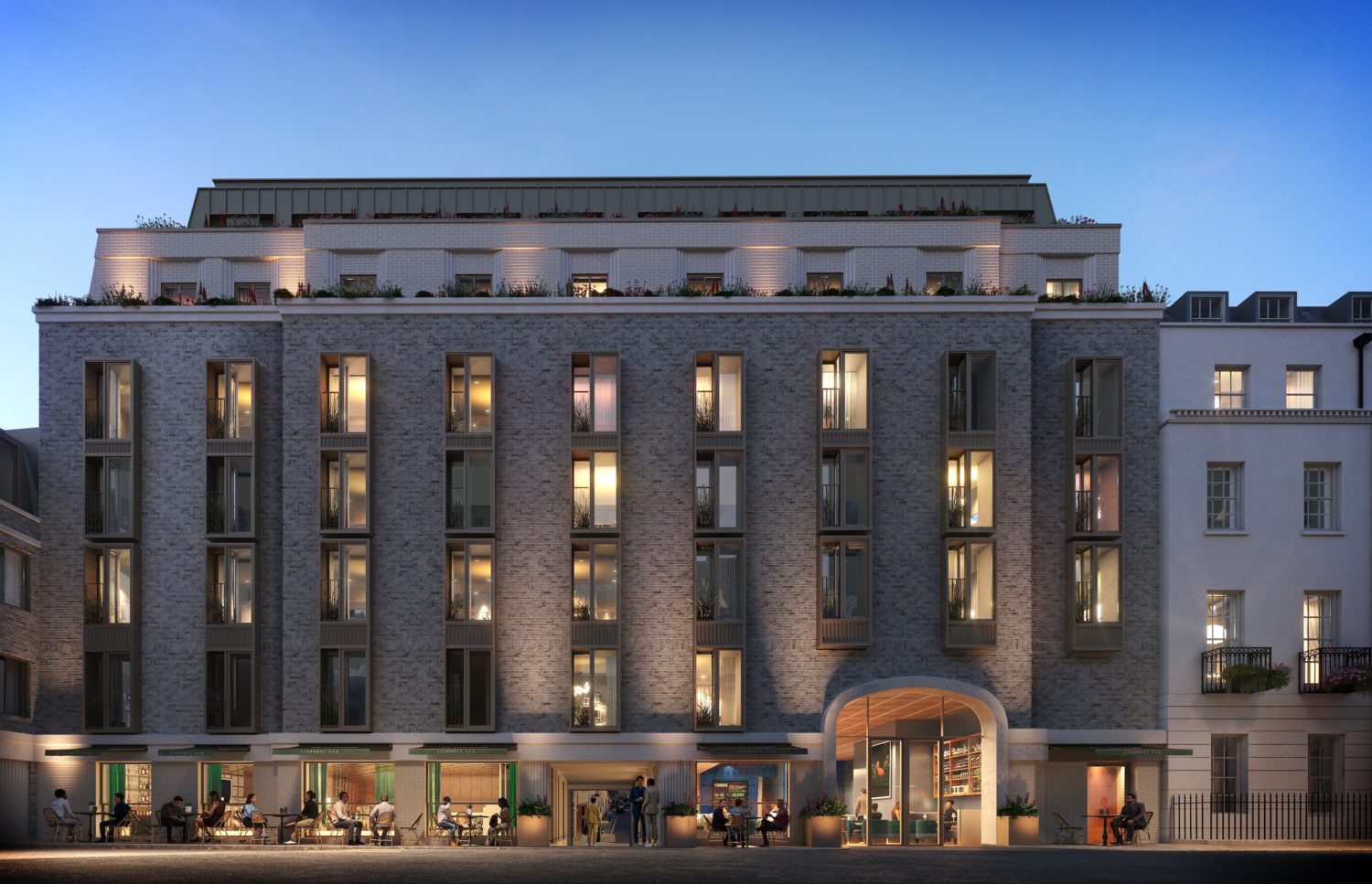
That sense of belonging is central to the project. Rather than imposing a new identity onto the neighbourhood, The Shepherd Mayfair has been designed to feel as though it has always been part of Shepherd Market’s fabric, quietly distinctive, richly informed and confidently understated.
When it opens in 2026, it will not announce itself loudly. Instead, it will invite discovery, offering a new address for those who understand that the most compelling luxury is often the most discreet.
@theshepherdmayfair | theshepherdmayfair.com
2 Stanhope Row, London W1J 7BT