If you’re wondering where to go for a winter holiday, make sure you put Oman at the top of the list. The beauty of it is that it can tick both city and beach boxes, which is a winning combo for most intrepid travellers. We fly with Oman Air into Muscat, where mountains meet the sea and the scent of spice lingers in the air.
The Sultanate of Oman lies on the southernmost end of the Arabian Peninsula. It may share a border with the UAE, but it feels a world away from Dubai, its flashier neighbour. Elegant, understated and gloriously unspoilt, it’s a country that still breathes its history – a blend of tradition, warmth and stunning architecture.
Muscat:
Our base in the capital is The Chedi Muscat, a serene retreat of courtyards, palm trees and quiet luxury. Sitting by the sea on a warm night sipping a delicious cocktail, it really feels like paradise. After a fabulous breakfast chosen from a vast range of options, we are perfectly situated to explore.
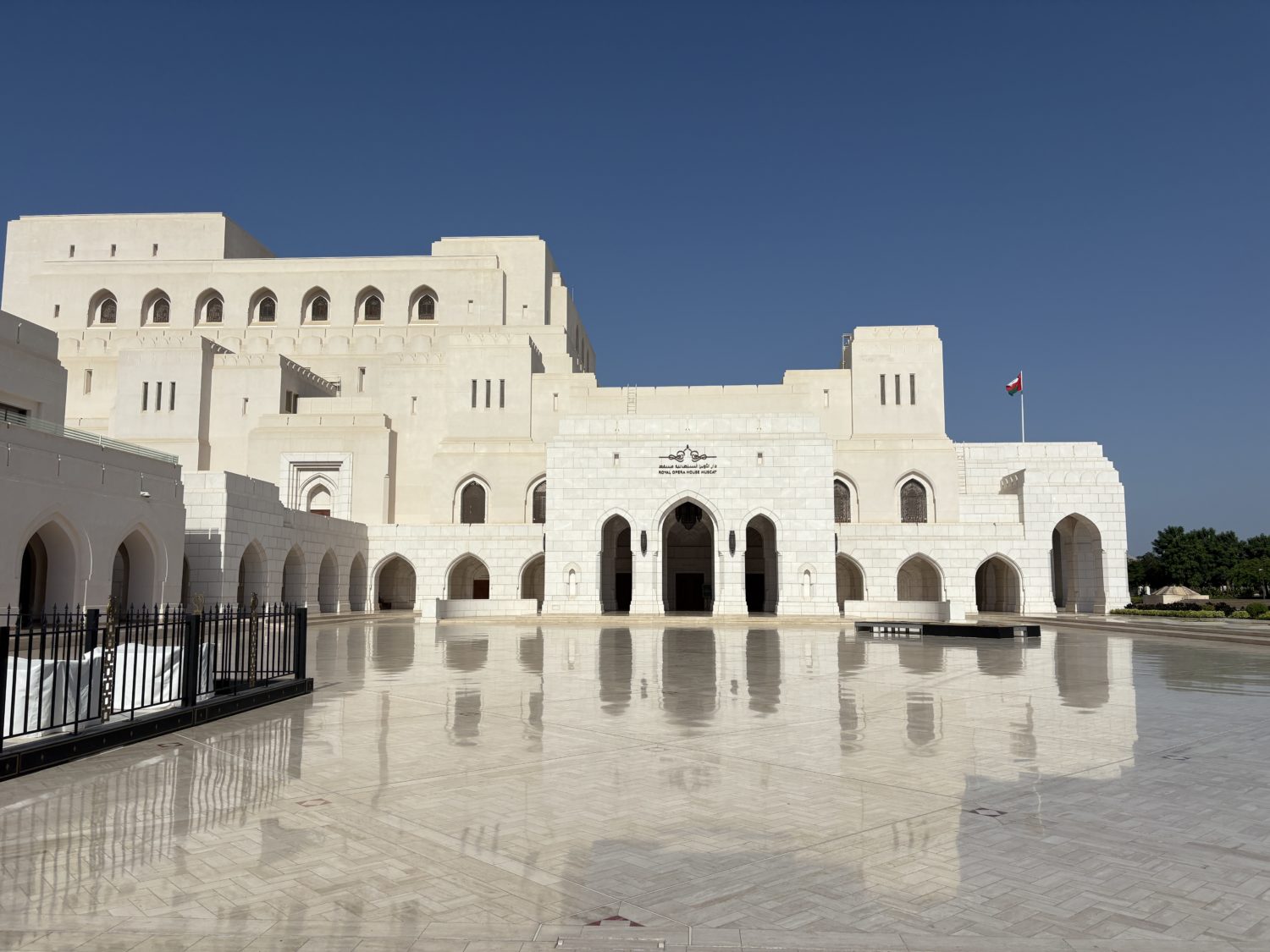
From here, we meet our guide from tour guide company ‘Off the Map Oman’ and we explore the city’s highlights: the National Museum and then the magnificent Royal Opera House Muscat. Built in 2011 it’s a vision of Italian marble, African mahogany and Swarovski crystal. Used for so much more than opera, it hosts cabarets, theatre and on my visit, they are setting up for Cinderella on Ice! The tickets are reasonably priced, and on a night there everyone dresses up in their finery (and don’t worry if you didn’t pack your best ballgown, as suitable clothing can be borrowed from the box office.) This is all-inclusive culture at its best.
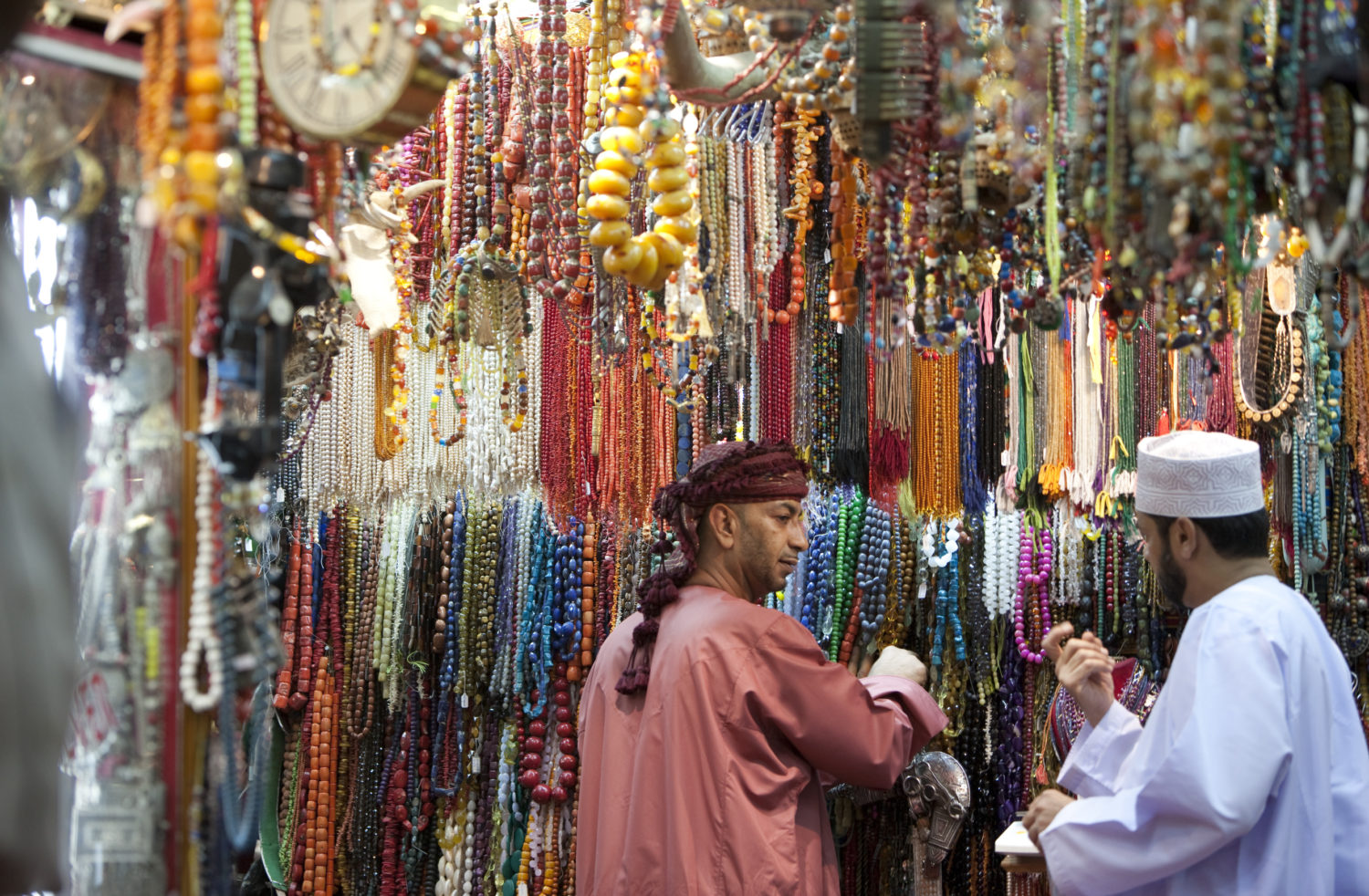
Mind you, you could probably buy an outfit at the Muttrah Souq – one of the oldest marketplaces in the Arab world. For centuries, it was the trading hub for goods arriving through Muscat’s harbour from India, China, Europe and the wider Middle East. Today, its narrow alleys are still alive with the sound of shopkeepers and savvy bargain-hunters, tourists and locals happily mingling. It’s a veritable treasure trove of jewellery, accessories, and gifts, with frankincense and spices filling the air with their heady mix.
Just beyond the souq, we stop at Bait Al Luban, a traditional Omani restaurant overlooking the harbour. The aroma of cardamom, dates and slow-cooked lamb drifts through carved wooden doors, and like the Bisto kid, I glide up the stairs and into the restaurant. We order shuwa – tender meat marinated in spices and cooked underground for hours – alongside fragrant rice and warm, soft bread. The food is honest and generous, the kind that tells you everything you need to know about Omani hospitality, and we sit on cushions around a large table, needing a rest after our shopping spree in the souq.
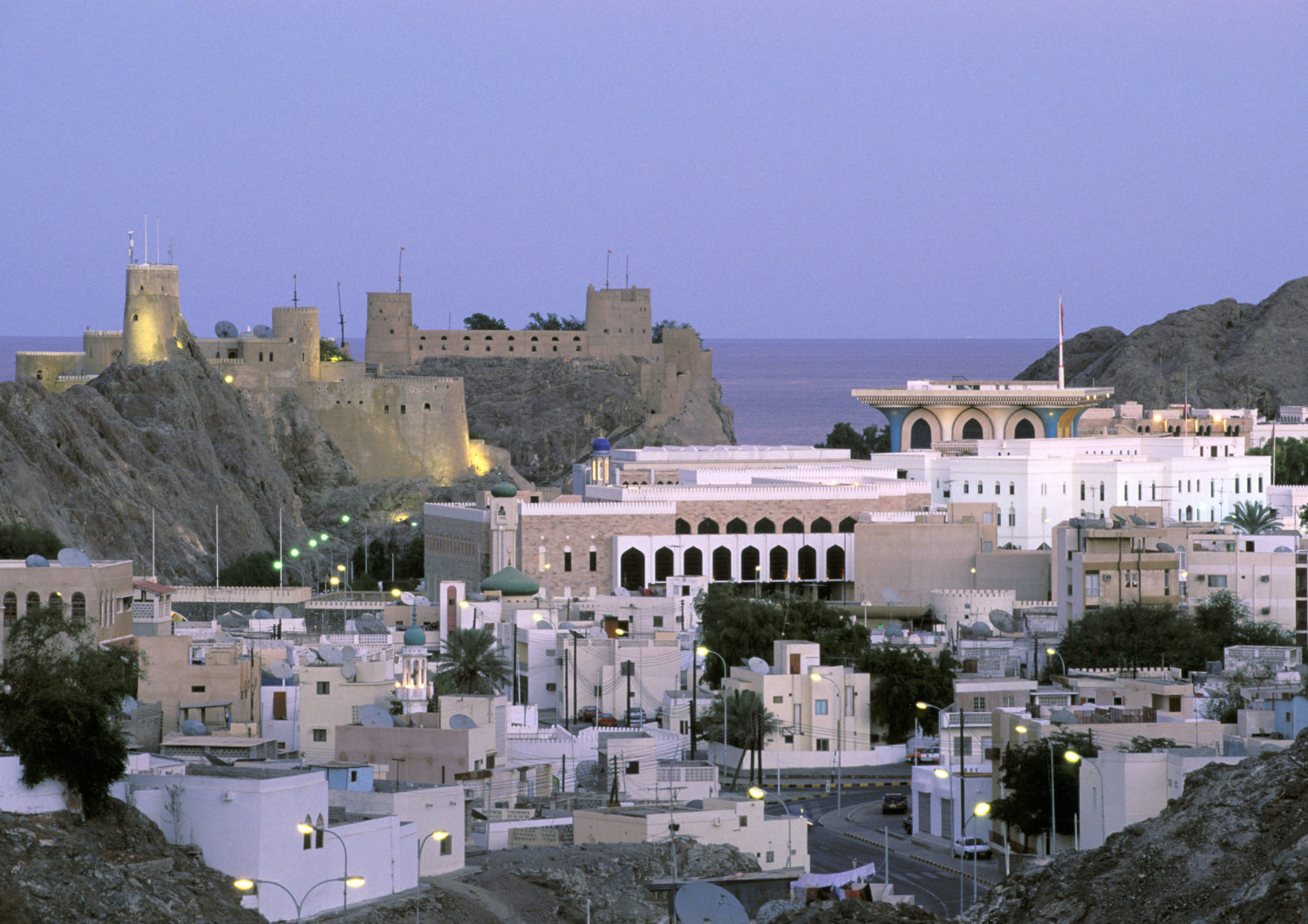
An absolute must-visit is the Sultan Qaboos Grand Mosque. Open to visitors each morning, it is breathtaking. Built this century but already part of the nation’s spiritual fabric, its marble domes and intricate chandeliers glow in the light. There’s a calm energy here – the kind that stays with you long after you leave, which makes it hard to imagine what it must be like when it reaches its potential capacity of up to 20,000 worshippers.
Dhofar:
After a few days in Muscat, we take a short internal flight south to Salalah, in the Dhofar region. It’s an hour and a half by plane and if you’re not in a hurry, a 12 hour drive (the way many Omanis will travel, enjoying the epic views).
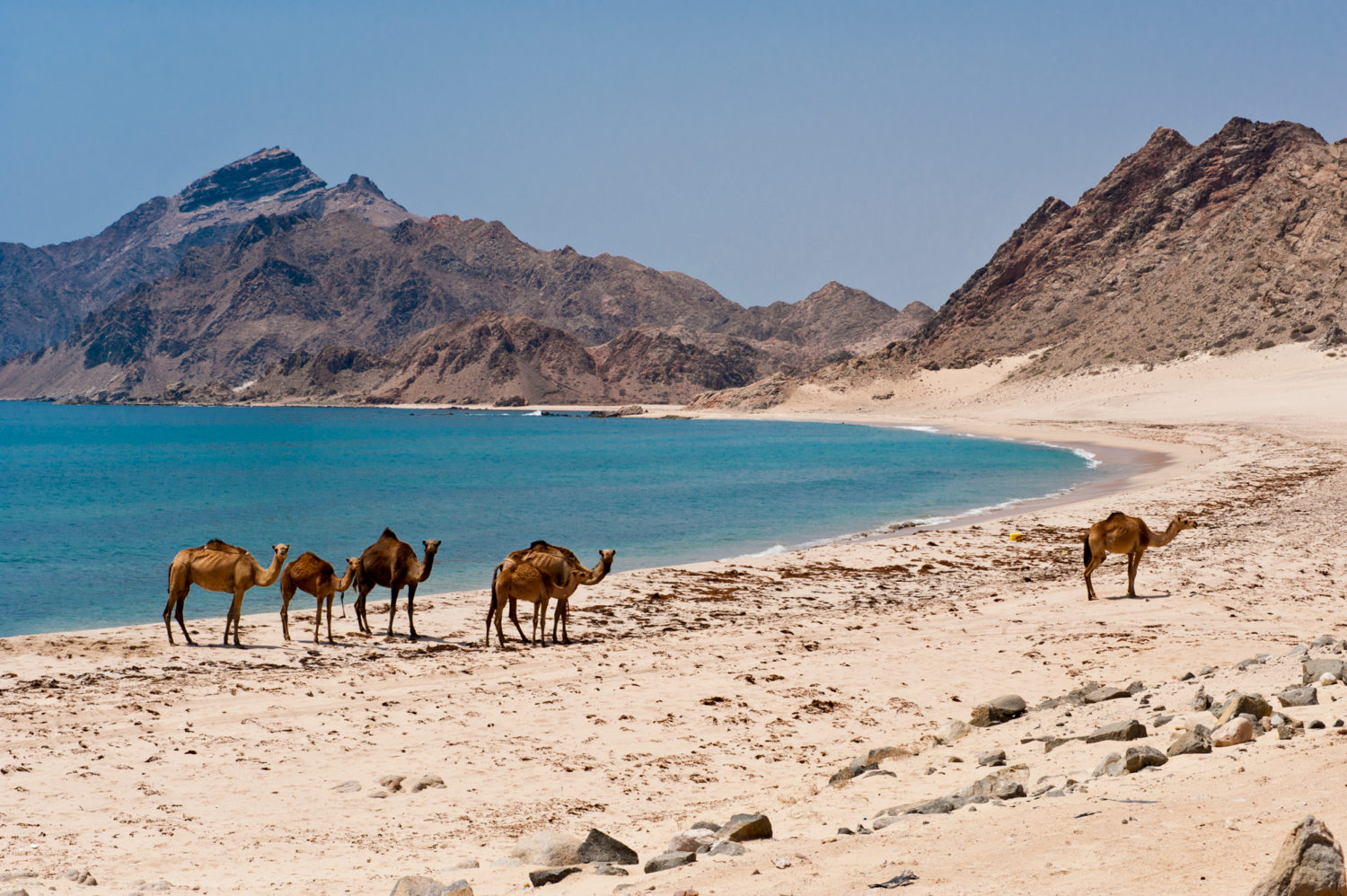
Our autumn, and Oman’s post-monsoon season (known as Khareef), is the best time to visit as the sun is warm, the rains have passed, but the hills remain green and waterfalls still flow. The only traffic we encounter on the way to the hotel is long lines of camels idly making their way back to the mountains. They are all herded to safe low ground during the Khareef season, as they have a tendency to fall off the slippery mountainous slopes, so visiting in October is the perfect time to see them making their way home.
Salalah welcomes over a million visitors each summer during the Khareef season, despite being home to fewer than half a million residents. It’s a key focus of Oman’s Vision 2040 – a national plan for thoughtful, sustainable tourism that invites the world in without losing what makes the country special.
Salalah:
We check into Al Baleed Resort Salalah by Anantara, where we are greeted with Omani coffee and the now familiar scent of frankincense. Staying in a stunning villa with a private pool is the ultimate luxury and it’s only the allure of the beach sunbeds and beautiful views of the Indian Ocean that can entice me out.
With Hamid and his assistant Mohammed from Amazing Salalah Tourism as our guides, we begin to understand this part of Oman’s character. We start with the coconut and banana stalls that line the roads – a small but colourful detail of daily life – before wandering through Al Haffa Souq, the city’s vibrant heart where Hamid introduces us to some local stall-owners.
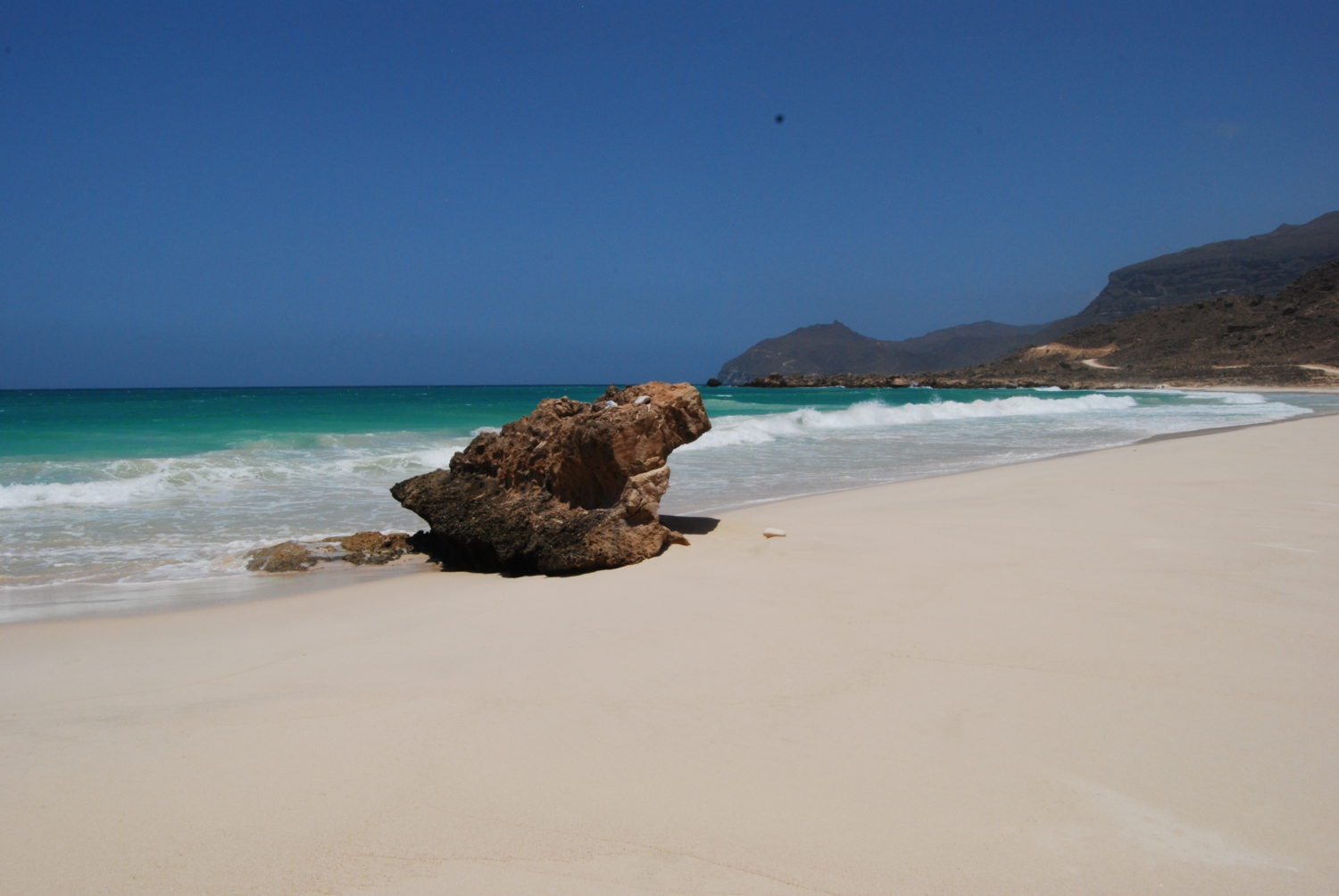
Evenings in Salalah are made for wandering. On Al Hafa Beach, we join locals watching the sun sink into the sea. Children play football on the sand while a group of parrot handlers entertain the crowd – brilliant green and gold wings flashing against the fading light. It’s joyful and completely uncontrived, and very entertaining as we duck for cover when they fly over our heads. Later, dinner at Mekong, Anantara’s lively pan-Asian restaurant, is a perfect contrast: fresh, elegant dishes served beside a still lagoon, and then a short stroll back to a peaceful night of sleep.
The next morning is all about frankincense, Oman’s ancient treasure. At the Land of Frankincense Museum, a UNESCO World Heritage Site, we trace the resin’s role in shaping centuries of trade. Outside, harvesters show how the milky sap is gathered from Boswellia trees and dried into fragrant gems that are then used in coffee, sweets and even bottled water. From there, we drive to Eftalqout Cliff and Shaat Viewpoint, where the Indian Ocean stretches endlessly below. The Dhofar landscape is jaw-dropping – lush valleys giving way to desert, mountains meeting sea – but it’s also vast and untamed. This is where a good local guide becomes essential. With Amazing Salalah’s expertise, we find hidden wadis, quiet beaches and cliffside paths that would be impossible to discover alone.
Taqah:
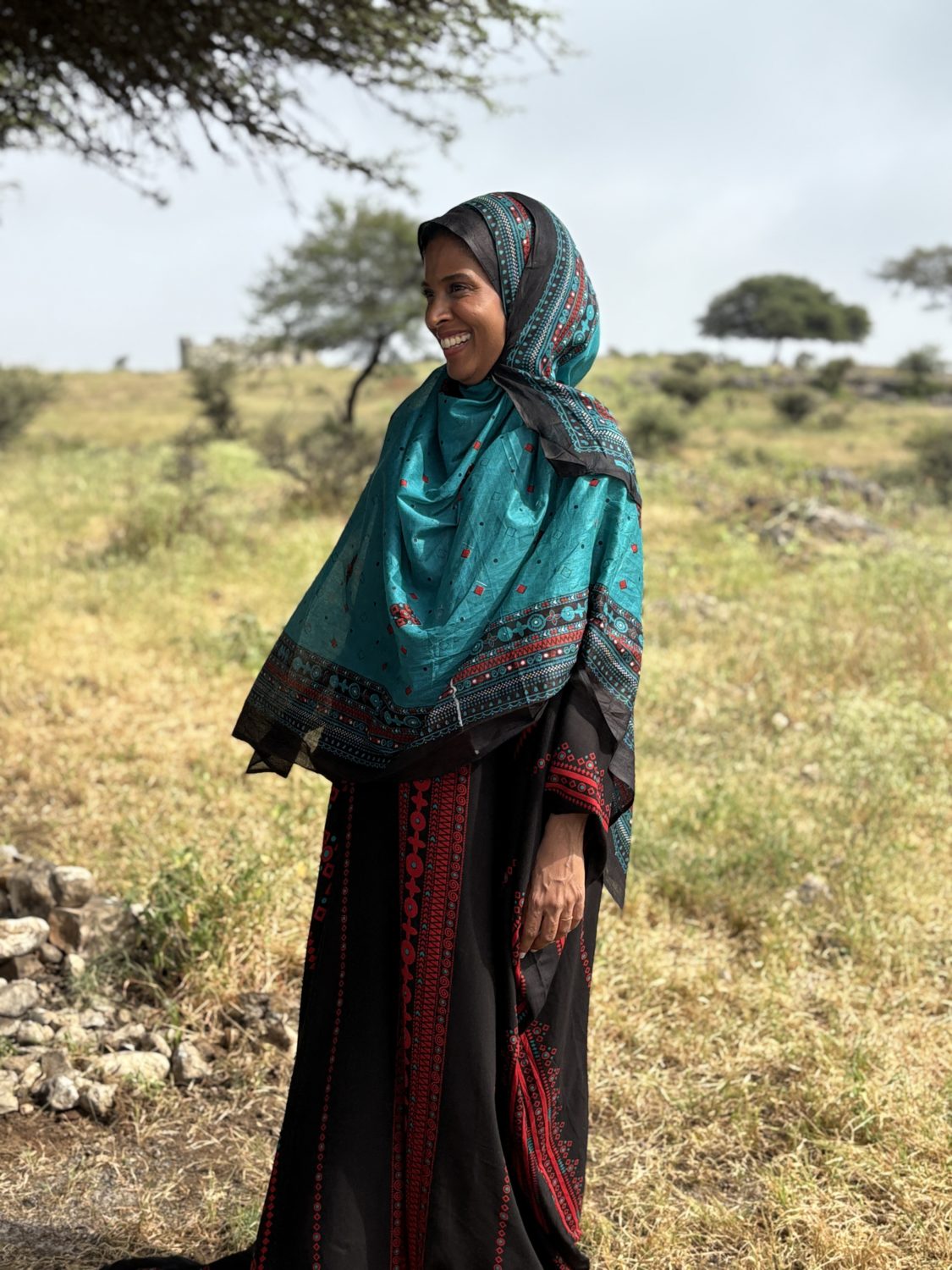
In Taqah, a coastal town with wide beaches and old coral houses, we visit Taqah Castle, where we learn about traditional Dhofari tribal life. The region of Dhofar has four different ecological zones, from a coastline and foothills to mountains and the desert and has a diversity of indigenous languages and cultures. Its history is so ancient it pre-dates Islam and the spread of Arabic. We have help to understand the area’s history and traditions from a wonderful female-led tour operator called Ghudu.
After a drive up into the misty mountains, we meet one of the founders, Nooralhuda al Mandhari, for a traditional tribal lunch served high on Jabal Samhan. It’s a fascinating and very special experience. Food slow-cooked underground for 24 hours using camel ghee, rich and smoky with a depth of flavour that feels rooted in centuries of tradition. We share from the same dish, learning how to ball up the rice and meat together with one hand. It’s a messy business for us, but Noor and her team make it look effortless. We hear traditional poetry and songs and learn how the most common topics were women or camels!
On our final evening, standing on a cliff overlooking the Indian Ocean, camels grazing below, I realise why Oman stays with you. It doesn’t shout or show off. It simply exists – fascinating, grounded and quietly magnificent. Dubai may dazzle, but Oman endures. It’s the Middle East’s best-kept secret – a five-star escape with soul, and a reminder that true luxury is often found off the beaten track.
Getting there:
Fly direct from London Heathrow to Muscat with Oman Air (approx. 7 hours). Internal flights from Muscat to Salalah take around 90 minutes.
Where to stay:
The Chedi Muscat – sleek serenity and timeless style in the capital.
Al Baleed Resort Salalah by Anantara – beachfront luxury surrounded by nature.
Who to go with:
Amazing Salalah Tourism – expert local guides for Dhofar’s mountains, beaches and heritage sites.
‘Off the Map Oman’ – expert local guides for Muscat’s cultural highlights
When to go:
October to April for warm, dry days. Visit post-monsoon (August–October) for green hills, waterfalls and cooler air.