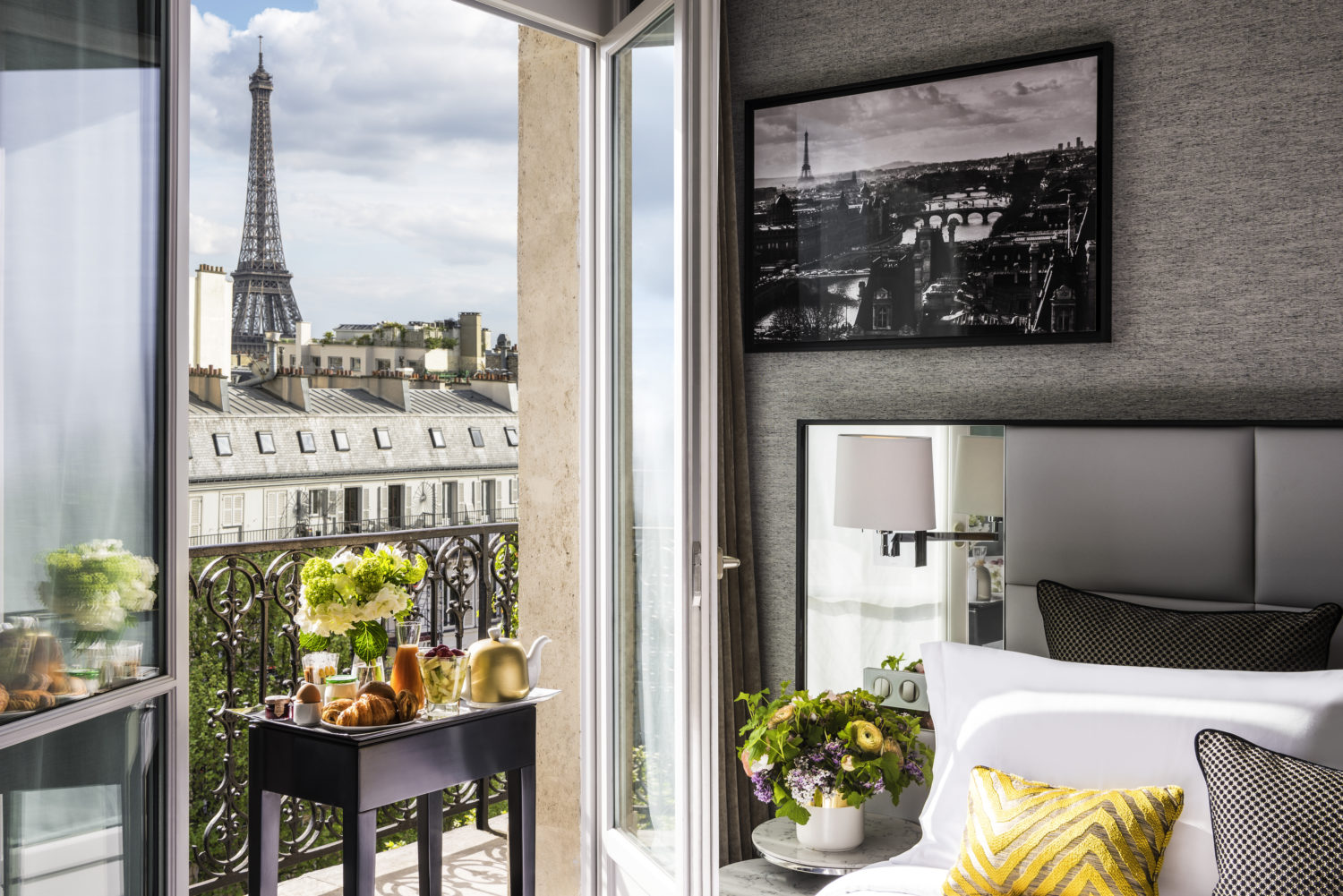
The croissant is one of the few things London and Paris can both claim, argue over, and quietly judge each other for. Everyone has an opinion. Everyone thinks they know better. And yet, the French still set the rules.
Travelling on Eurostar Premier feels like an early reminder of that hierarchy. The lounge at St Pancras is calm, efficient, and noticeably well dressed. Coffee is served properly. No one is rushing. It is the kind of environment that gently suggests you might want to recalibrate your pace before crossing the Channel.
Onboard, a four-course menu by two Michelin-starred chef Jeremy Chan and former World’s Top Pastry Chef Jessica Préalpato does not announce itself. It simply delivers. Clean flavours, thoughtful pacing, and a level of restraint that makes you forget you are on a train at all. It feels intentional. Considered. Paris, already, without the performance.

By the time Gare du Nord comes into view, the croissant has not yet appeared, but its presence is felt. It is the unspoken reason for the trip. A symbol of French confidence that London continues to admire, borrow, and occasionally overcomplicate. The timing is deliberate. The journey unfolds in the days leading up to Global Croissant Day on 30 January, when the pastry takes centre stage across Paris and beyond.
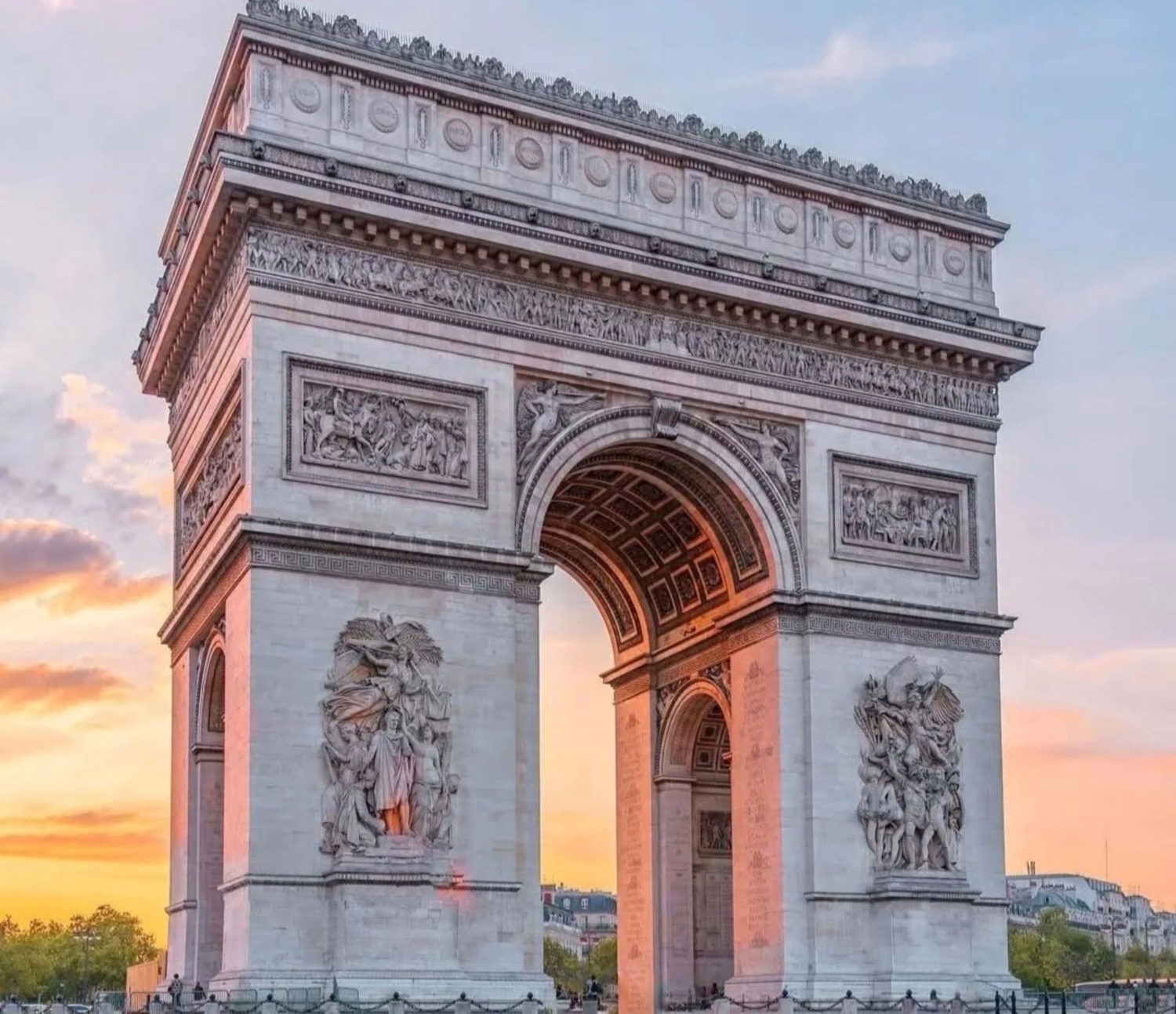
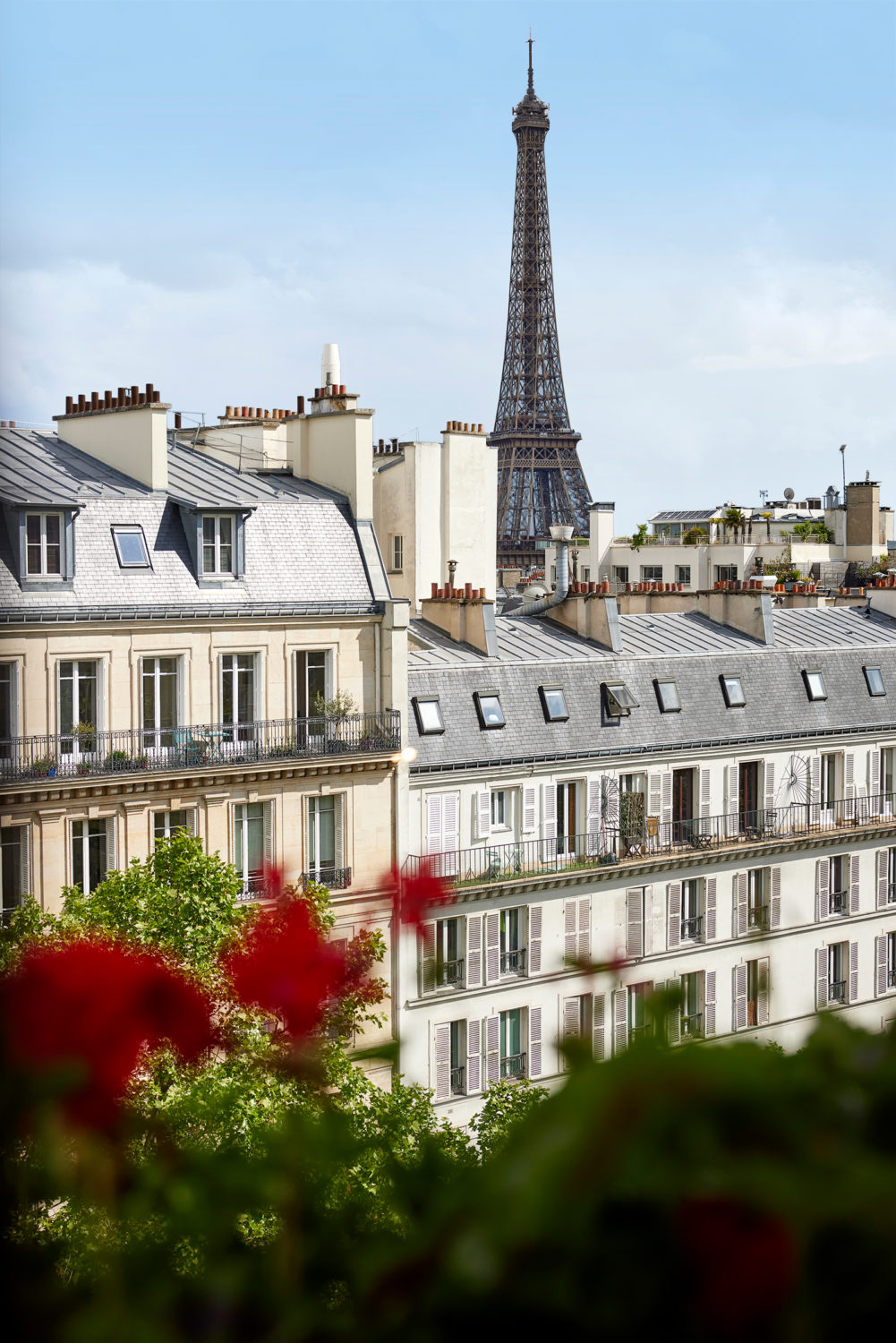
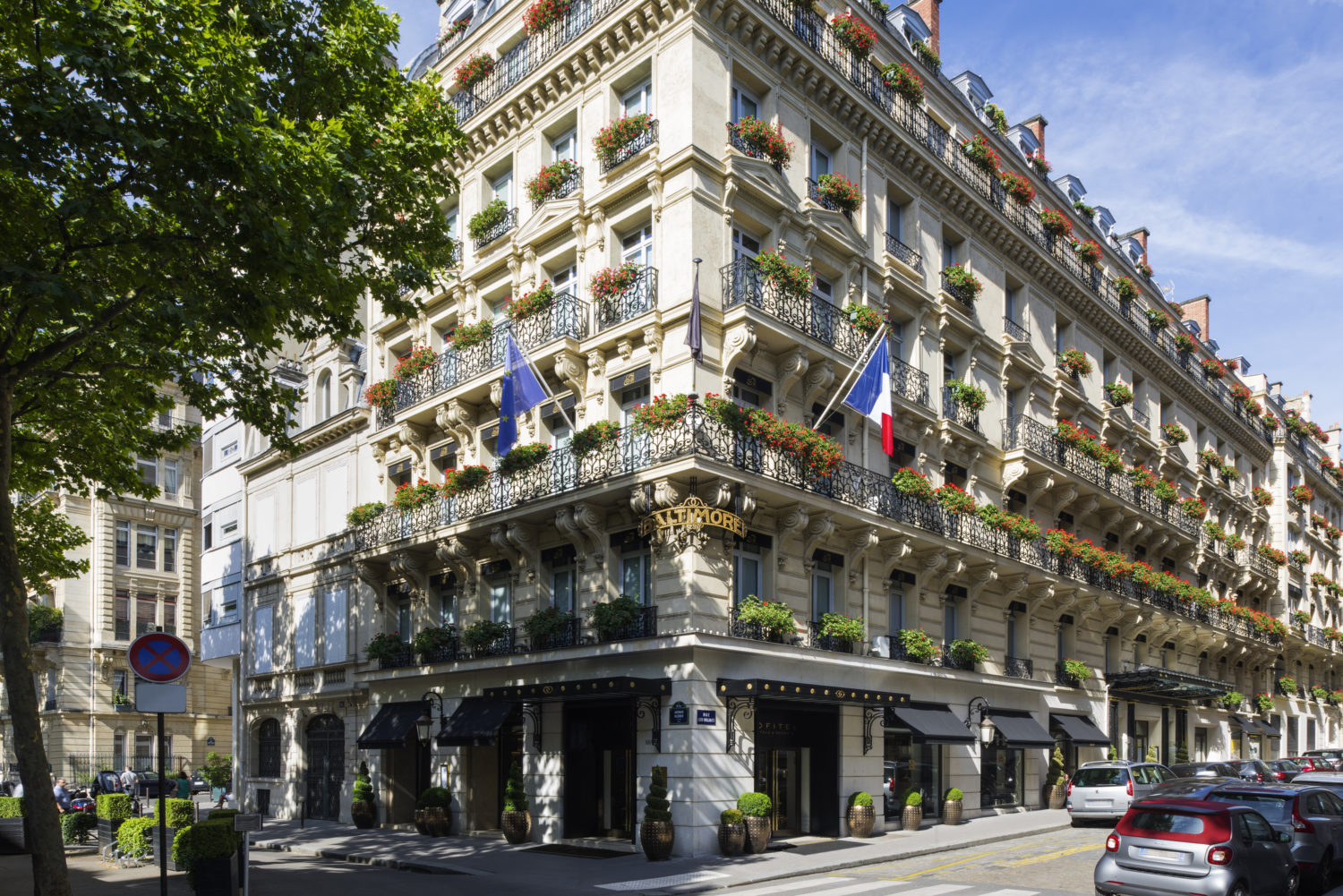
At Sofitel Paris Arc De Triomphe, that confidence settles in. The hotel occupies a reassuring middle ground. Polished but not precious. Stylish without being stiff. It understands that luxury today is less about spectacle and more about how easily you slip into a space.
The design is quietly graphic, with Studio Putman’s restraint running through the interiors. Parquet floors, soft light, a sense of calm that feels deliberate rather than imposed. It is the kind of hotel that encourages you to unpack properly, even for a short stay.
Sofitel, as a brand, has always occupied an interesting position. French at its core, but international in outlook. Rooted in craft, but not nostalgic. That balance becomes particularly clear through La Haute Croissanterie, its global croissant concept that treats the pastry less as a breakfast staple and more as an expression of technique.
During a hands-on workshop at Sofitel Baltimore, the process is stripped back to fundamentals. Lamination. Butter quality. Temperature. Timing. Rooted in the classic pur beurre technique, the croissants remain faithful to tradition while allowing room for subtle interpretation. Nothing feels forced. Structure always comes first.
La Haute Croissanterie was conceived as a global signature for Sofitel breakfasts by consultant chef Anne-Cécile Degenne, inspired by the logic of Haute Couture. Precision, repetition, and an understanding that the smallest details are often the most visible. The comparison holds. A croissant, like a well-cut jacket, either works or it does not.
Much of the execution here comes from pastry sous-chef Myriem Ait Yala, whose approach balances classical training with a contemporary sensibility. Trained at Ferrandi, her work feels assured and quietly modern. The pastries are elegant without being overworked. Confident, not clever.
This is where the croissant becomes interesting again. Not as nostalgia, but as craft.
Back at Sofitel Paris Arc De Triomphe later that evening, cocktails and a light dinner unfold without urgency. Service is warm and attentive without feeling rehearsed. The hotel understands its role as a base rather than a destination. Paris is the main event. Sofitel simply makes it easier to enjoy.
The night ends at the Théâtre du Lido with Les Demoiselles de Rochefort. Colour, movement and music, all carefully constructed to appear effortless. It is a reminder that French culture has always understood the balance between joy and discipline. Nothing is accidental, even when it looks light.
The following morning is deliberately unplanned. Breakfast stretches. The Arc de Triomphe is close enough to wander past. The city does the rest.
La Haute Croissanterie is designed to travel. Seasonal collections reinterpret the same technique through different regional lenses, allowing the croissant to evolve without losing its identity. French craft, exported carefully, without dilution.
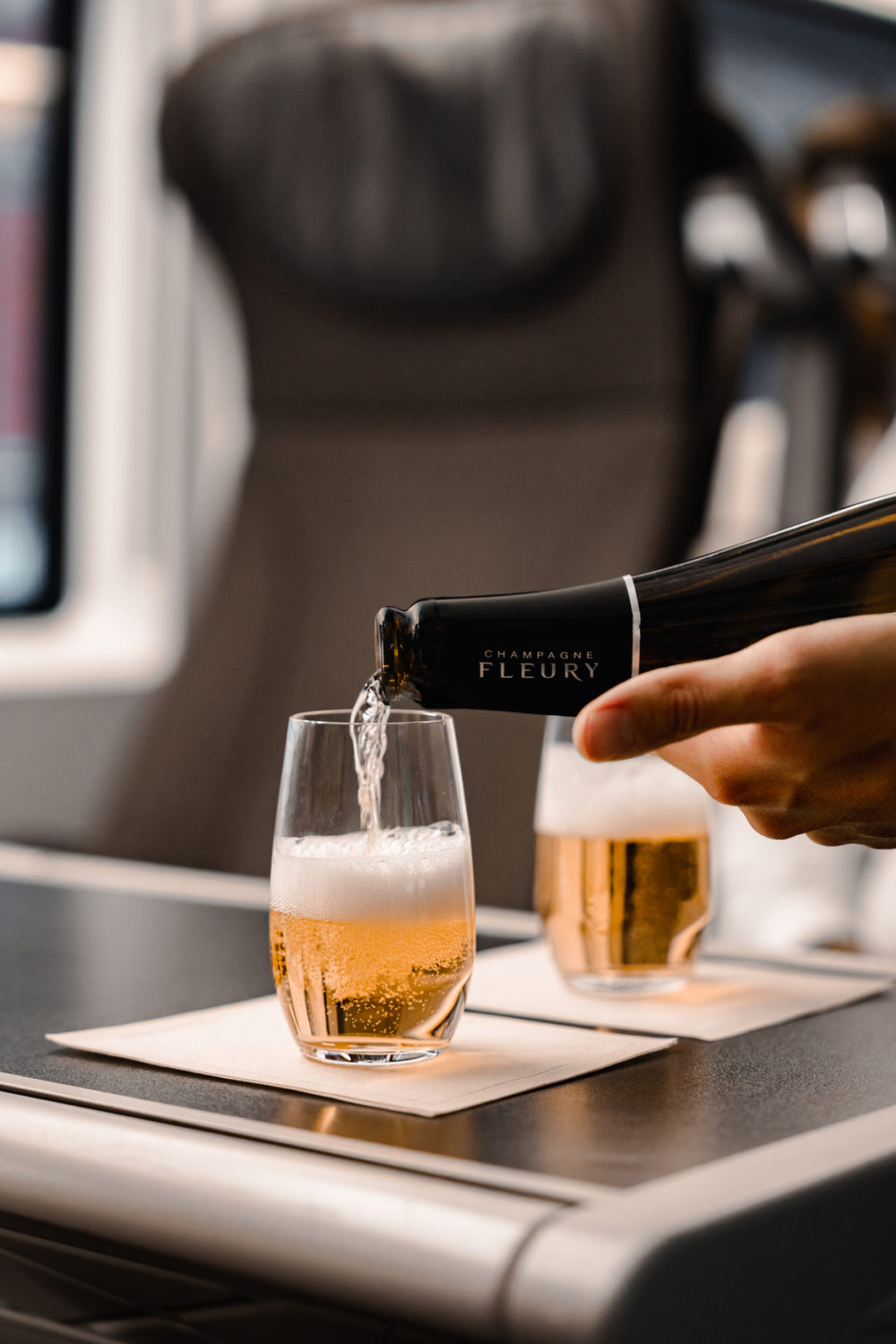
On the return journey to London, champagne is poured and the croissant finally arrives without commentary. It does not need any. It simply makes sense.
Eurostar serves hundreds of thousands (510,083 to be exact) of croissants each year across its trains and lounges. Not because it is a novelty, but because it is expected. Some rituals are not optional.
On Global Croissant Day, this story is not about celebrating a pastry. It is about understanding why certain things endure. Attention. Patience. Knowing when to stop refining. Paris understands this instinctively. London is still negotiating with it.
And the croissant remains quietly untouchable.