Finding the right chair is more than just picking a pretty fabric. It is about how your body feels after sitting for 2 hours. A good seat provides a sanctuary after a long day of work. You want a piece that supports your frame without causing aches. True comfort comes from a mix of science and personal preference. The best choices blend style with physical health. Finding this balance makes your living space feel much more inviting.
Strategic Lumbar Support
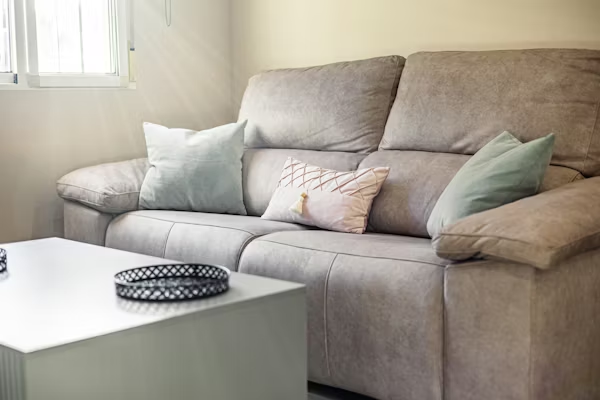
Proper posture starts with where your back meets the chair. A medical resource from UCLA Health suggested that your buttocks should stay pressed against the back of the seat. This position works best when a cushion causes the lower back to arch slightly. It prevents the body from slumping forward during long periods of rest. Without this help, the spine loses its natural curve. Small adjustments in your sitting position make a huge difference in daily comfort levels.
Adaptable Room Layouts
Flexible seating often defines a modern living room. Choosing comfy indoor beanbags helps create a relaxed atmosphere for family movie nights. These pieces allow for easy rearrangement whenever guests arrive.
- Lightweight designs move easily between different rooms.
- Soft fillings mold to individual body shapes for a custom fit.
- Low profiles create a grounded feeling in open living spaces.
- Removable covers make cleaning much simpler for busy homes.
Modular pieces provide options for every member of the family. You can shift the layout to match the activity of the day. This adaptability keeps a home feeling fresh and functional. It allows you to transform a quiet reading corner into a social hub in seconds.
Managing Spinal Pressure
Posture affects how much stress your neck handles every day. A technical field report from ECREEE noted that leaning forward increases pressure on the cervical spine by 40%. This extra weight leads to chronic pain and stiffness over time. You should look for seating that keeps your head aligned over your shoulders. High backrests offer the necessary support to keep the neck neutral.
Psychological Color Choices

The look of a chair influences your mood before you even sit down. A blog post from Marymount University indicated that using calming colors like blue or green creates a serene atmosphere. These tones help in reducing stress and promoting a sense of relaxation. Bright or loud colors might feel energetic, but they can hinder a peaceful environment. Neutrals provide a steady base that works with various decor styles.
Fabric and Sensory Comfort
The way a material feels against your skin determines your immediate reaction. An engineering journal from IJRTI explained that soft and smooth fabrics often bring feelings of calmness and security. Rough textures might lead to irritation or physical stress during use. Choosing a high-quality textile makes a seat feel more indulgent. Natural fibers often breathe better than synthetic options.
This temperature control adds another layer of physical ease during the summer months. You do not want a fabric that sticks to your skin or feels too hot. Soft velvets or high-grade cottons provide a premium experience. The tactile sensation of a chair is just as significant as its shape. A pleasant texture invites you to sit down and stay for a while.
Modular Design Trends
Furniture needs to keep up with changing lifestyles and smaller living spaces. An interior design update for 2025 mentioned that frameless sofas consisting of several segments can be transformed at will. This allows users to build the exact configuration they need for their specific room size. You are no longer stuck with a heavy, static couch that takes up too much space.
Firmness vs Softness
Finding the balance between a soft feel and solid support is a common challenge. An ergonomic guide stated that a firm chair supports the pelvis and keeps the spine in a neutral position. A very soft chair feels nice at first, but often lets the body collapse inward. This lack of structure leads to back pain after just a few minutes of sitting.
You want a seat that provides initial softness with a sturdy core underneath. This combination protects your joints while still feeling cozy. Test a chair by sitting in it for at least 15 minutes. If you feel like you are sinking too deep, it might lack the support you need. A good chair should hold its shape even after years of use.
Creating a cozy home requires attention to the small details of every chair. You deserve a space where you can truly unwind without physical strain. Pay attention to how a seat interacts with your spine and your senses. The right furniture makes your daily routine feel more luxurious. It is an investment in your well-being that pays off every single day. Take the time to test different options until you find the perfect match for your needs.