Jack London, frontier novelist and author of Call of the Wild said it best: “When I first came here, tired of cities and people, I settled down on … the most beautiful, primitive land to be found in California.”
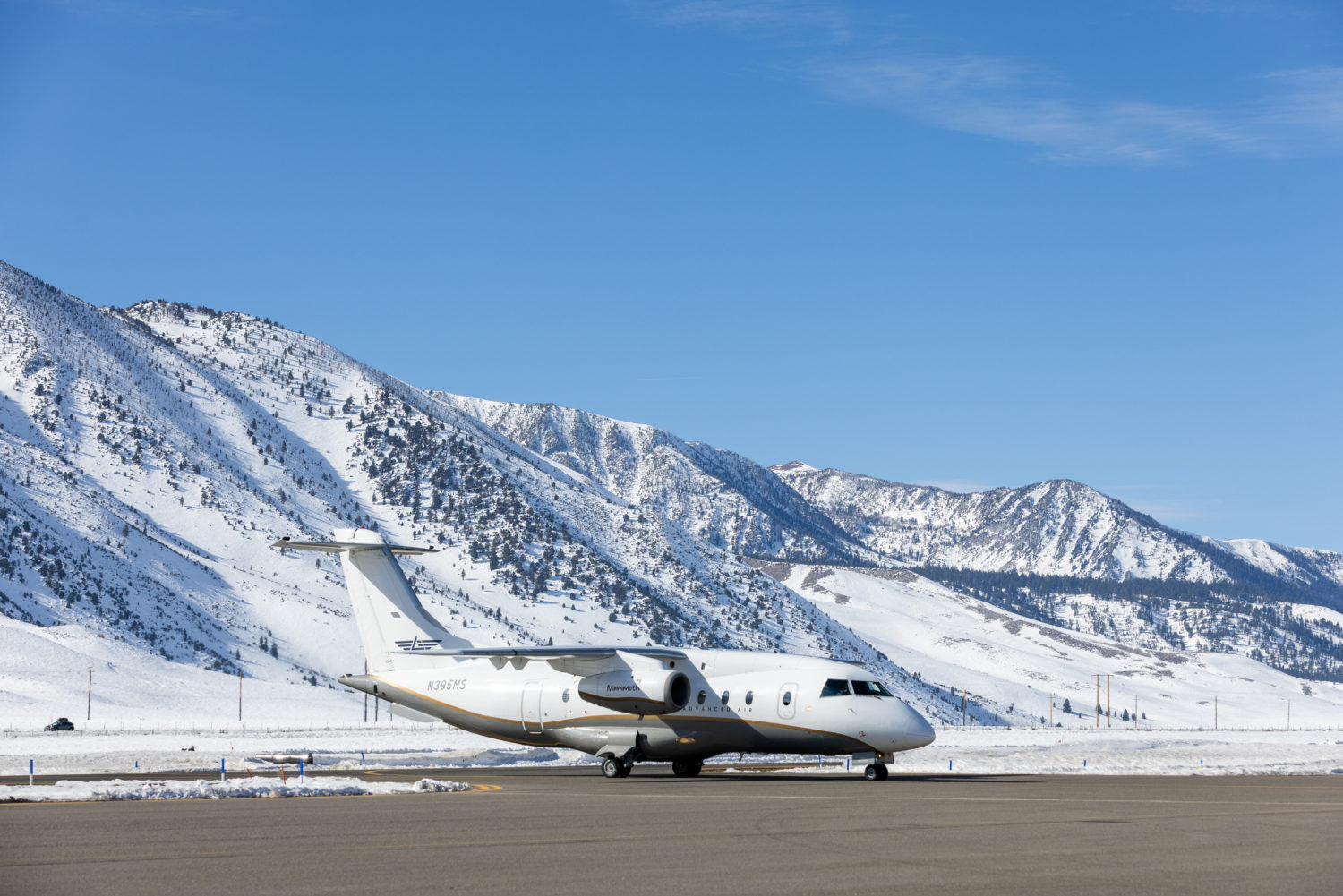
Mammoth Lakes has been regarded as Los Angeles wilderness get away for about a century. Nestled up in the Sierra Nevada mountains, the place is both a winter sport resort, and a summer nature reserve for those seeking adventure and the outdoor life. A short one-hour flight on Advanced Air from Los Angeles Hawthorne to Mammoth Yosemite airport, which is also where all the private jets land, and about a 10-minute drive (by shuttle or car) from the Limelight Mammoth Lakes. It’s advantageous to fly because everything in the town is within reach, either by walking, riding the free shuttle system, or using one of the hotel cars.
The Limelight Mammoth Lakes, suitably named as the place the Los Angeles A-list decamp to, away from the crowds, freeways, and the pollution of the big city, to the pristine landscape of the Sierra Nevada. Limelight Mammoth Lakes is the latest in the hotel group operated by Aspen One, which specializes in luxury mountain resorts.
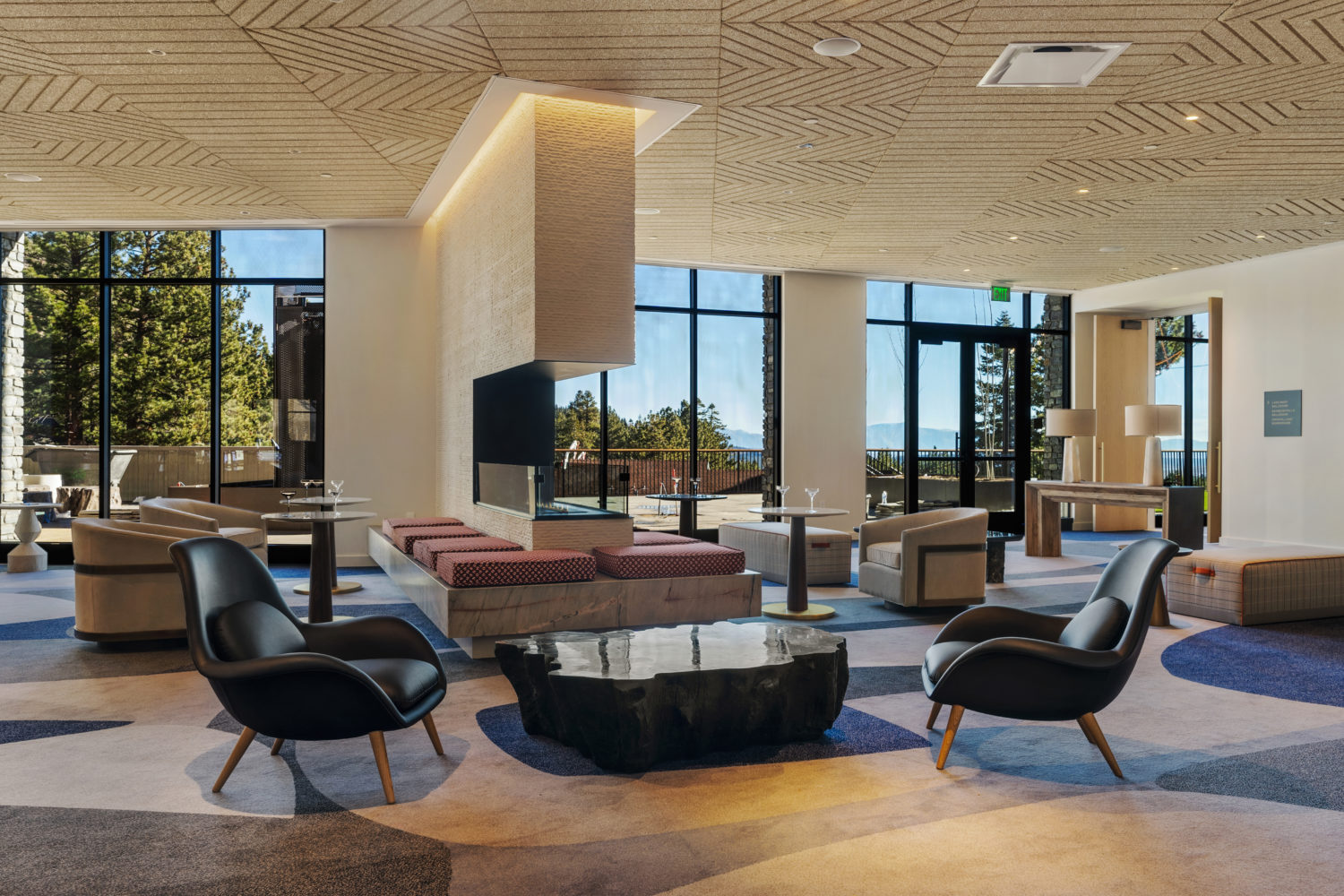
The hotel is an elegant lesson in modern design and carbon neutrality that blends in with the surrounding environment, drawn up from a blank sheet of paper, the whole hotel is electric, with a view to renewable energy being the mainstay of the California grid in the years to come. Plastic bags and plastic bottles are banned. Filtered water is available in all rooms and water fountains are on every floor to refill your flask or bottle. Luxury is in the details, the mid-century décor, the high thread count bed linen, and soft furnishings, the rooms are spacious with space for all your luggage. The hotel succeeds in keeping services personable and relatable, but on a grand scale.
There are also 15 residences, which are part of the rental programme, as well as a private members-only ski and social club. To ease the aching limbs, there is an outdoor hot tub, a swimming pool, and fire pit. The “come as you are” hotel bar is a hive of congeniality and tales of the mountain at the end of the day. Live music performances can be heard. Children and canine friends are welcome, and facilities are included to accommodate them. There is also an Audi Experience programme that allows the guests to reserve electric cars from the hotel concierge.
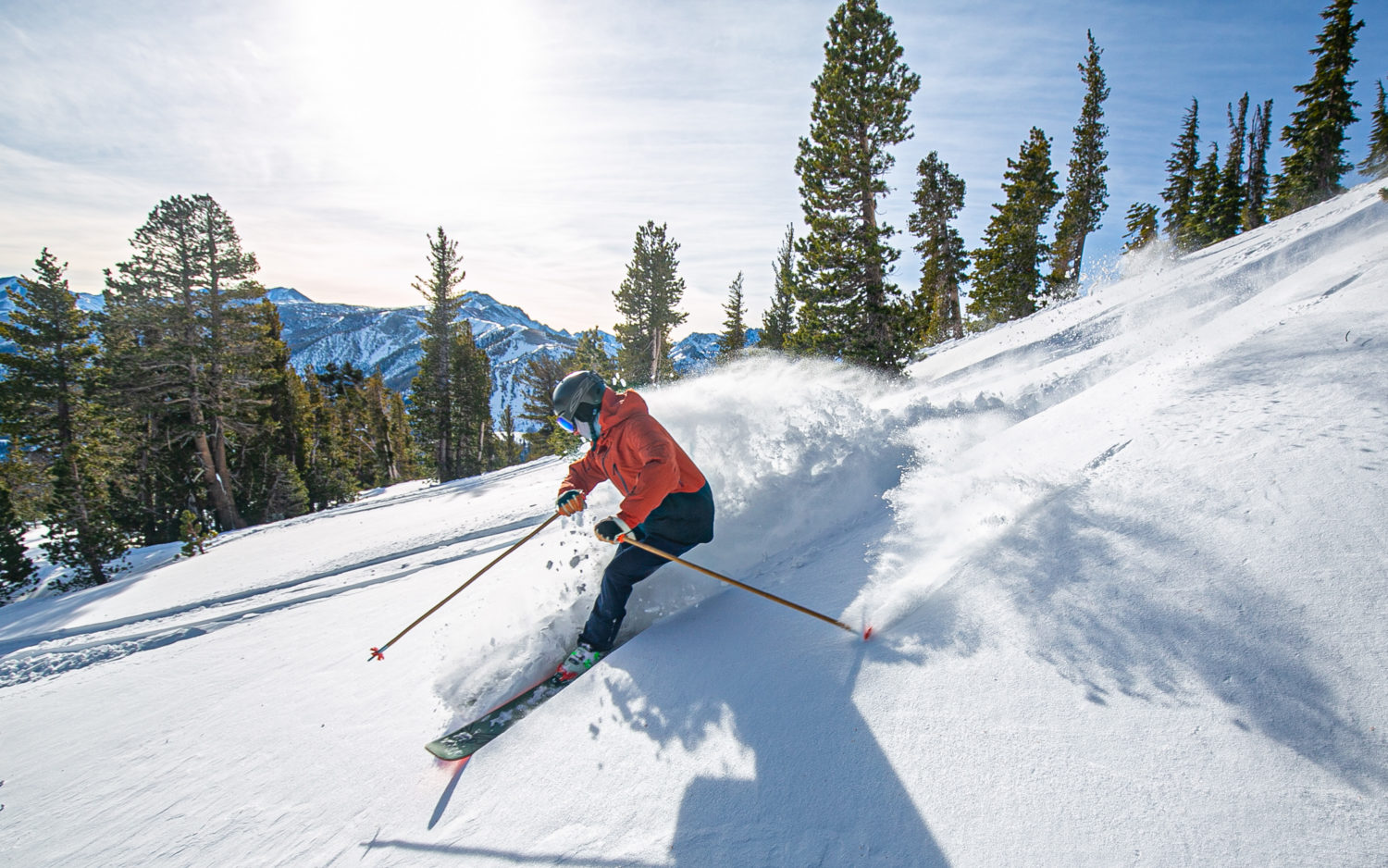
The place and the town have an embarrassment of riches from their location. Prevailing weather patterns, that blow in from the Pacific, contribute to reliable snow conditions on Mammoth Mountain. The annual snowfall is substantial, with the resort averaging around 33 feet per season, supporting a deep snowpack, especially at higher elevations, and the lifts remain open from November through to May or even June; some years extending, in exceptional conditions, into the summer months.
The mountain terrain is some of the most challenging in the world with a vertical drop around 3,100 feet, with a base elevation around 7,953 feet and a summit elevation near 11,053 feet above sea level. In terms of lift infrastructure, there are 28 lifts, including three gondolas, six-packs, quad chairs, and additional surface lifts that service the mountain and help reduce wait times.
The Limelight sits at the edge of the Mammoth Mountain Ski Resort, one of the largest ski areas in the United States, offering a substantial number of slopes and infrastructure for skiers and snowboarders. Even on busy days they are relatively free of congestion. Approximately 56 skiable miles if counted as run lengths spread across a wide range of terrain suited for all ability levels, providing options for learners as well as experienced skiers and riders. The Mammoth Resort provides instructors, ski schools, and any other information you might need to plan your days on the slopes.
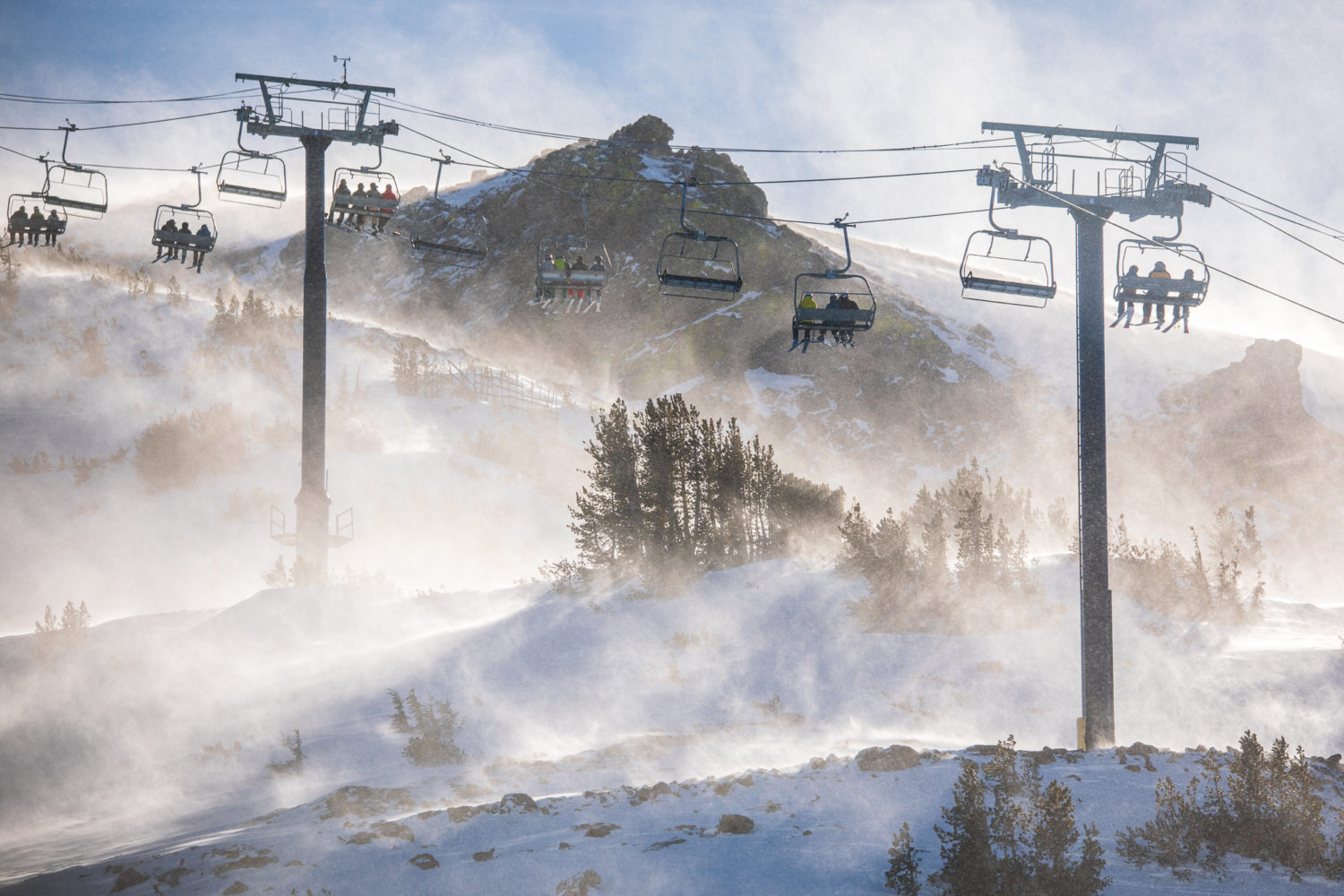
The Eagle Express – Chair 15 – at the foot of Limelight’s staircase will carry you and your gear to the mountain. The hotel has a “Ski Butler” room on hand (which also has another outlet at Mammoth Mountain Main Lodge), where you can be fitted with boots and equipment as required, where staff are on hand to help you, and you can store all your skis, snowboards, and boots for your time at the hotel.
The town was always a place that people moved to in search of a different way of life. Mammoth takes its name from mining and not the ice age woolly pachyderm. Four prospectors in 1878 founded the Mammoth Mining Company. A product and then victim of the gold rush, the same struggle that Jack London immortalised in the Call of the Wild among other stories, the town avoided becoming a “ghost” thanks mainly to tourism and the logging industry.
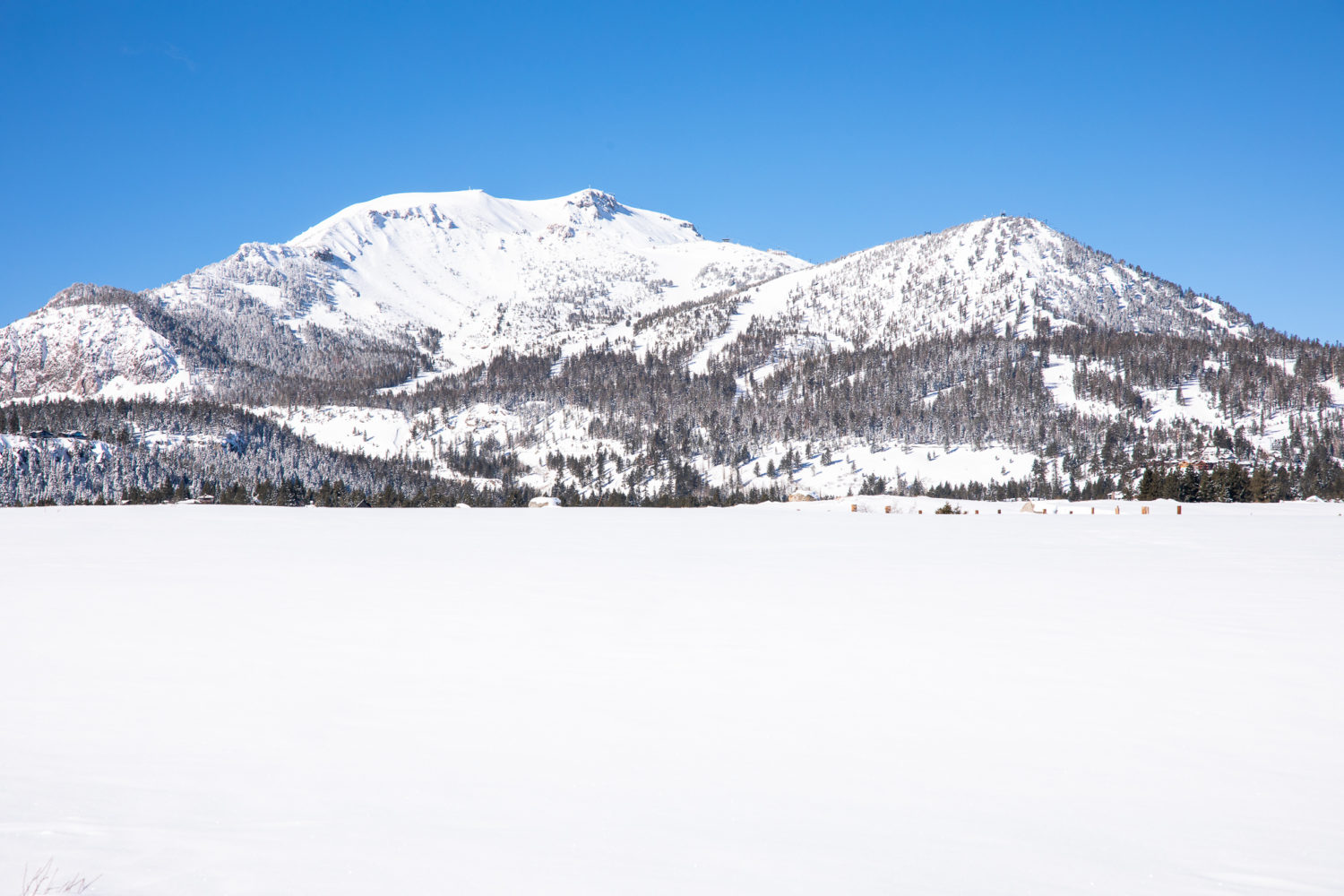
Mammoth Lakes calls itself the “Real Unreal”. If ever there was an “unreal McCoy” it was the founder of the ski area, Dave McCoy, who was in a sense the archetype for most of the current residents. Born in greater LA, in 1942 McCoy was a hydrographer for the Los Angeles Department of Water and Power, requiring him to ski daily to measure the snowpack, when he founded the Mammoth Mountain Ski Area. Around the same time frame, the new Hollywood movie industry was using the area as a location for motion pictures including (in 1935) the Call of the Wild starring Clark Gable.
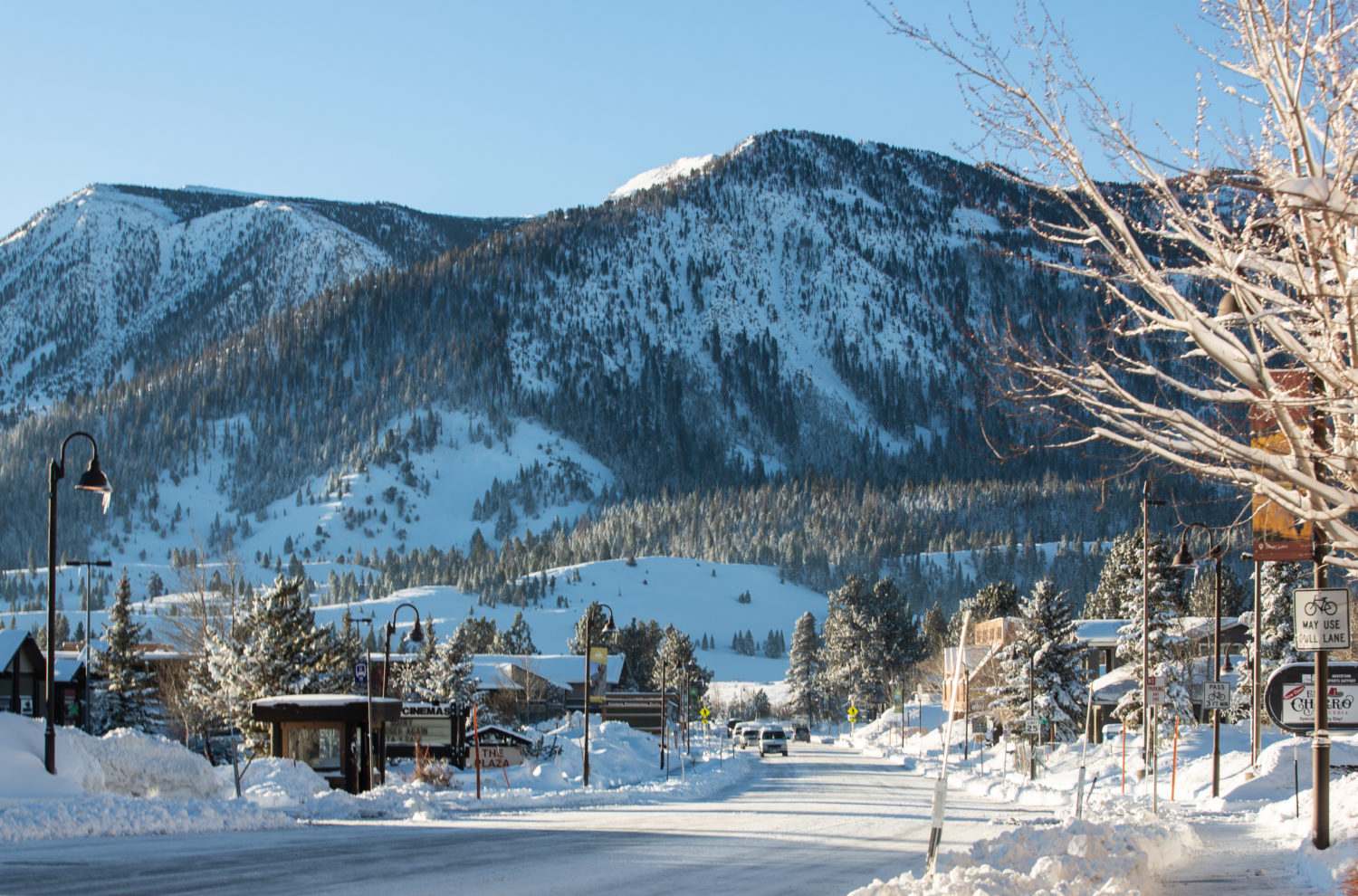
The town retains that frontier vibe to it. Small places to eat, log cabins essentially, but serving well prepared hearty food that are a world away from the retail chain ridden malls and the drive throughs that proliferate the highways in LA. Nothing encapsulates this more than The Yodler, at the mountain’s Main Station, a German guest house, moved brick by brick to California in the 1950s, and now serving up traditional restorative hot fare for the weary winters’ sports adventurer.
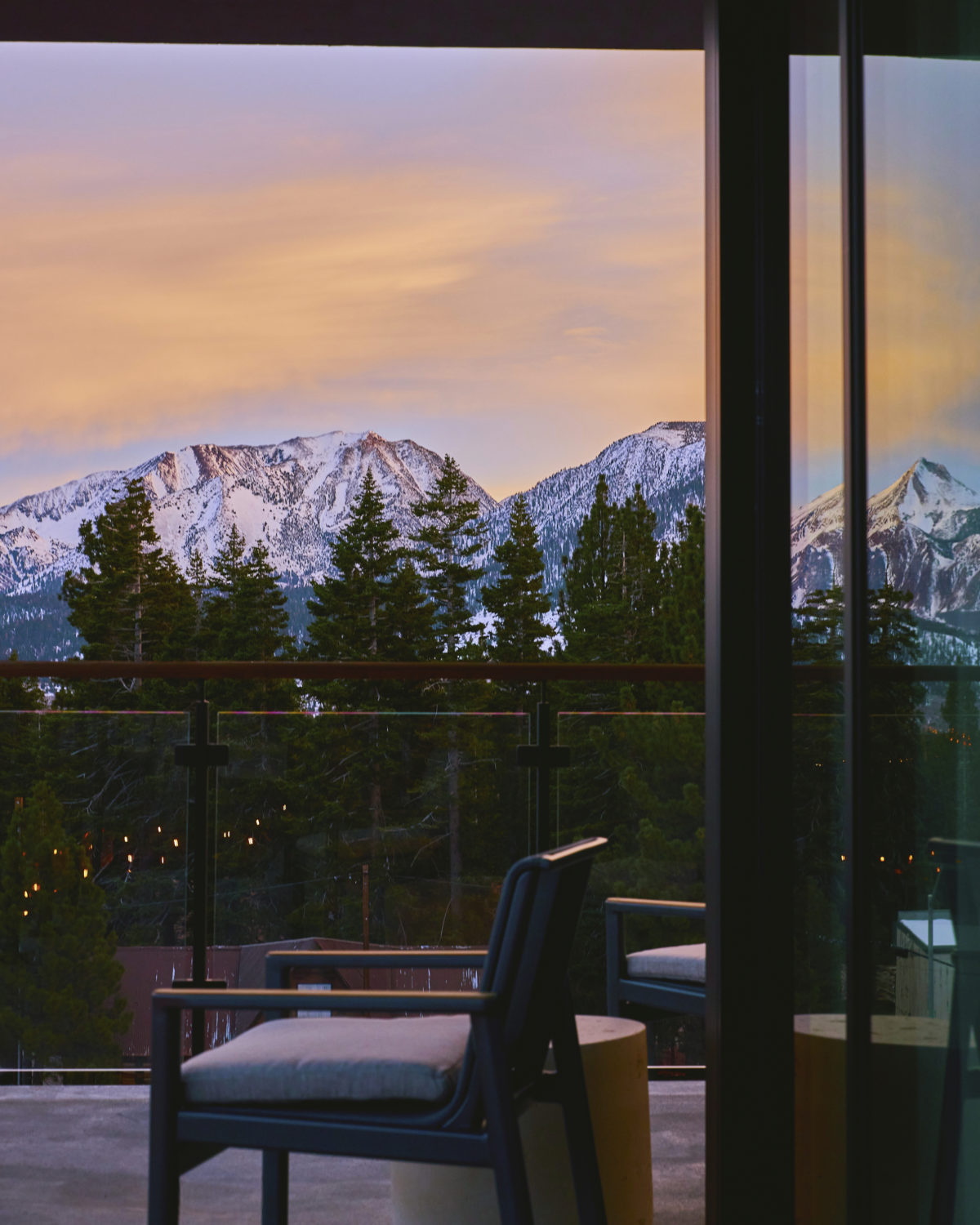
The town is community. A collection of people, with stories to tell, prospecting for the precious material in a different way of life. Often, restauranteurs in the town are people who have moved to the frontier land, fall in love with the place and before they know it, have stayed. Everyone has a story, including my snowmobile instructor, who had been a consultant in Los Angeles, before giving it all up to become a fireman and mountain guide.
Mammoth Lakes draws some of the biggest names within the state. The community centre is a microcosm of the whole. Sponsored by the Los Angeles Kings, major league ice hockey team, the building is both an ice rink, which of course includes hockey, but also other ice sports including curling. For anyone wanting a break from the slopes, there are other activities to help you enjoy the winter environment. At the edge of town, in the Inyo National Forest, is the Nordic Skiing and Snowshoe centre. For those still in need of an adrenaline rush, there is Woolly’s Adventure Summit where you will find a Mountain Coaster, Tube Park, zip lines and a large snow play area.
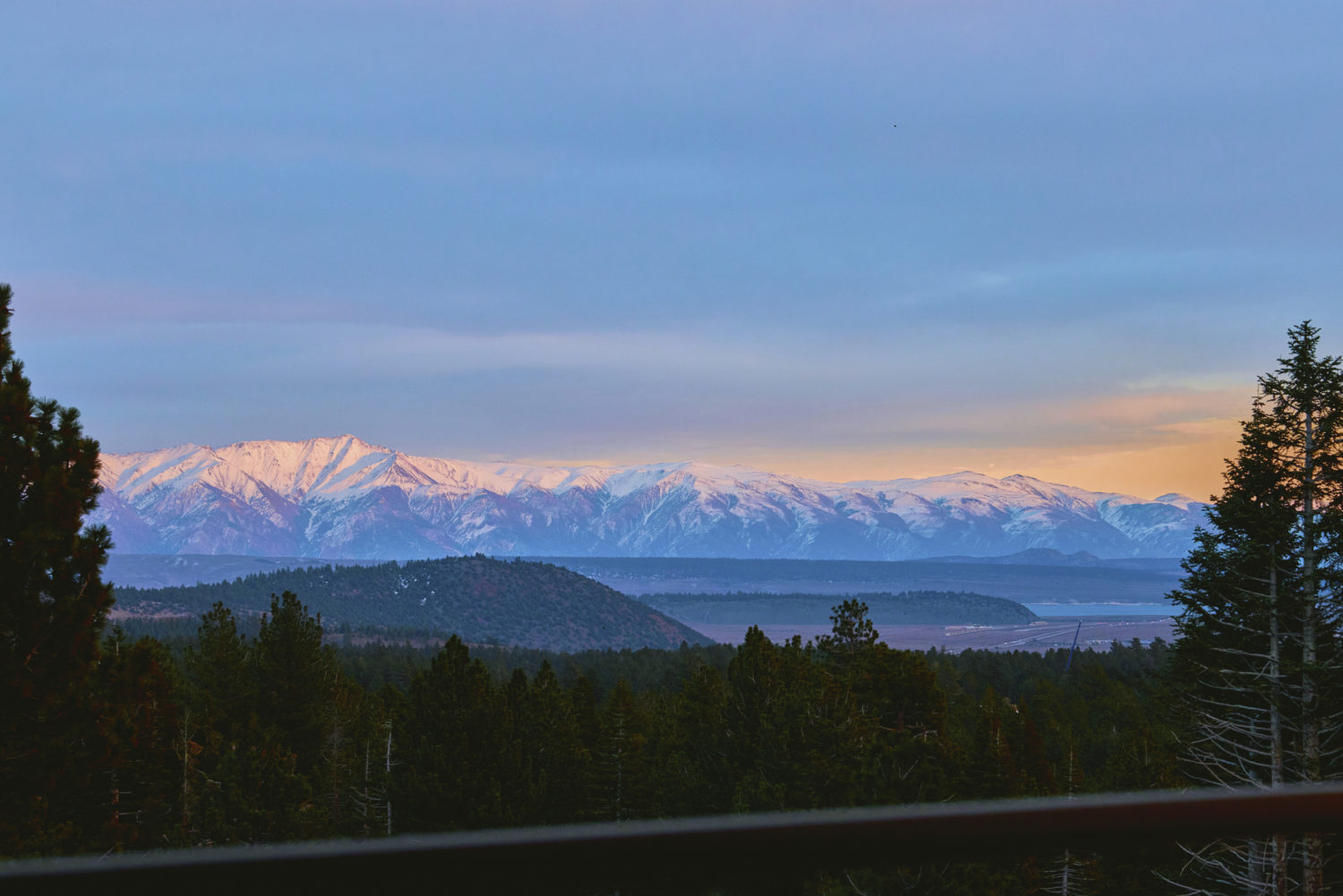
National and State Parks are on your doorstep. Arguably the most famous one, Yosemite, is difficult to get to in winter. The roads leading into the park from the east are closed, but the eastern ridge of the park borders the western edge of Mammoth.
In the summer it is an hour and a half by car through Tuolumne to the highest entrance of Yosemite, affording a bird’s eye view of the valley. But others, such as the surreal landscape of Mono Lake or Devils Postpile are open in winter and providing you are not attempting the trip in a snowstorm, are only 40 minutes’ drive. Mammoth Lakes truly is that pristine beautiful land, with the luxurious warmth of the Limelight mixed in, for those who embrace their own call of the wild(erness).
Mammoth Lakes visitmammoth.com
Limelight Mammoth limelighthotels.com/mammoth
Advance Airlines advancedairlines.com
Mammoth Mountain mammothresort.com