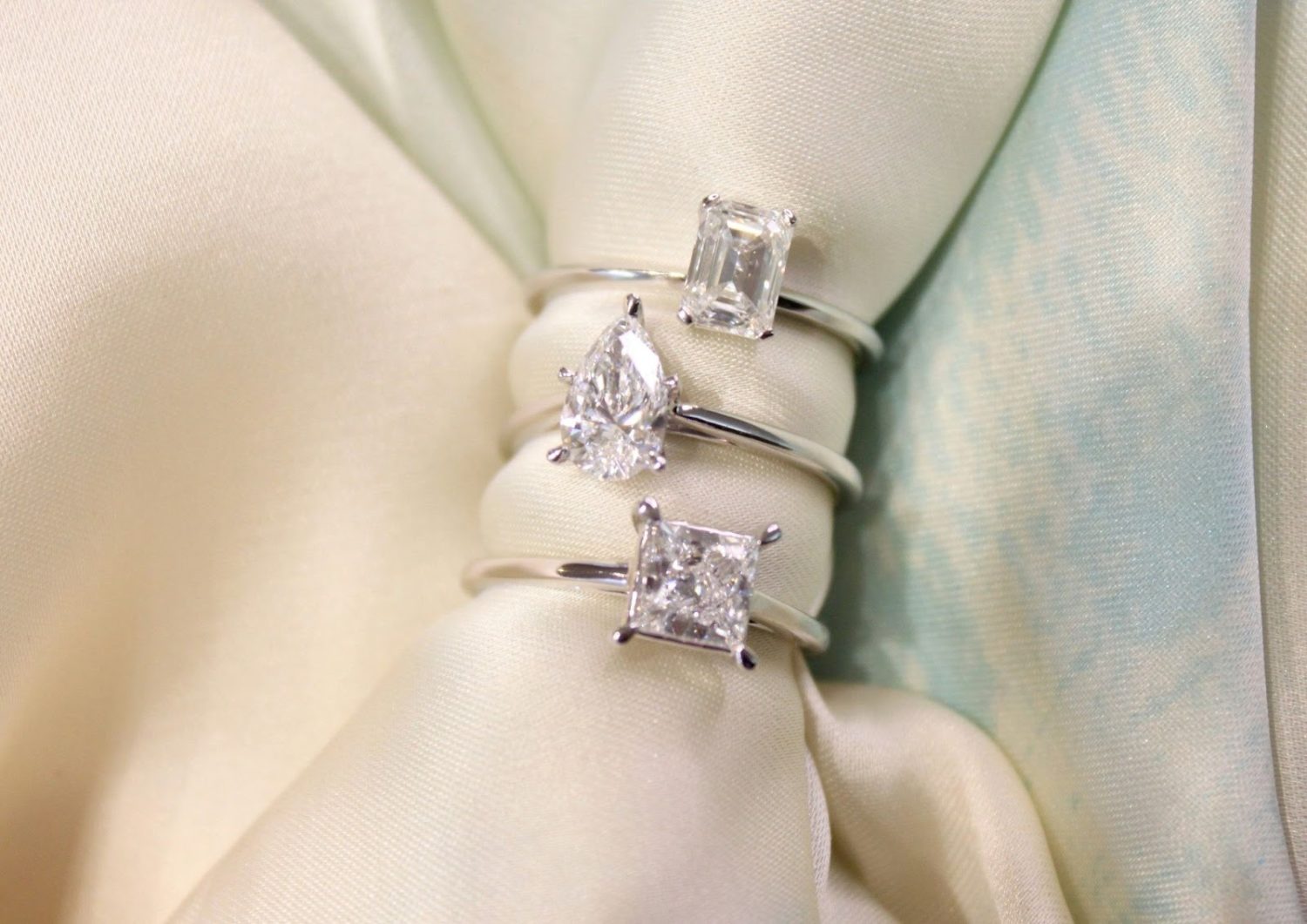
I watched a friend pay full retail for a one-carat round brilliant engagement ring. Two weeks later, I found the same GIA grade, metal, and finger size at a vetted estate jeweller for about 40 percent less.
The diamond looked identical, and the setting had been professionally reconditioned. The only difference was the receipt.
That gap is the entire case for pre-owned diamond jewellery in one story.
Diamonds don’t wear out under normal wear, and gold and platinum don’t expire. Once a piece leaves its first owner, the market reprices it closer to trade value.
With a few checks, you can buy confidently, avoid common traps, and keep consumer protections on your side.
What Counts as Pre-Owned Diamond Jewellery
Pre-owned describes ownership history, not condition or quality.
At one end, you’ll see modern “pre-loved” pieces only months old. At the other, you’ll find vintage pieces (roughly 20 to 99 years old) and antiques (100-plus years), where design and workmanship can matter as much as the diamond.
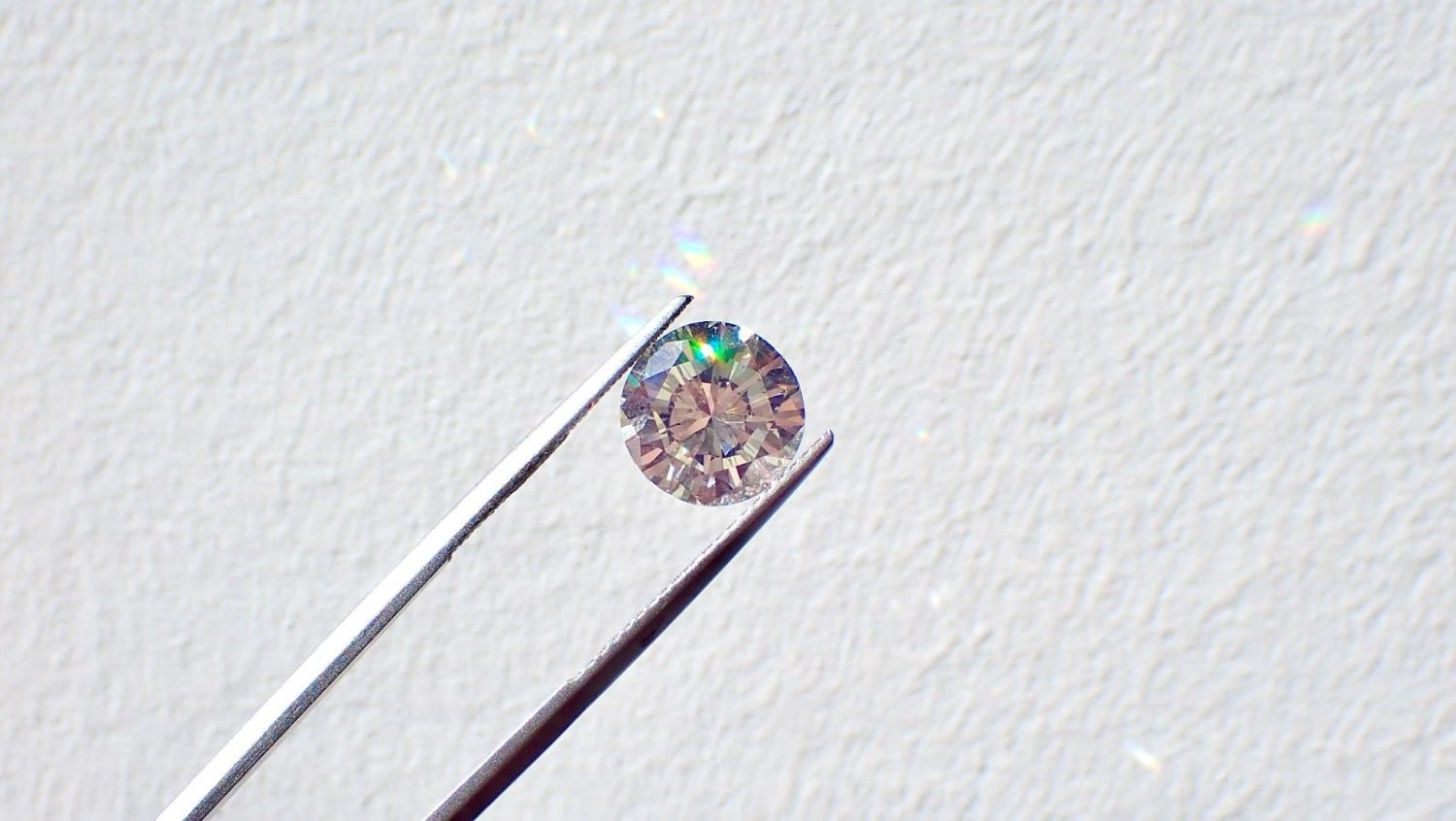
You’ll also encounter refurbished mountings, where a new setting holds an older stone, or estate settings that have been repaired and re-polished. Those hybrids can still be excellent buys, but they change what you should authenticate and how you should price it.
How Much You Can Save and Why
Second-hand prices fall because the first owner absorbed the steepest part of retail depreciation.
In practice, you pay for diamond quality, design, and condition, not “newness.” Resale markets tend to clear closer to trade pricing, so your budget can stretch into better cut quality or a larger carat weight.
A useful reference point from StoneAlgo’s resale analysis is that a diamond’s resale value can land around 50 percent of the lowest comparable retail price for an equivalent stone. Treat that as a sanity check, not a guarantee, because setting quality, brand, and demand still move the number.
Lab-grown diamonds add a separate wrinkle. New retail prices have dropped quickly, and second-hand values typically follow those drops. If resale matters to you, natural diamonds in pre-owned settings tend to behave more predictably.
Decode Hallmarks in Ninety Seconds
A hallmark is your fastest fraud screen for precious metal.
If a precious-metal item above the legal exemption weight is not hallmarked, treat it as a non-starter. In the UK, it’s unlawful to sell or describe qualifying items as gold, silver, platinum, or palladium without a recognised hallmark applied by an Assay Office.
Start with three compulsory marks. The sponsor’s mark identifies who submitted it for hallmarking. The fineness mark shows purity, such as 750 for 18ct gold or 950 for platinum. The Assay Office mark shows where it was tested.
The UK Assay Offices are London (leopard’s head), Birmingham (anchor), Sheffield (rose), and Edinburgh (castle). If you see “750” plus the leopard’s head, for example, you’re looking at 18ct gold hallmarked in London.
Weight exemptions to note: gold and palladium at 1.0 gram, platinum at 0.5 gram, and silver at 7.78 grams. Very thin chains or lightweight studs can fall below these thresholds, so a missing hallmark on a tiny item is not automatic proof of a problem. Confirm the weight, then decide.
Authenticate The Stone: Report, Inscription, Measurements
Trust the paper only after it matches the stone in front of you.
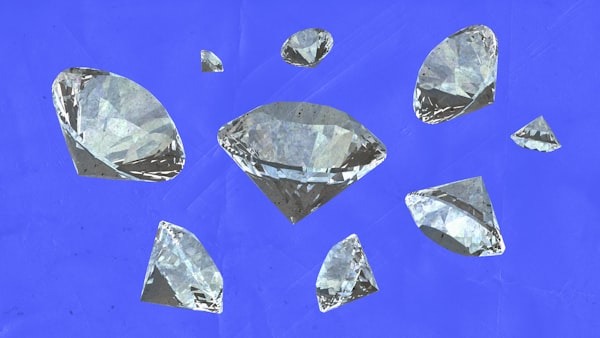
The 4Cs, Cut, Colour, Clarity, and Carat weight, are the common language of diamond pricing. A current grading report from a major lab, especially GIA, gives you the cleanest baseline for comparison shopping.
Use this sequence before you commit:
- Check the report number in GIA Report Check and confirm the 4Cs.
- Look for a laser inscription on the girdle under 10× magnification, and match it to the report number.
- Compare the millimetre measurements, table percentage, and depth percentage to the report.
- Use the inclusion plot as a map, and confirm key features under a loupe.
- Ask directly about treatments, such as fracture filling, coating, or HPHT (high pressure, high temperature) colour changes.
Be cautious with modern stones sold without a verifiable report, especially at higher prices. For antique pieces, reports are less common, so plan and budget for an independent assessment when the stone value justifies it.
Where to Shop: Retailers, Auctions, and Marketplaces
The best buying channel is the one that matches your risk tolerance and your need for aftercare.
Every venue trades price against certainty. A slightly higher ticket price can still be better value if it comes with solid documentation, a return window, and competent workshop support.
| Venue | Typical Fees | Authentication | Returns | Best For |
|---|---|---|---|---|
| Estate jewellers | Margin built into price | In-house checks plus reports when available | Commonly 14 days | Convenience and aftercare |
| Auction houses | Buyer’s premium, plus VAT on the premium | Catalogue descriptions and condition reports | Very limited | Rare and signed pieces |
| Peer-to-peer marketplaces | Platform fees vary | Buyer’s responsibility | Varies by platform | Bargain hunters with expertise |
| Pawnbrokers | Margin built into price | Basic testing | Limited | Fast transactions at lower prices |
If you want the simplicity of buying from a retailer with second-hand pricing, prioritise sellers that display clear hallmarks, disclose grading paperwork, photograph wear honestly, and offer a written returns policy.
That combination significantly reduces risk, especially when you can’t inspect the piece in person, and makes aftercare straightforward if you need resizing or repairs down the line.
S&R Jewellers stocks a curated selection of authenticated pre-owned pieces, each professionally inspected and refurbished by expert dealers, with heavily worn items excluded entirely to maintain collection quality. If you’re looking to explore luxury jewellery by brand, you can browse the full range and buy second hand diamond jewellery.”
Auction maths catches people out, so run it before you bid. If the hammer price is £2,000 and the buyer’s premium is 27 percent, that adds £540. VAT at 20 percent on that premium adds £108.
Before shipping, resizing, or insurance, your true cost is £2,648, which is 32.4 percent above the hammer price. Premiums and VAT treatment vary by house, so read the current schedule and ask how they calculate charges.
Pricing Playbook: Set a Ceiling and Negotiate
A good deal starts with a strict ceiling based on comparable stones and real-world costs.
Pull three to five current listings for the same shape, carat weight, cut grade, colour, and clarity. Then pressure-test the asking price against a resale benchmark, such as “around half of the lowest comparable retail,” so you don’t overpay for liquidity you won’t get back.
Build a condition budget. Typical workshop costs can include rhodium plating for white gold, prong retipping for worn claws, shank reinforcement for thinning bands, and clasp repairs for bracelets. Ask for close-up photos of prongs and the underside of the setting, because that’s where wear shows first.
Negotiate with specifics, not vibes. Reference the report number, the exact measurements, and your comparables, then propose a clean trade, such as a lower price in exchange for skipping resizing or a faster payment.
Legal and Financial Protections for Buyers
The gives you strong protections, but only if you structure the purchase to use them.
For online and other distance sales, you generally have 14 days from receipt to cancel under the Consumer Contracts Regulations 2013. Exceptions can apply to personalised items, including engraving, so confirm the seller’s policy before you authorise custom work.
Section 75 of the Consumer Credit Act can make your credit-card issuer jointly liable with the merchant for a single item priced from £100 to £30,000. If goods are misrepresented or not supplied, that shared liability can be a direct route to a refund.
Chargeback is a separate card-network scheme that can apply to debit cards too, but it’s not the same statutory right. For higher-value jewellery, paying at least part of the cost by credit card is usually the safer play.
You may also see invoices referencing the UK VAT Margin Scheme, where VAT is accounted for on the dealer’s margin rather than the full selling price. That’s common for eligible second-hand goods, and it doesn’t reduce your consumer rights.
Your 10-Step Shopping Checklist
Run this list every time, even when the listing looks “obviously legitimate.”
- Set a total budget that includes fees, shipping, resizing, and valuation.
- Confirm the hallmark and identify the Assay Office symbol.
- Request the diamond grading report and verify it in GIA Report Check.
- Inspect the girdle inscription under 10× magnification, if present.
- Compare measurements, table, and depth to the report.
- Check prongs, shank thickness, clasp tension, and side-stone security.
- Price in all venue fees, including buyer’s premium and VAT where applicable.
- Pay by credit card when possible to keep Section 75 available.
- Use insured shipping with tracking and a signature requirement.
- Get an independent valuation for insurance, ideally from a qualified valuer or gemmologist.
Frequently Asked Questions
These answers cover the situations that trip up first-time second-hand buyers.
Do I need a GIA report for vintage pieces?
Not always. Many vintage and antique diamonds were sold long before modern labs became standard.
If the piece lacks a report, budget for an independent assessment by a qualified gemmologist, especially for higher-value stones. A lab report can also simplify insurance and make future resale easier, because it standardises the description.
Can I return auction purchases?
Usually not. Most auction sales are final, and the main remedy is limited to cases where the item is materially different from the catalogue description.
Read the conditions of sale before you bid, request a condition report, and assume you’ll own it once the hammer falls. If you need a no-questions return window, a retail seller is the better fit.
What is a fair price for second-hand lab-grown diamonds?
Price them against current new lab-grown listings, not against natural diamonds.
Lab-grown diamonds tend to depreciate faster because production costs and new retail prices keep moving down. A second-hand lab-grown piece can still be a smart buy if you love the design and you’re purchasing for wear, not for predictable resale value.