In an industry long associated with transformation, Dr Marwa Ali is quietly redefining the narrative. Known for her refined, regenerative approach to aesthetics, she champions a philosophy rooted in preservation over alteration where subtlety, structure, and long-term skin health take precedence over quick fixes.
With a growing focus on treatments that support both physical appearance and overall wellbeing, her work sits at the intersection of beauty and science. The result is a more considered, intelligent approach to ageing one that prioritises looking like yourself, only better.
Here, she breaks down the foundations of modern aesthetics, from where to begin to why the future of the industry lies in prevention, not correction.

If someone is completely new and wanted to start subtly, what would you recommend as a first step?
The first step is always a consultation. Every treatment plan should be tailored to the individual, and understanding the face – its structure, movement, and proportions – is far more important than rushing into treatment.
For most people, beginning conservatively works best. Subtle neuromodulators to relax specific areas, or very light structural support where early volume loss is appearing, can make a meaningful difference without feeling obvious.
The aim is not to change the face, but to gently refine and preserve it. Starting slowly allows you to see how your features respond and to build gradually over time.
Is it ever too early to begin treatments, or is age the wrong way to think about it?
Under the age of 18 is generally too early for aesthetic treatments unless there is a clear medical indication. Some medical procedures — such as treatments for chronic migraines or hyperhidrosis — can be life-changing, but these are approached with careful medical oversight.
Elective aesthetic treatments are different. These should be reserved for adults, as the face continues to develop through adolescence.
Age alone, however, is not the most useful measure. It is better to think in terms of indication rather than number. The right time is when there is a clear reason, realistic expectations, and a considered plan in place. My priority is always patient wellbeing.
Before considering injectables, what foundations should someone focus on first?
Skin quality is always the starting point. Consistent sun protection, appropriate skincare, and treatments that support collagen will have a greater long-term impact than injectables alone. Healthy skin reflects light better, heals better, and ultimately ages better.
Lifestyle is equally important. Sleep, nutrition, and stress levels all directly influence how the skin looks and behaves.
It is also important to understand your own anatomy and movement. Not every line needs to be treated, some are structural, some are muscular, and some are simply part of natural expression.
Injectables should refine a strong foundation, not replace one. When the basics are in place, results are more subtle, more effective, and more sustainable.
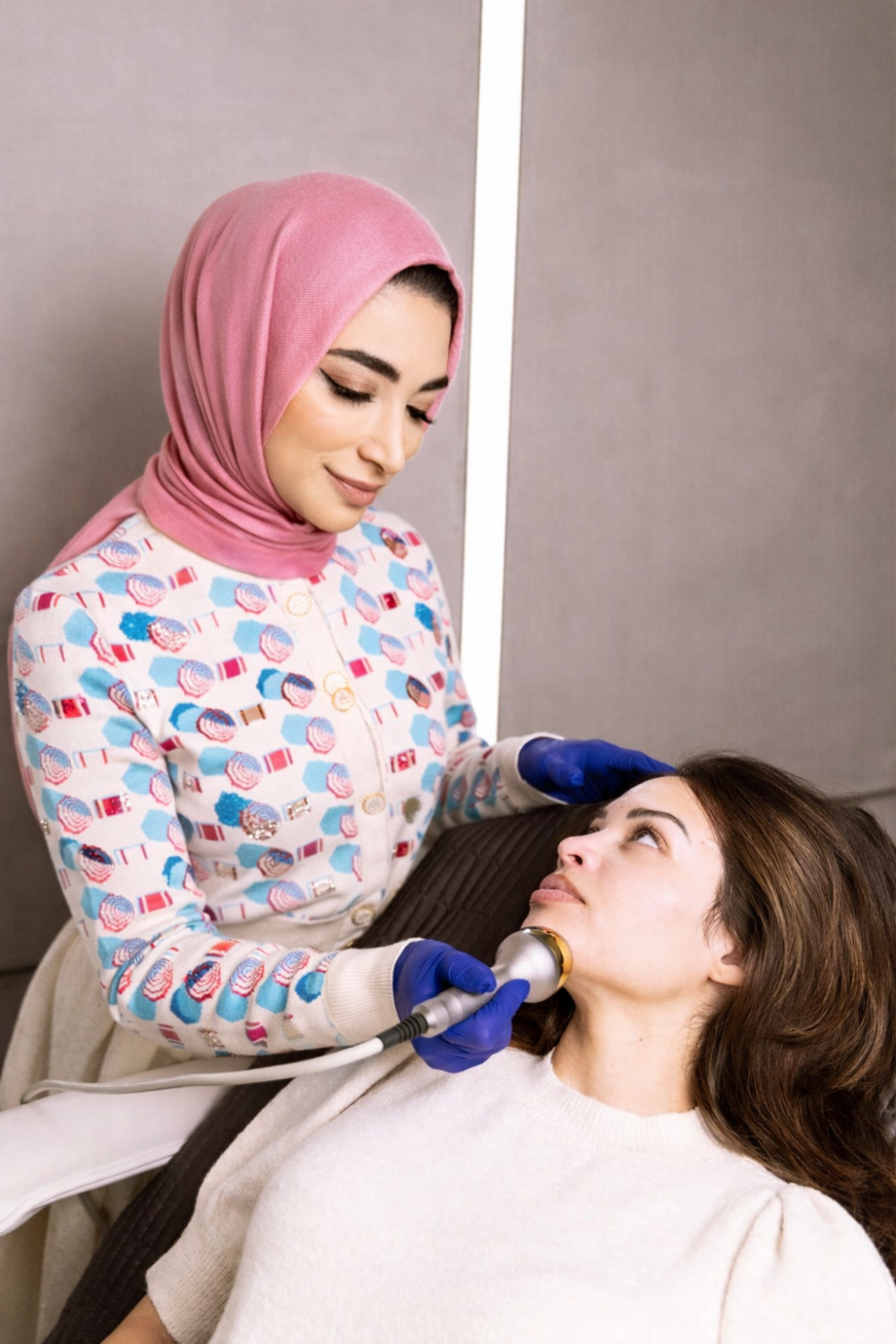
You’re known for natural-looking results. What does “subtle” mean in practice?
Subtle means no one can quite put their finger on it. It is not a new face or a dramatic change. It is restraint.
The face still moves. You still laugh properly. You still look like yourself — just more rested, balanced, and refined.
And like most worthwhile things, it is built slowly over time.
If someone had a modest budget but wanted noticeable improvement, where would you suggest they invest first?
I would focus on the area that gives the greatest structural return. It is less about doing more, and more about choosing wisely.
Every face is different, so this always comes down to individual assessment. The goal is noticeable improvement, not obvious intervention.
In what order would you prioritise treatments if someone wanted to gradually improve their appearance over time?
I think in layers.
First, skin quality – consistent skincare, sun protection, and treatments that support collagen. This creates a fresher baseline.
Second, muscle balance. If strong muscle activity is creating tension or deepening lines, carefully softening this can make the face appear more rested without altering structure.
Third, structural support. Only once movement is balanced do I consider restoring volume where it has genuinely diminished. This is about subtle support, not expansion – small amounts, placed precisely over time.
Skin, movement, structure, refinement – a gradual, step-by-step approach always produces the most natural results.
What role does skin health play compared to injectables or structural treatments?
Skin health is the foundation. Injectables and structural treatments sit on top of it.
You can restore volume and soften movement, but if the skin is dull, thin, or dehydrated, the overall result will never look as refined as it could. Skin is what reflects light — it is what people notice first.
In many cases, improving skin quality alone can create a significant shift. And when injectables are layered onto healthy skin, the results are softer, more believable, and longer-lasting.
Skin health is not an optional extra. It is the baseline that everything else depends on.

Do you think the future of aesthetics is moving more towards regenerative and preventative approaches?
Yes, absolutely. Aesthetics is shifting away from correction and towards preservation.
Patients are more informed and less interested in dramatic change. They want longevity. They want to age well, not look different.
The future of aesthetics is thoughtful, preventative, and rooted in long-term skin and structural health
To book with Dr Marwa email
Dr Marwa Ali at The Wellness Clinic, Fourth Floor, Harrods,
87-135 Brompton Road, Knightsbridge, London SW1X 7XL