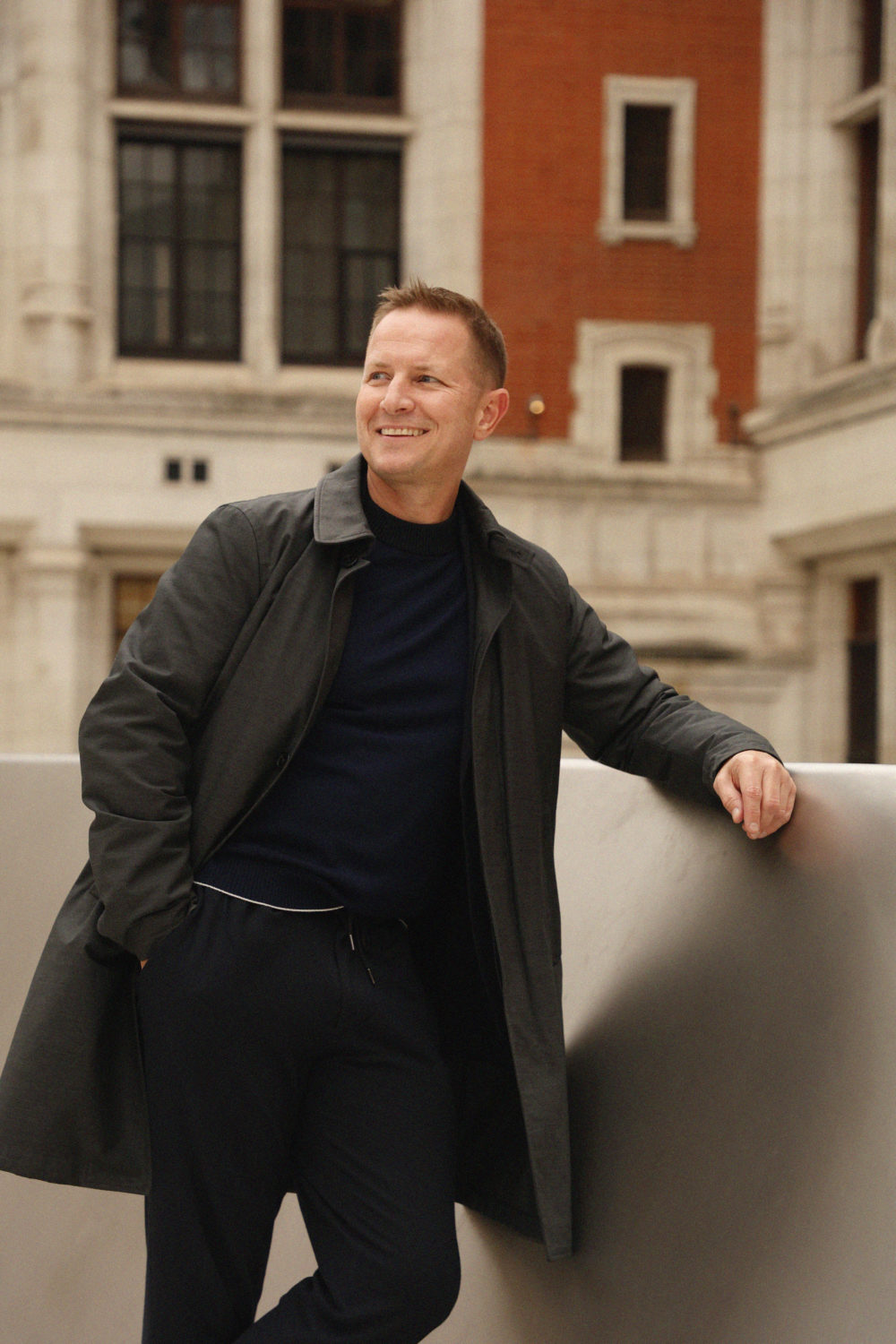
Known for his refined approach and quietly transformative results, Dr Paul Banwell has become one of London’s most respected names in aesthetic surgery. Yet behind the technical precision and world-class reputation lies a philosophy that feels increasingly rare within modern cosmetic medicine: the belief that aesthetic intervention should never erase identity, but preserve it.
At a time when beauty standards are shaped by filters, fleeting trends and the pursuit of digital perfection, Dr Banwell’s approach is rooted in restraint, integrity and a deep understanding of human individuality. His work exists at the intersection of science and artistry, but for him, aesthetic surgery is not about reinvention. It is about continuity.
“I see it primarily as preservation, with elements of evolution,” he explains. “The goal is not to create a new identity, but to respect and refine what already exists, to restore harmony where it may have been lost through time, lifestyle or life events.”
That distinction is central to his philosophy. While much of the industry has historically focused on dramatic transformation, the modern patient increasingly seeks something more subtle: refinement without obvious intervention. Dr Banwell believes the most sophisticated outcomes are those that allow a person to look as they feel, rather than appearing altered.

“There is also a psychological dimension to this,” he says. “When approached correctly, aesthetic intervention can reaffirm a sense of self rather than disrupt it. It becomes a quiet alignment between inner confidence and outward appearance.”
It is perhaps this understanding of emotional nuance that has positioned him as a trusted figure among high-profile and high-performing individuals, many of whom operate in intensely visible environments. For these patients, the conversation around aesthetics is rarely about chasing perfection. Instead, it centres on longevity, vitality and discretion.
“There is often a heightened awareness of image, but also a desire for subtlety,” he explains. “The conversation tends to focus on how one can maintain confidence and vitality without it being overtly apparent that anything has been done.”
This shift reflects a broader evolution happening within aesthetic medicine itself. The era of conspicuous transformation is fading, replaced by a more intelligent and understated approach to beauty. In Dr Banwell’s eyes, modern luxury is no longer defined by excess, but by precision, personalisation and invisibility.
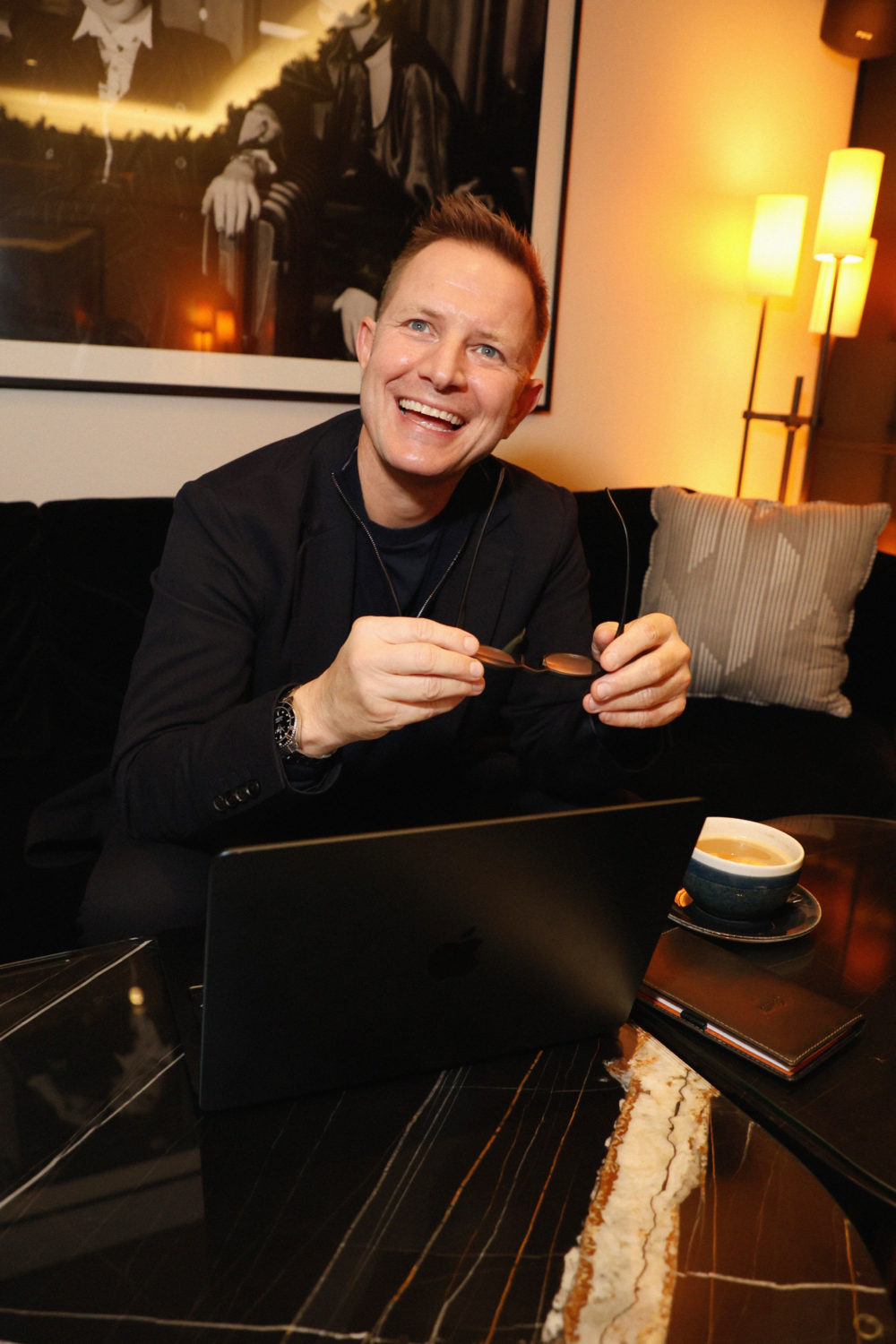
“Modern luxury is subtle, bespoke and evidence-based,” he says. “It is not about dramatic change, but about refinement that is almost imperceptible to others, yet deeply meaningful to the individual.”
That philosophy extends beyond the surgical outcome itself and into every aspect of the patient experience. Privacy, discretion and trust have become essential pillars of luxury medicine, particularly for those navigating public-facing careers and demanding lifestyles.
Yet perhaps most striking is Dr Banwell’s resistance to the artificial ideals perpetuated online. In a culture dominated by filtered faces and algorithmic beauty standards, he remains deeply committed to protecting what makes people uniquely human.
“Human beauty lies in nuance,” he explains. “In asymmetry, movement and individuality — and those are the qualities I aim to preserve.”
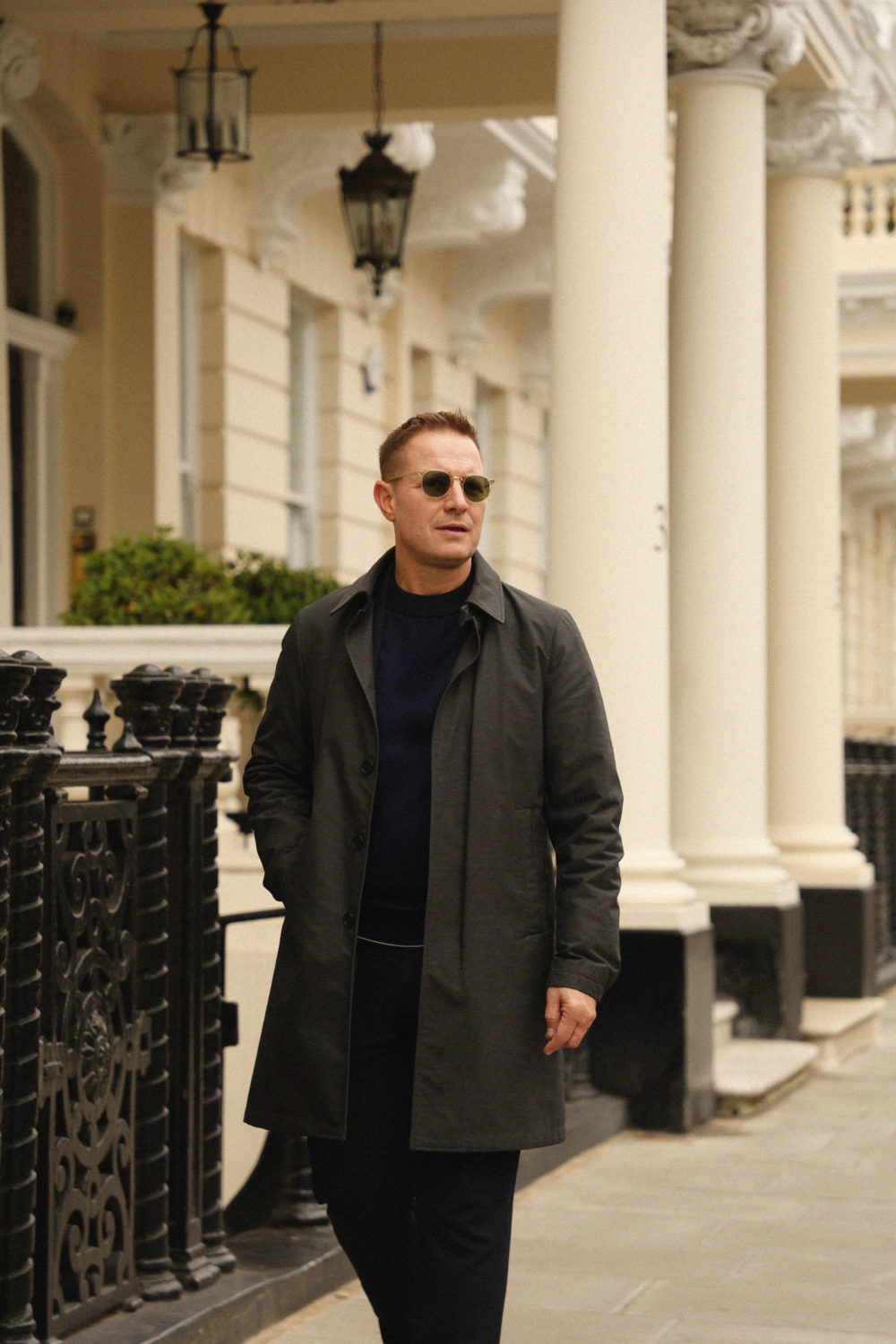
For Dr Banwell, technical skill alone is not enough. True expertise lies equally in judgement and restraint. Knowing when not to intervene has become just as important as knowing how.
“I am very clear with patients about what is achievable and, importantly, what is appropriate,” he says. “Surgical precision must be matched with restraint.”
Rather than encouraging patients to pursue temporary trends, he advocates for a more timeless understanding of beauty grounded in anatomy, proportion and long-term thinking.
“Trends fade quickly, but anatomy and proportion are enduring,” he says. “Those principles should guide any aesthetic decision.”
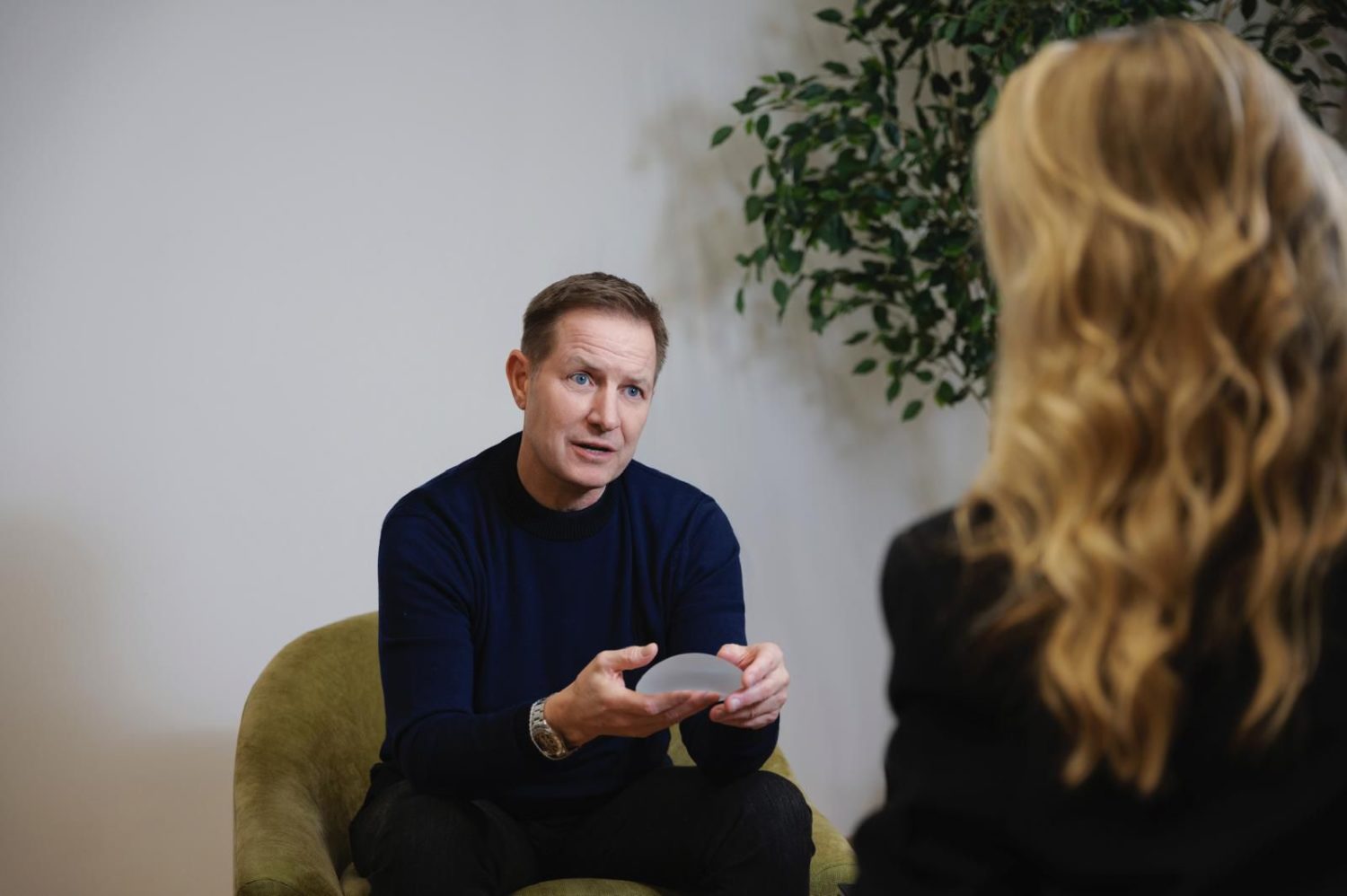
This future-focused mindset is also shaping the next chapter of aesthetic medicine itself. Increasingly, Dr Banwell sees the industry moving towards regenerative techniques and tissue preservation, approaches designed to work with the body rather than against it.
“There is a growing appreciation for regenerative techniques where the focus is on preservation and longevity,” he explains. “It represents a more intelligent and future-facing approach to aesthetic medicine.”
Beyond his clinical work, Dr Banwell’s influence continues to shape the wider field through mentorship, innovation and a commitment to raising standards within the industry. But when asked what he hopes his legacy will ultimately be, his answer returns not to status or recognition, but to ethics.
“Legacy is defined by integrity,” he says. “Technical excellence is fundamental, but it is the judgement behind each decision that truly matters.”
For him, success is not measured by dramatic before-and-after transformations, but by something far quieter and far more enduring: helping patients remain true to themselves.
“If patients feel I helped them remain aligned with who they are, that is ultimately the most meaningful measure of success.”
For more information: