Taiwan is an island of extraordinary contrasts. Jade mountains rise steeply from the earth, their peaks veiled in drifting cloud, while rivers cut through marble gorges and hot springs steam in hidden valleys. Along the east coast, the Pacific arrives in great silver-blue sweeps, meeting cliffs, beaches and fishing villages with a wild, elemental beauty.
Inland, tea plantations ripple across misty hillsides, forests hum with birdsong, and rice fields turn luminous beneath the changing light. Yet Taiwan’s greatest beauty is not found in the landscape alone, but in its warm and generous people. From artisans and farmers to musicians, winemakers, cooks and storytellers, the island’s communities offer the warmest welcome, inviting you to feel part of Taiwan.
Beyond the neon glow of Taipei and the steam of night-market kitchens and the hush of mountain teahouses, another Taiwan begins to reveal itself.
It rises in the blue-green folds of the Central Mountain Range, where mist clings to the forests at dawn. It moves along the east coast, where the Pacific crashes against black volcanic rock and fishing villages turn gold in the late afternoon sun. It gathers in song, in harvest rituals, in woven cloth, carved wood, millet wine and stories carried from one generation to the next. This is Taiwan’s living Austronesian culture: ancient, resilient and vividly present.
A decade on from formally recognising its indigenous peoples, Taiwan is marking the anniversary with a season of harvest festivals, music gatherings and community-led experiences now open to visitors. Together, they invite travellers to move beyond the island’s familiar urban and culinary pleasures and enter a deeper, more atmospheric cultural landscape.
Taiwan is home to 16 officially recognised indigenous peoples, part of the wider Austronesian cultural family and the island’s earliest inhabitants. Their languages, ceremonies, foodways, craft traditions and music offer a powerful lens through which to understand Taiwan not simply as a destination, but as a place of memory, movement and belonging.
“Taiwan is not only a place to visit; it is a place to feel, taste and understand. Our mountains, coastlines, indigenous cultures, food, tea and creative communities tell a story that is both ancient and contemporary,” says Linda Lin, Director of the Taiwan Tourism Administration London Office.
A Season of Ceremony and Song
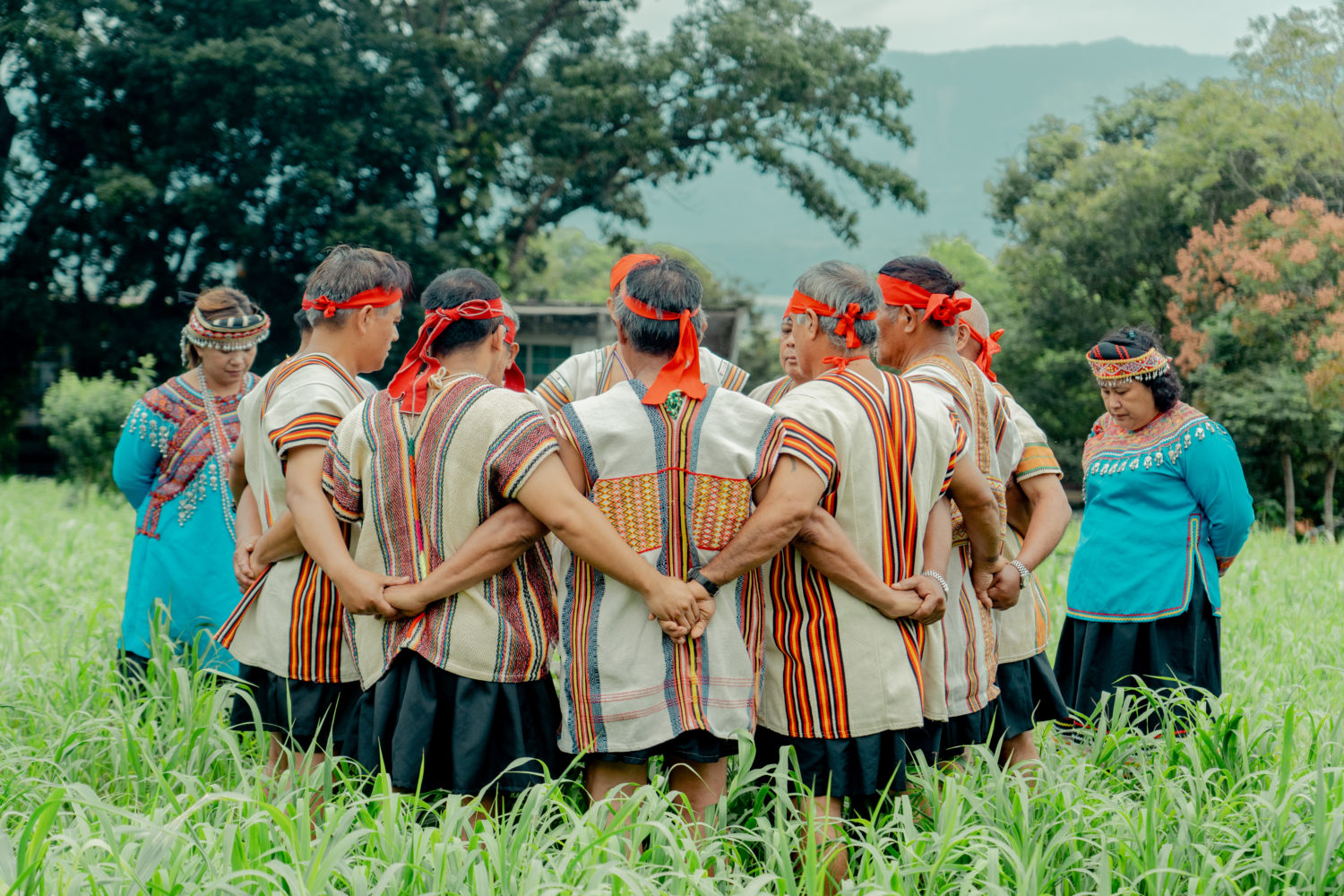
Across summer and autumn, Taiwan’s indigenous calendar comes alive. In villages framed by mountains, coastlines and rice fields, communities gather for ceremonies that have long marked the rhythm of the year. There is music and dancing, food shared around tables, handmade crafts, ritual dress, the beat of drums, the call of voices, the feeling of a culture not preserved behind glass, but lived in real time.
For visitors, these festivals offer rare access to Taiwan’s indigenous traditions. Yet their power lies in the fact that they are not staged spectacles. They are living ceremonies, rooted in identity, ancestry and place.
Pacific Austronesian Joint Harvest Festival
16–19 July 2026, Hualien
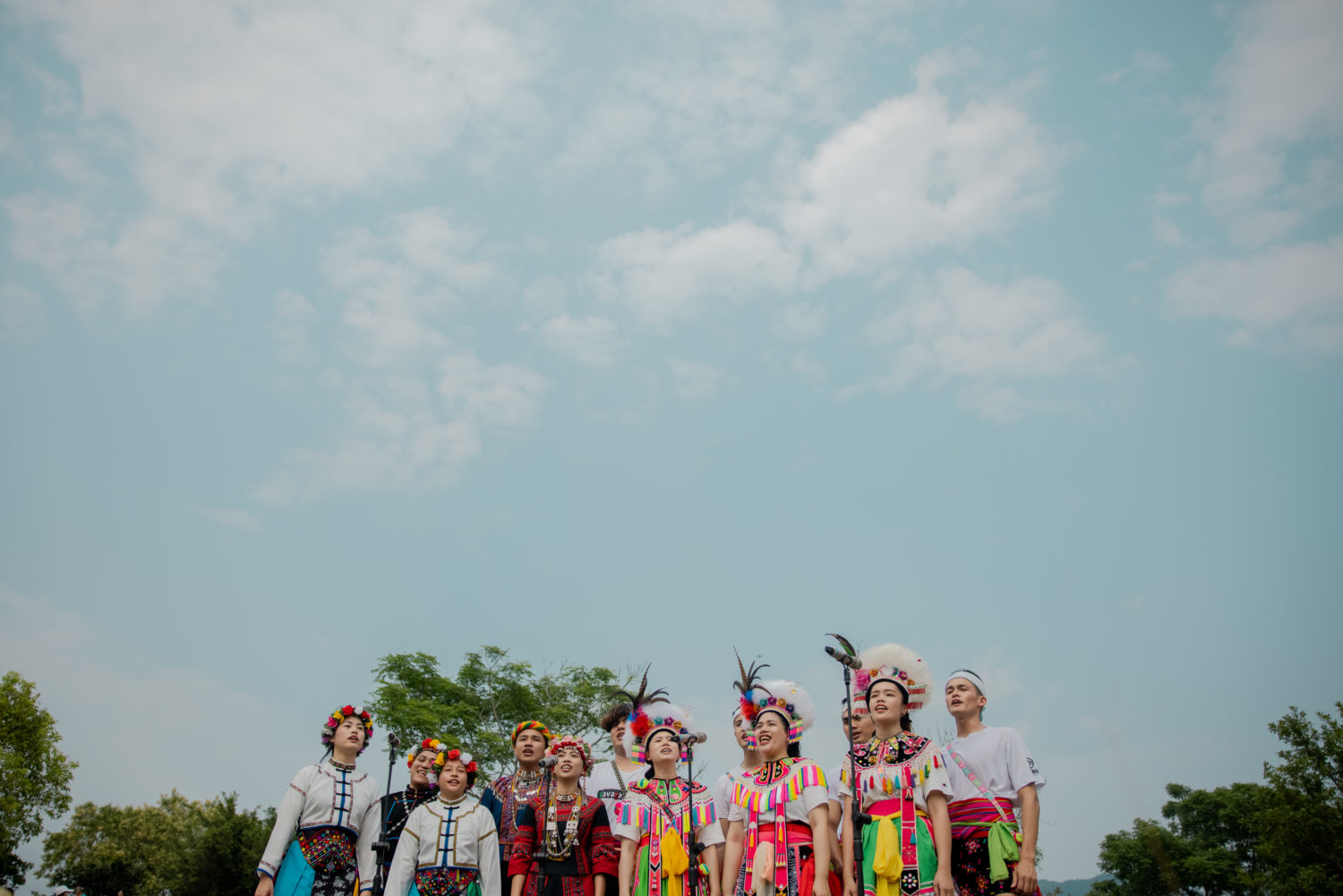
In Hualien, where the mountains fall dramatically towards the Pacific, the Pacific Austronesian Joint Harvest Festival brings together indigenous communities from across the region for four days of celebration.
The festival is rich with music, dance, indigenous food, handicrafts and tribal mini-tours, offering a vivid introduction to the songs, ceremonial rituals and creative traditions of multiple peoples in one gathering.
It is a festival of colour and movement, but also one of continuity. Here, performance becomes preservation, and celebration becomes a bridge between Taiwan’s indigenous communities and the wider Austronesian world.
Dulan Harvest Festival
15–19 July 2026, Taitung
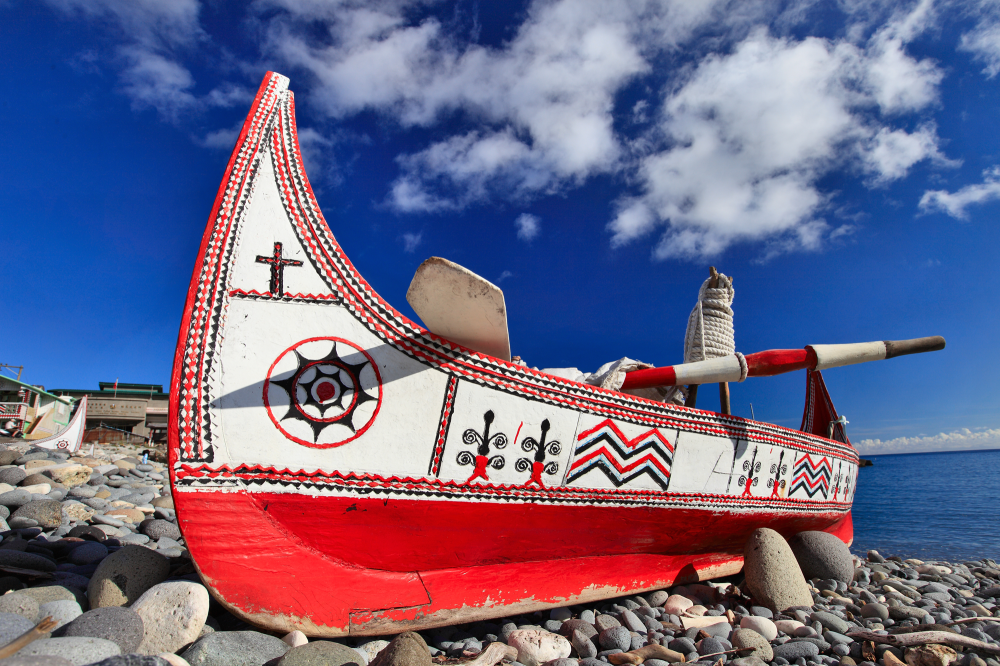
On Taiwan’s east coast, in the creative coastal community of Dulan, the Dulan Harvest Festival is one of the most important ceremonies of the Amis calendar.
For several days, the village fills with song, dance, ritual and communal celebration. The sea is close, the mountains rise behind, and the atmosphere is charged with the feeling of a place gathering itself around memory and gratitude.
For travellers, Dulan offers one of the most evocative encounters with Taiwan’s indigenous life: intimate, coastal, musical and deeply rooted in Amis tradition.
Taiwan PASIWALI Festival
November 2026, Taitung
In the Amis language, pasiwali means “going to the east”: towards the rising sun, towards the island homeland of the Austronesian world.
Held annually in Taitung, the Taiwan PASIWALI Festival brings together indigenous musicians from Taiwan and overseas for a celebration of sound, place and cultural connection. Across performances, open-air markets and visits to tribal buildings, the festival becomes a meeting point between local heritage and global indigenous creativity.
It is one of the most accessible ways for international visitors to experience Taiwan’s living indigenous culture; a festival where music becomes a map, leading guests eastward into the island’s deeper story.
East Longitudinal Valley Festival
August & November 2026, East Coast
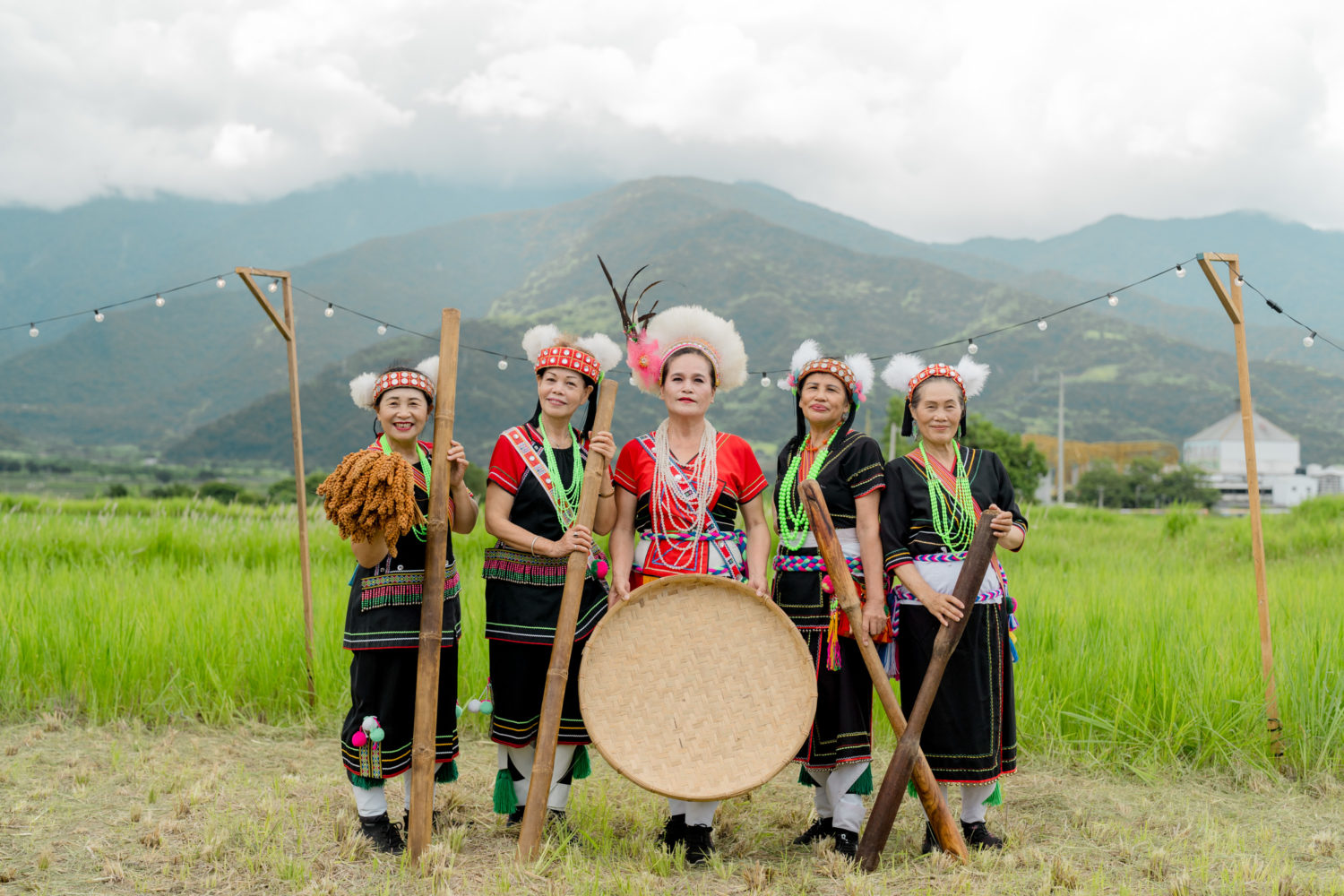
The East Longitudinal Valley is one of Taiwan’s most cinematic landscapes: a long, fertile corridor held between mountain ranges, where rice fields shimmer, hot springs steam and villages sit beneath vast skies.
Each year, the East Longitudinal Valley Festival celebrates the tribal cultures of this region through traditional cuisine, music and dance, handicraft workshops, camping experiences, small-farm produce, artisan markets and community gatherings.
It is a slower, more grounded kind of travel experience, shaped by landscape and season. Visitors are invited to taste, listen, walk and stay awhile, discovering the relationship between indigenous culture, agriculture and the natural world.
Dulan Amis Music Festival
2027, Dulan, East Coast
Held every two years in the coastal village of Dulan, the Dulan Amis Music Festival celebrates the musical culture of one of Taiwan’s most vibrant indigenous creative communities.
Dulan has long been known as a hub of artistic life, where the rhythms of the coast meet a powerful sense of cultural identity. The festival brings together performances and community gatherings in an atmosphere shaped by generations of living tradition.
It is music not as entertainment alone, but as inheritance: something carried, renewed and shared beneath the open sky.
Journeys Into Tribal Taiwan
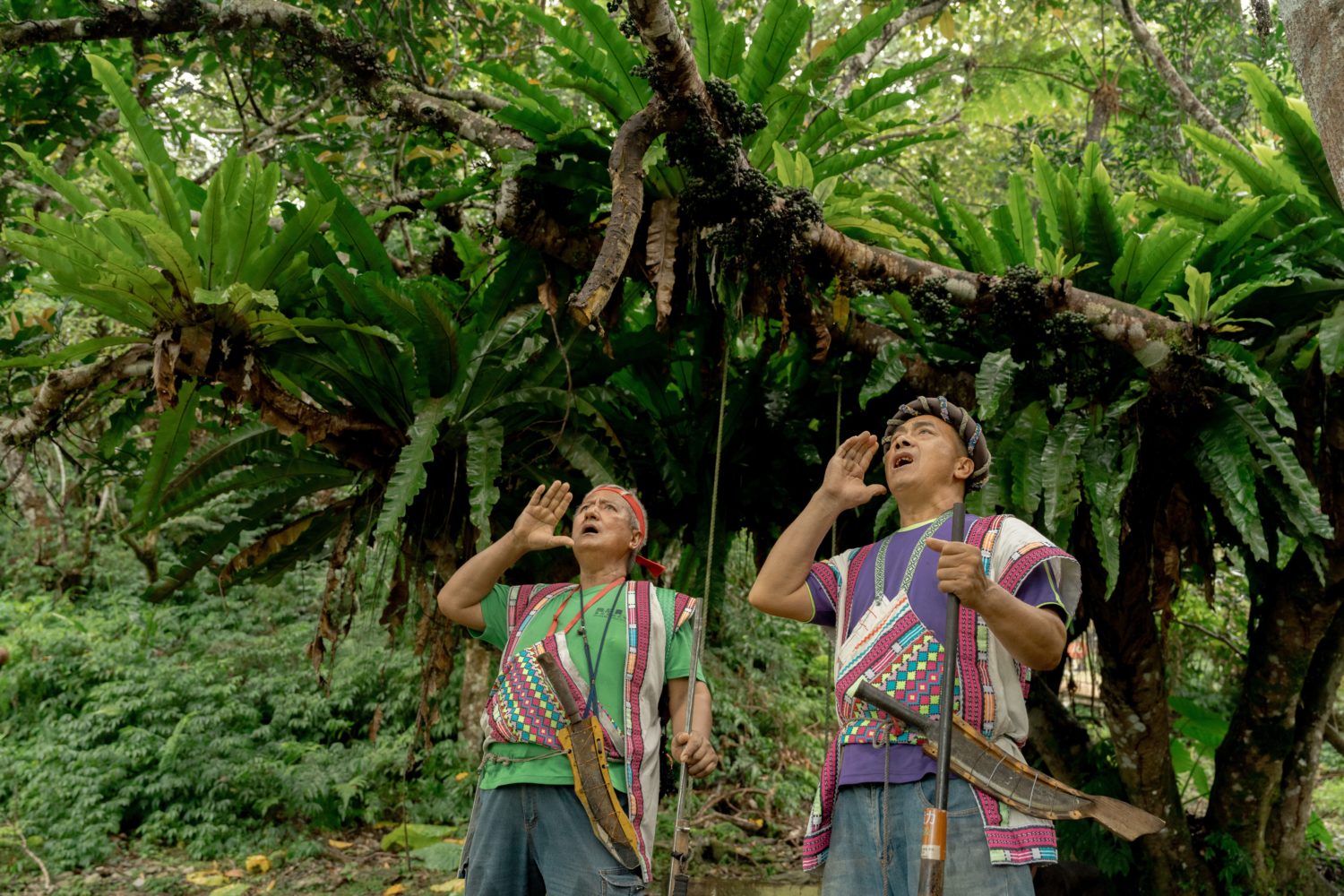
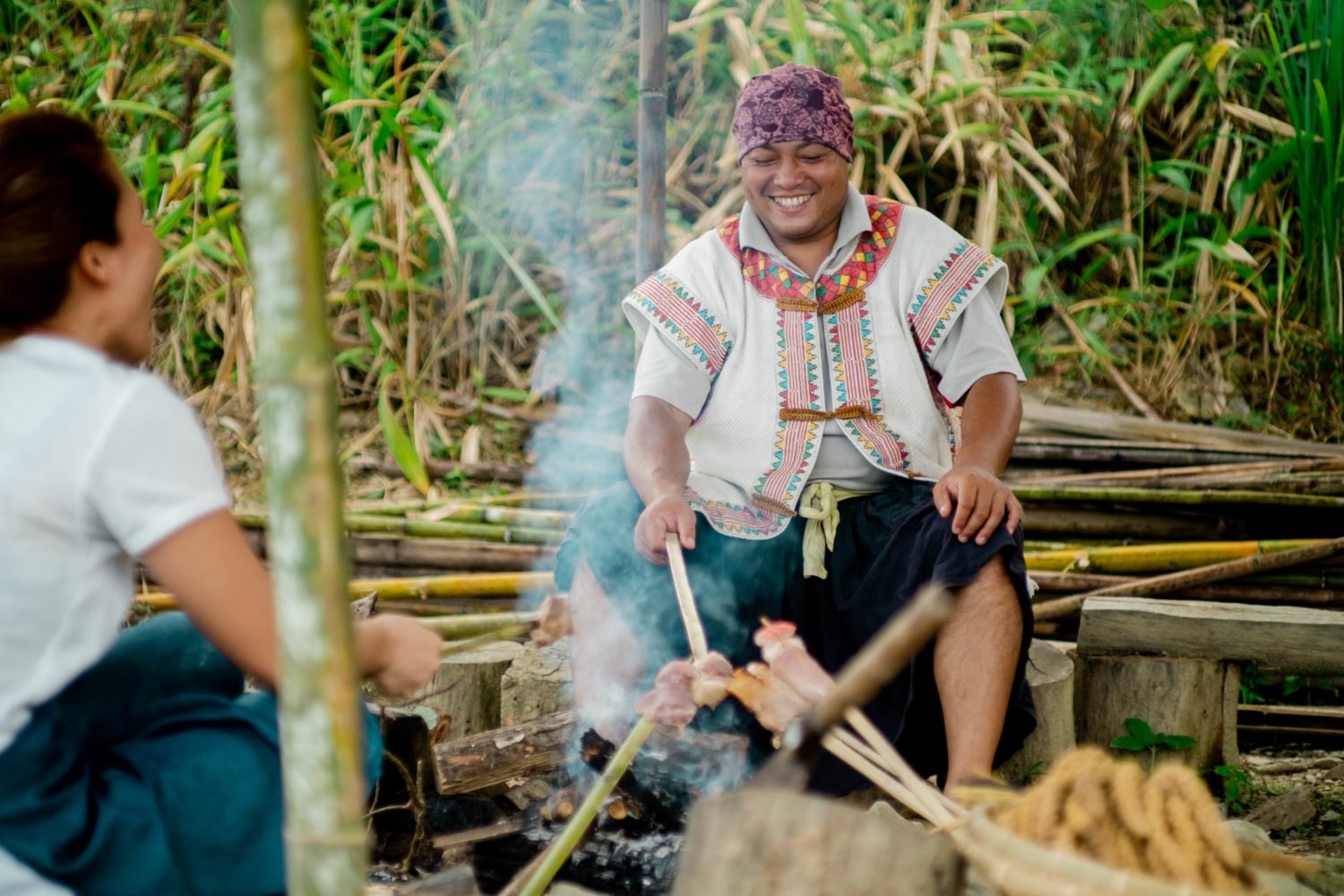
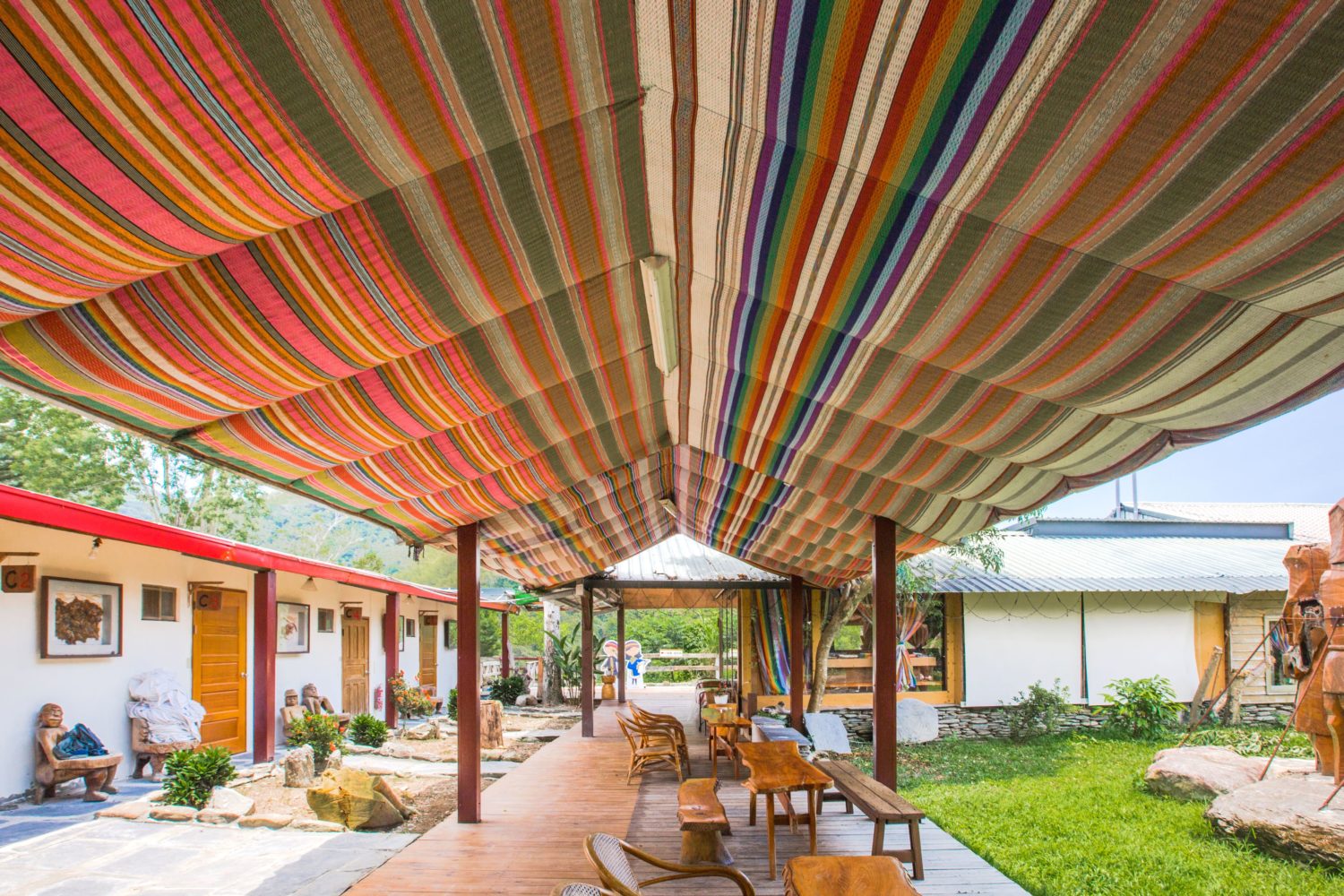
More than 30 tribal tours have now been developed across Taiwan, opening carefully managed routes into remote coastal and highland communities where visitor access has historically been limited.
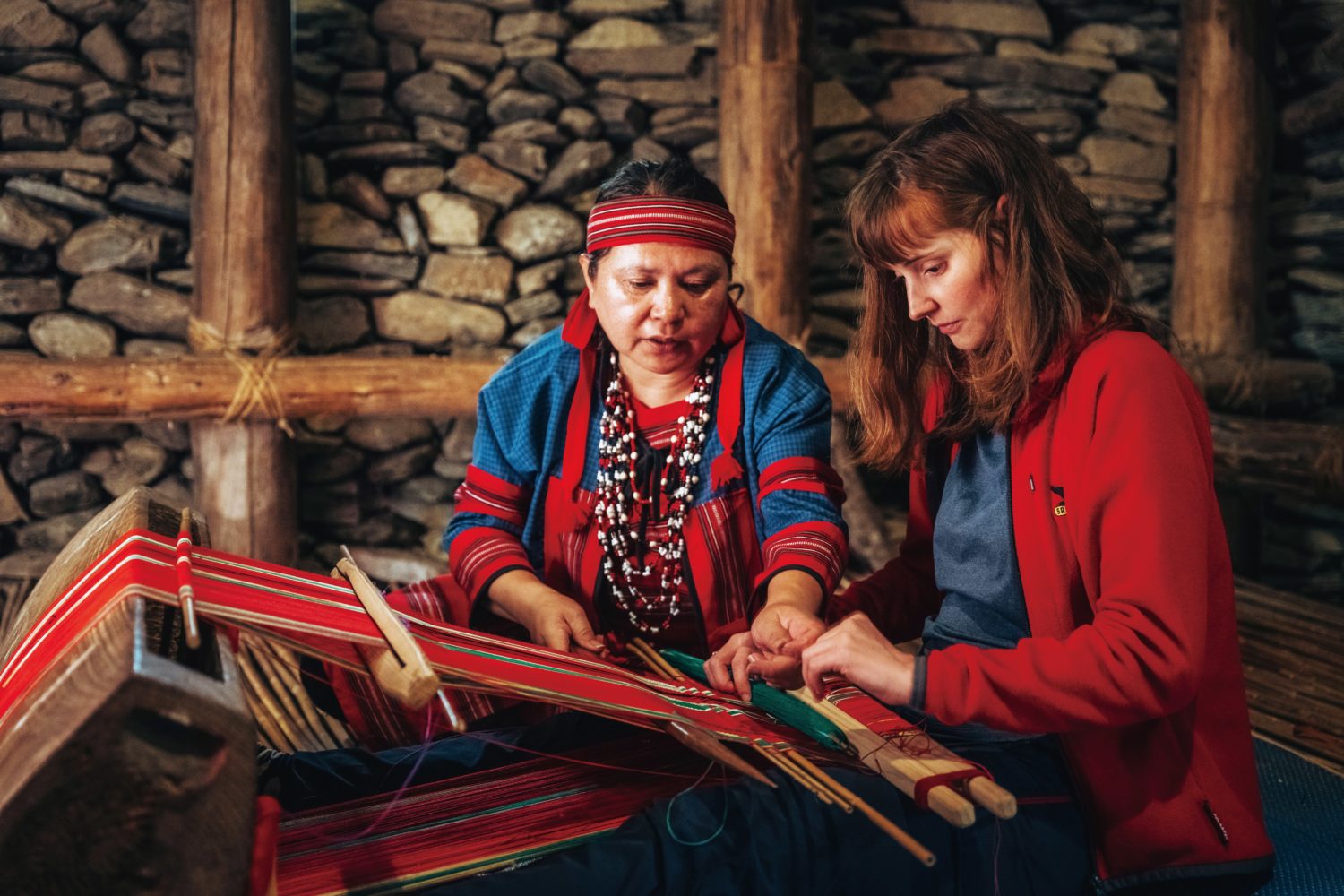
Led by indigenous hosts, these experiences offer insight into everyday life: food and farming, craft and storytelling, ecology, ritual and the deep knowledge of land and sea. The pace is deliberately considered, with visitor numbers managed by communities themselves to protect both cultural practices and natural environments.
Across the island, tour operators are responding to growing interest by creating itineraries that combine tribal visits with cycling, hot springs, tea culture and coastal walks. The result is a more intimate way to explore Taiwan: not simply passing through landscapes, but understanding the people and traditions that give them meaning.
The Taste of Ancestry: Taiwan’s Indigenous Wine Culture
Alongside its festivals and tribal tours, Taiwan is also inviting travellers to discover a lesser-known expression of indigenous culture: wine.
Millet wine has long held ceremonial and social importance among many indigenous communities. Today, those traditions are being revived with care and creativity across the island.
In northeast Taiwan, the Atayal community of Bulau Bulau is producing small-batch wines using heritage methods, gaining recognition from leading sommeliers and venues including Villa 32 Taipei, a Relais & Châteaux hotel.
“Through the lens of wine and tribal winemaking, Taiwan reveals far more than many imagine,” explains London-based Taiwanese wine writer and educator Leona De Pasquale. “It is a gateway to the island’s indigenous culture, history and traditions.”
For travellers, millet wine offers something quietly profound. It is not merely a drink, but a vessel of memory: earth, grain, ceremony and community held in a glass.
Taiwan’s Austronesian Heritage
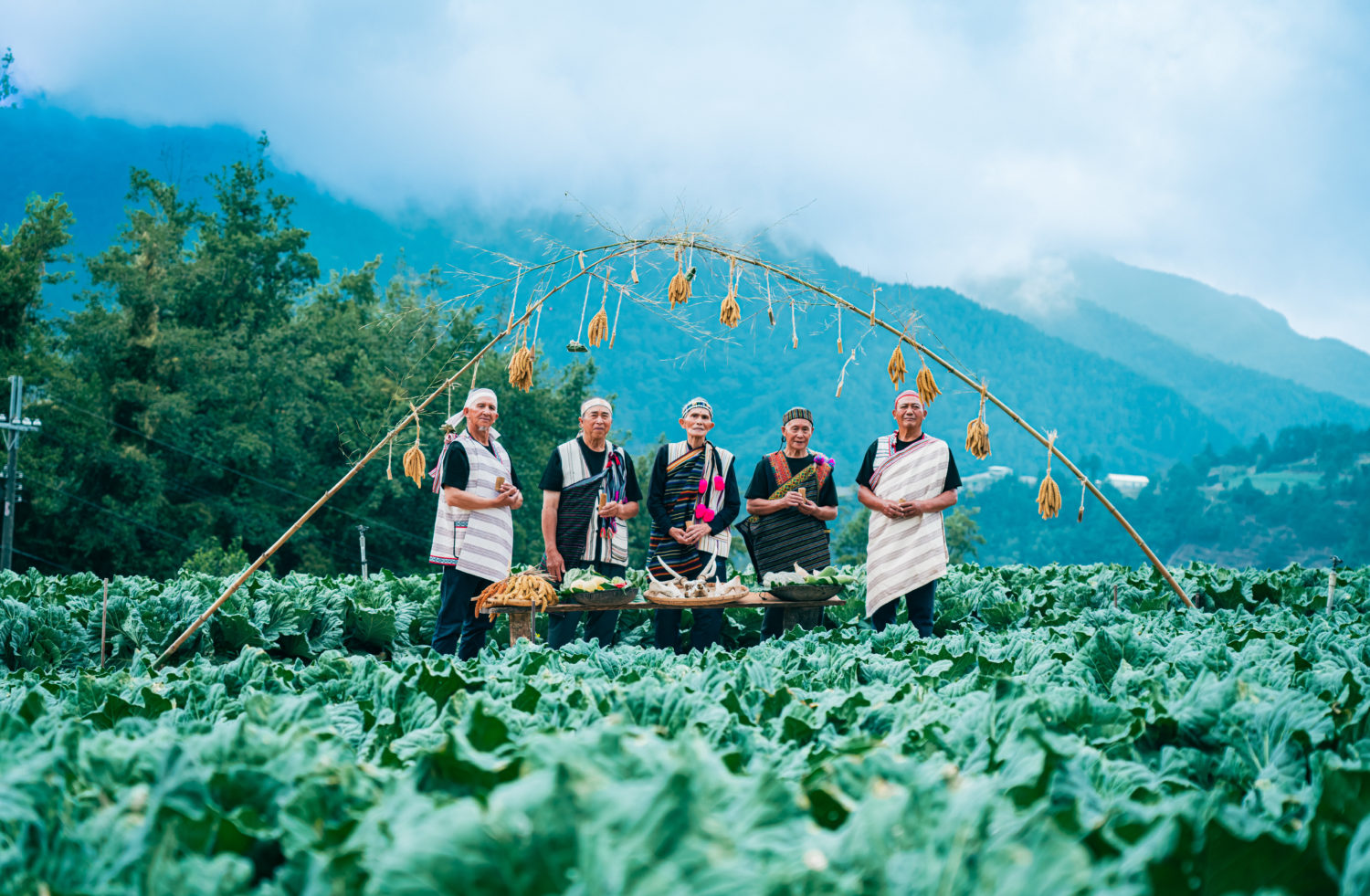
Taiwan is home to 16 officially recognised indigenous peoples, each with distinct languages, ceremonial lives, music, craft traditions and foodways. Together, they represent one of the world’s richest concentrations of Austronesian culture.
The island is widely recognised by linguists and anthropologists as an origin point of the Austronesian peoples, a vast family of cultures and languages spanning the Pacific, Southeast Asia and the Indian Ocean, from Hawaii to Madagascar. Taiwan’s indigenous peoples have been present for more than 6,500 years, shaping the island’s earliest identity and continuing to define its cultural landscape today.
In 2016, Taiwan reaffirmed the cultural heritage and historical significance of its indigenous peoples, underscoring the ongoing relationship between the state and the island’s 16 recognised indigenous communities.
Travelling With Respect
Where visitor access is permitted, indigenous ceremonies offer a rare opportunity to experience the depth and continuity of Taiwan’s cultural life. Travellers are encouraged to approach these occasions with respect, follow local guidance and remember that these are living traditions, not staged performances. That distinction is what makes the journey so powerful.
Taiwan’s indigenous culture is not static. It is sung into the evening air. It is poured into a cup of millet wine. It is woven by hand, danced in harvest season, carried through mountain paths and coastal villages, spoken in languages that hold the memory of the island.
For those willing to travel beyond the familiar, Taiwan offers something extraordinary: a cinematic journey through one of Asia’s most ancient and contemporary cultural worlds, where the land is not simply seen, but felt.