With Mémoire, Rosie Huntington-Whiteley is betting on a new era of luxury, one defined not by trends or status symbols, but by beautifully crafted objects designed to hold memories, mark milestones and be passed down through generations.
Long before celebrity-founded brands became commonplace, Rosie Huntington-Whiteley had quietly established herself as one of luxury’s most influential tastemakers.
Whether sharing glimpses inside her impeccably curated homes, documenting architectural discoveries, showcasing contemporary art or revealing the latest additions to her wardrobe, Huntington-Whiteley’s Instagram has become a reference point for a generation seeking inspiration across fashion, interiors, beauty and design.
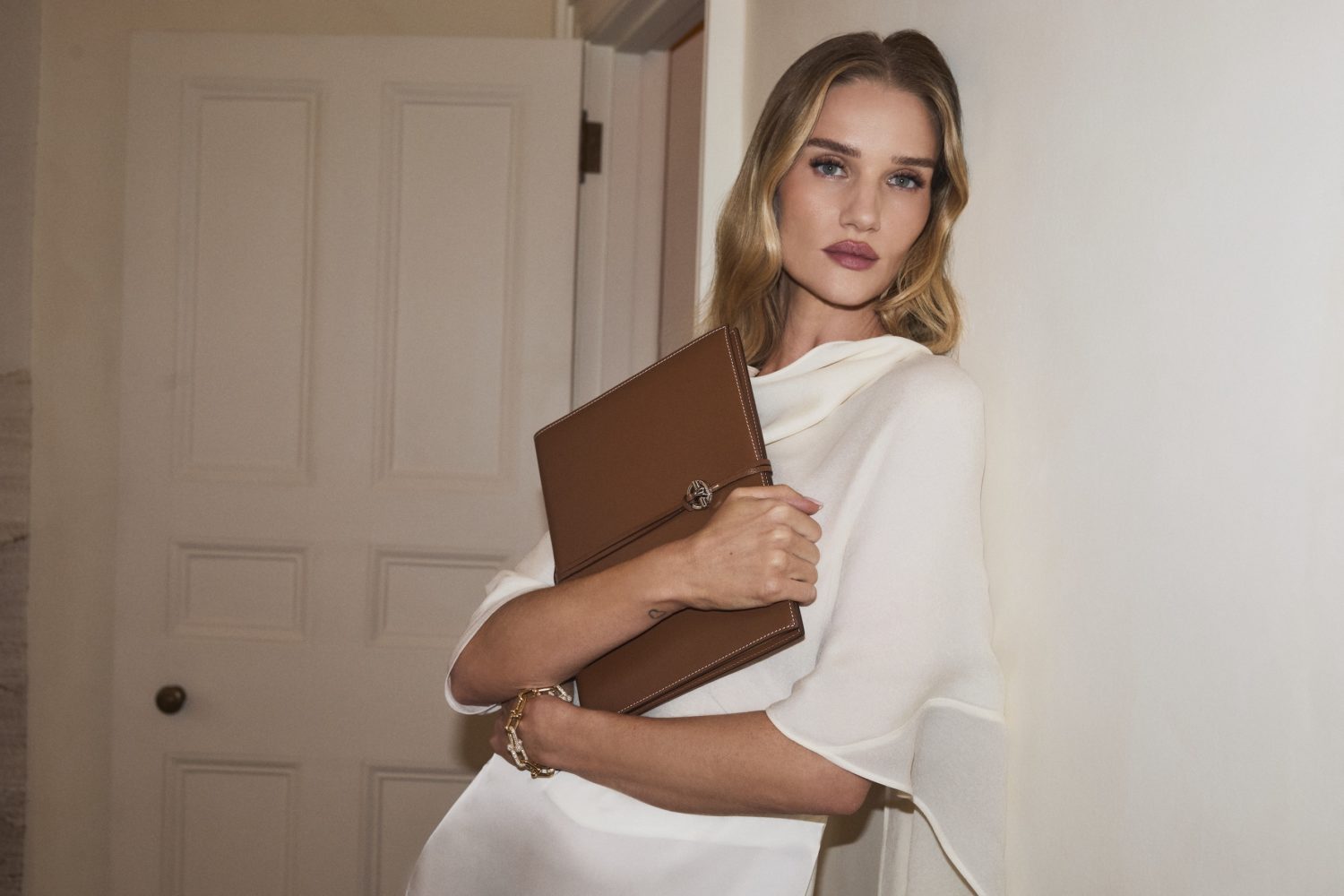
Unlike many celebrity entrepreneurs, her influence extends far beyond a single category. Over the past decade she has cultivated a highly recognisable aesthetic built around luxury, craftsmanship and timelessness. Her feed rarely chases trends. Instead, it offers a carefully curated visual language that followers return to repeatedly for inspiration, whether they are redesigning a living room, investing in a handbag or planning a holiday.
It is perhaps unsurprising, then, that her latest venture is not another beauty brand or fashion label. Instead, Mémoire feels like a natural extension of the world she has been building publicly for years.
From Fashion Muse To Lifestyle Authority
Huntington-Whiteley’s evolution from supermodel to entrepreneur has been marked by a consistent commitment to quality and curation.
While many public figures leverage their influence within a single industry, Rosie has become one of the few personalities whose reach spans fashion, beauty, interiors, travel and architecture simultaneously. Her audience doesn’t simply follow her recommendations; they look to her as a trusted source of inspiration for a particular way of living.
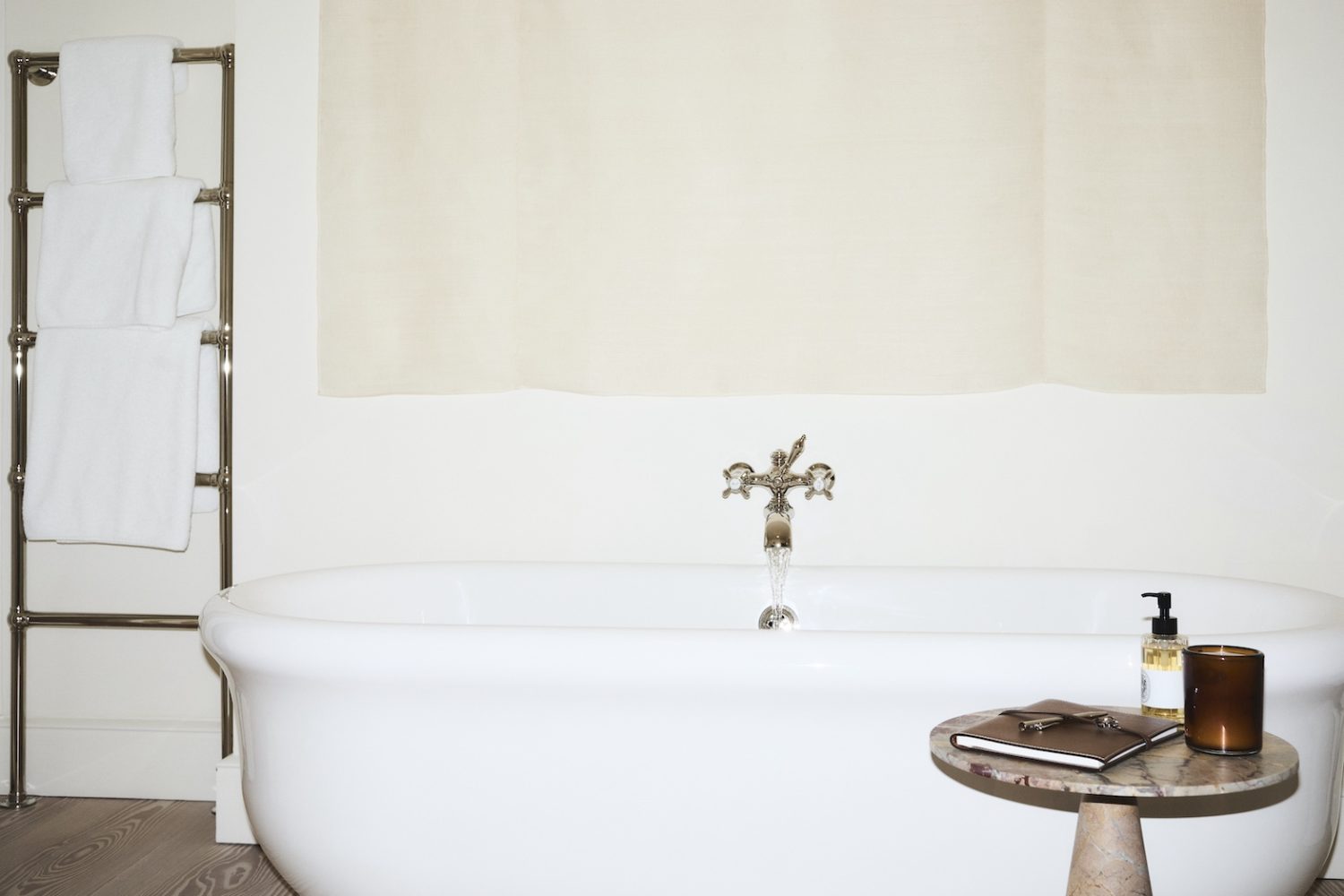
That influence has become increasingly valuable in today’s luxury landscape, where consumers are buying into a founder’s point of view as much as they are buying a product.
Mémoire represents the clearest expression yet of Huntington-Whiteley’s aesthetic philosophy.
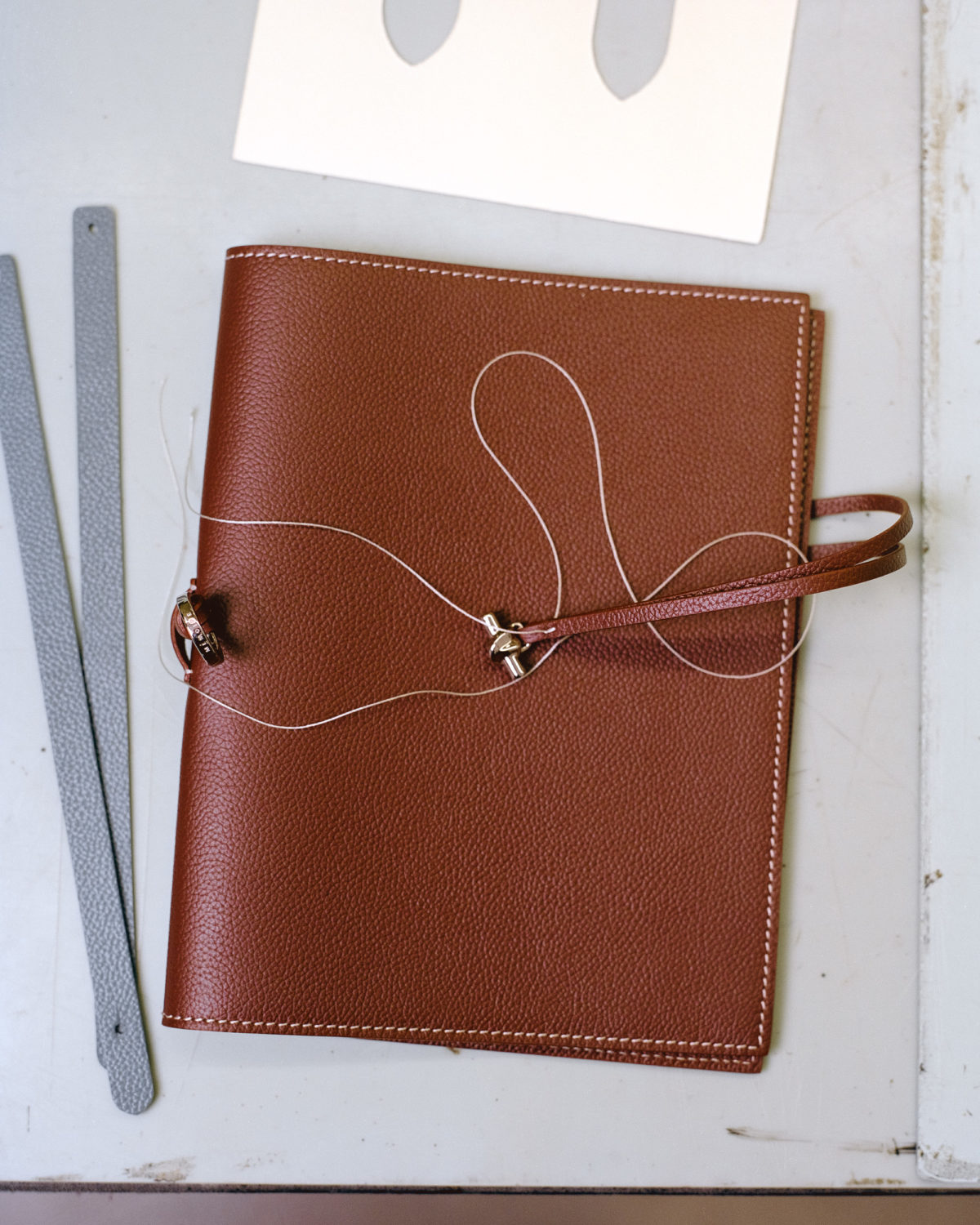
Co-founded alongside Westview Ventures, the luxury lifestyle brand focuses on heirloom-quality keepsakes designed to become part of a family’s story. The inaugural collection includes Italian-made leather journals, personalised stationery, Murano glass candles, luggage tags and keepsake boxes, all designed with longevity and sentimentality in mind.
The Rise Of Emotional Luxury
For decades, luxury was largely driven by status and visibility. Today, the conversation has shifted.
Increasingly, affluent consumers are looking for products that feel meaningful, personal and enduring. The fastest-growing categories across luxury are often those centred around craftsmanship, storytelling and emotional connection.
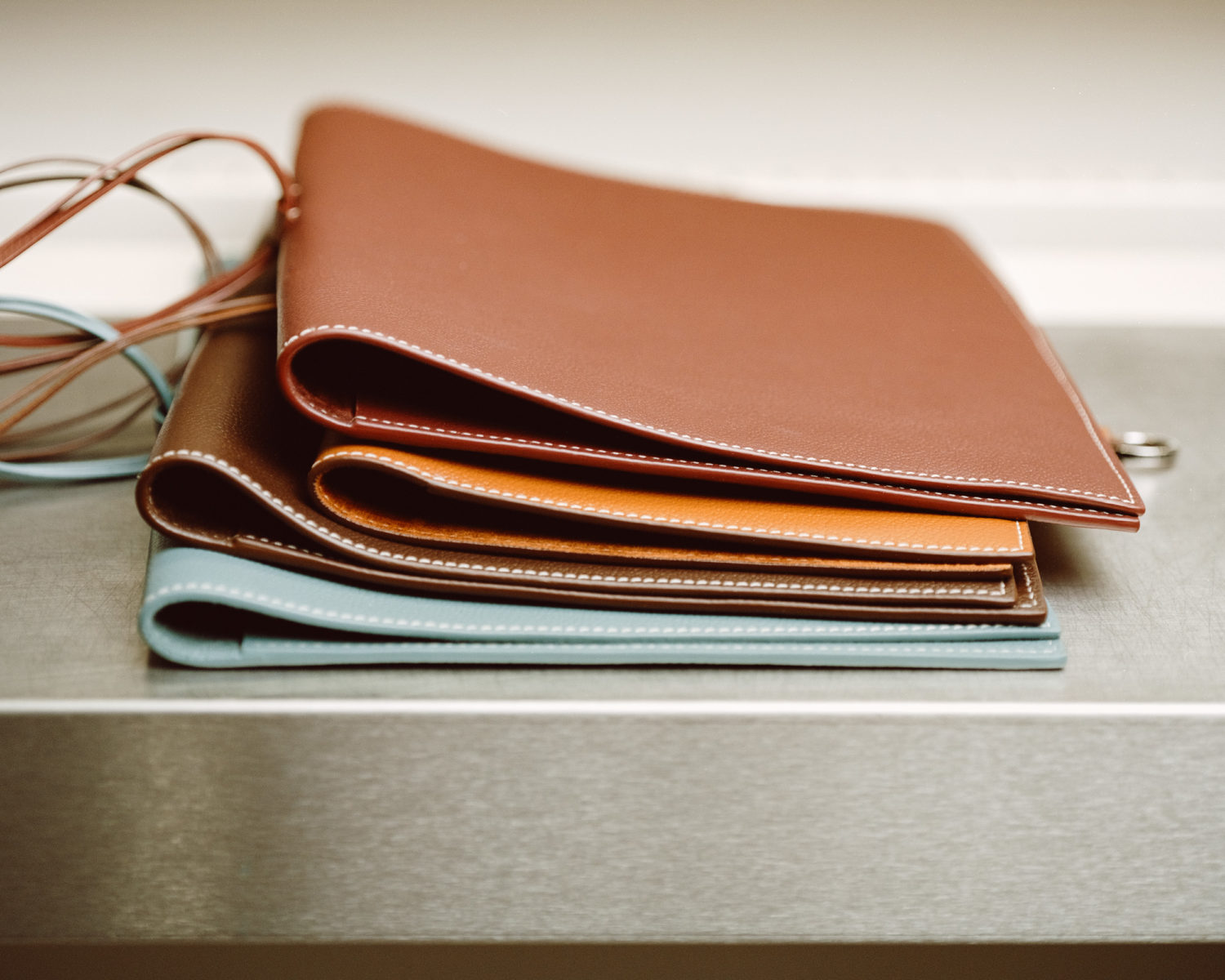
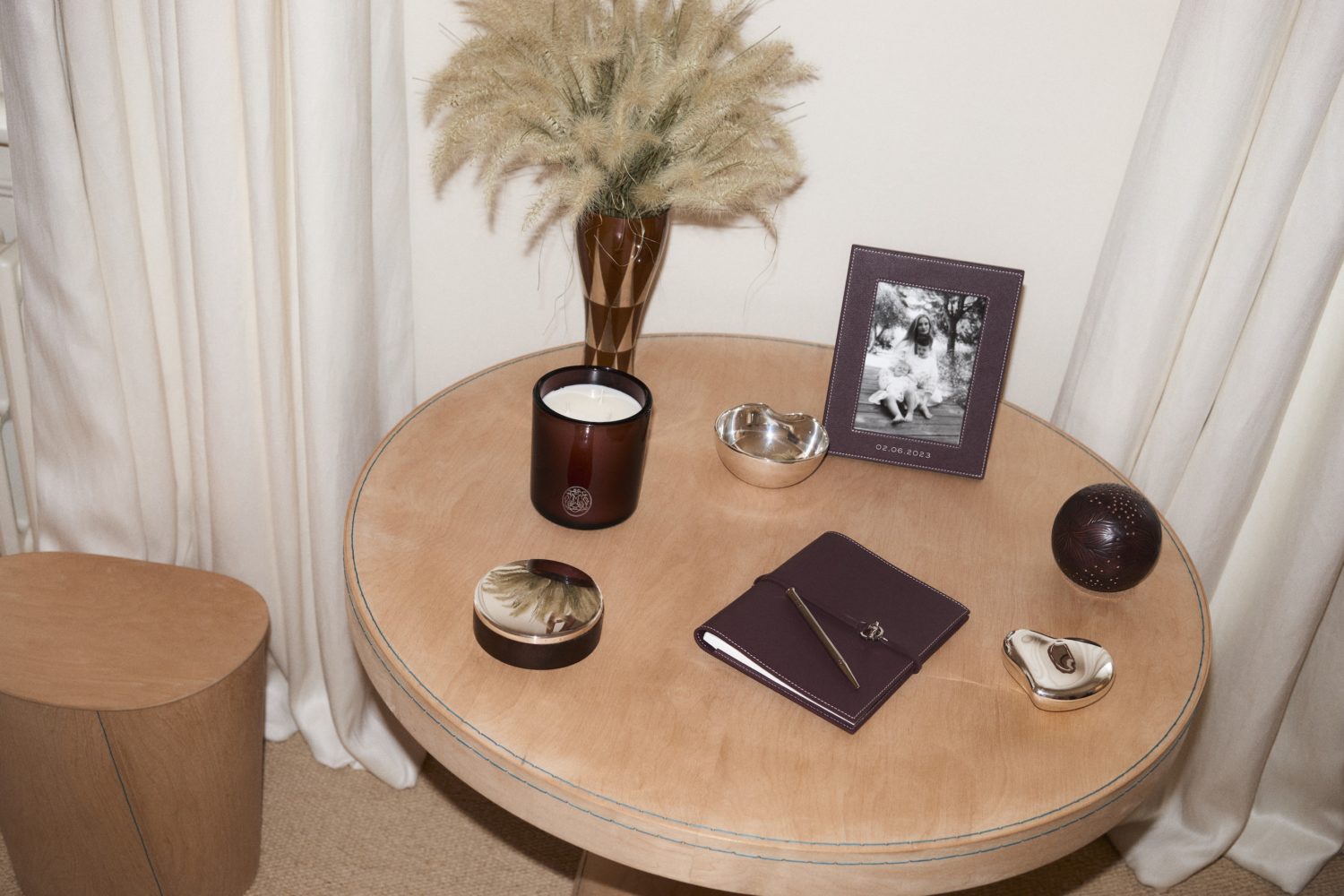
Mémoire taps directly into this cultural shift.
Rather than encouraging endless consumption, the brand focuses on objects intended to be lived with, treasured and ultimately passed down. It is a concept that feels particularly relevant in an age where so much of our lives exist digitally and where permanence has become a luxury in itself.
The Business Of Taste
What makes Mémoire particularly compelling is that it isn’t simply selling stationery, candles or leather goods. It is selling access to a carefully cultivated aesthetic.
Few modern figures have cultivated a luxury point of view as consistently as Huntington-Whiteley. Through her carefully curated approach to fashion, interiors, travel and design, she has spent years building a visual universe that resonates across multiple luxury categories. The result is an audience that trusts her aesthetic judgement far beyond the traditional boundaries of celebrity influence.
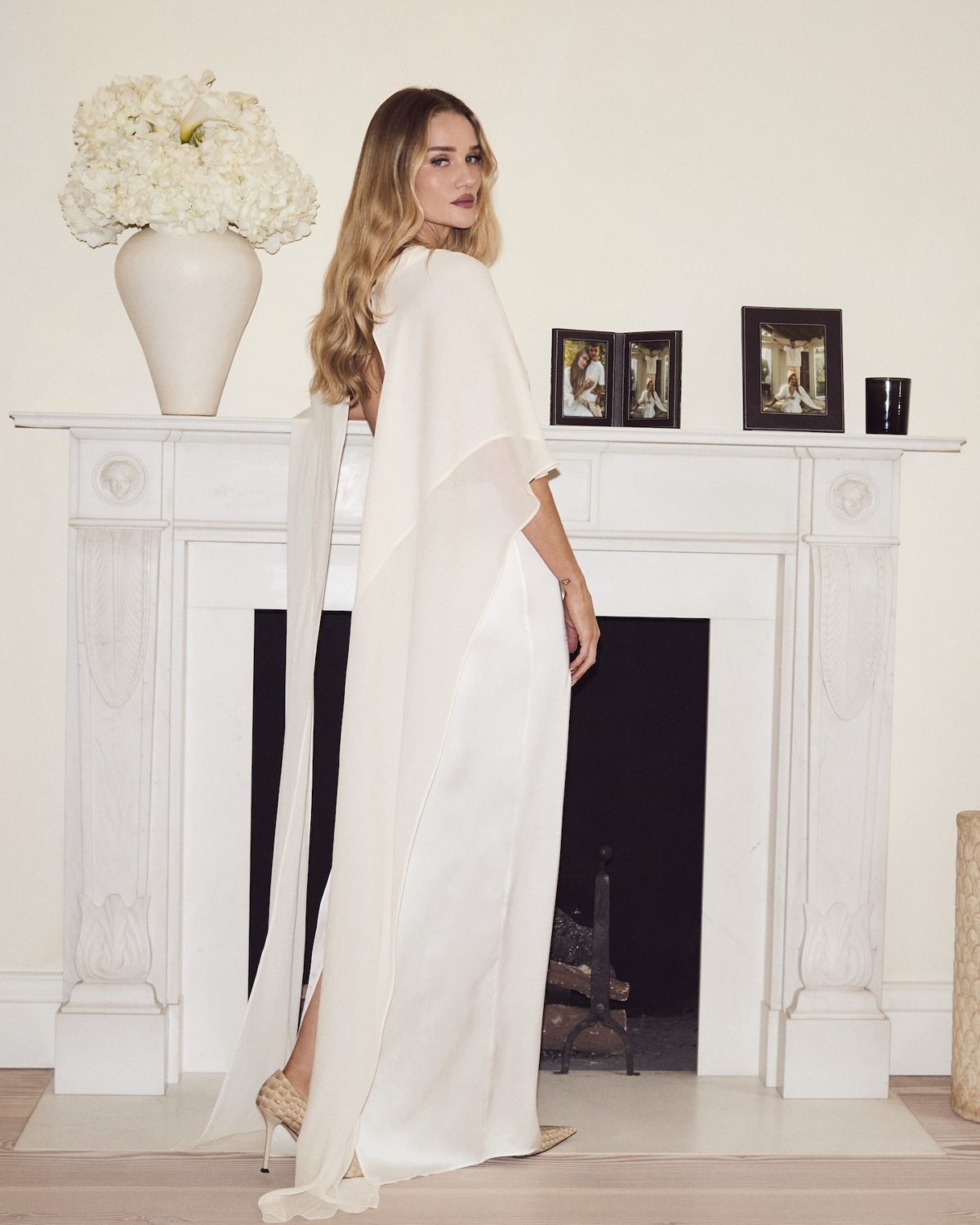
Her appreciation for contemporary architecture, thoughtful interiors, timeless fashion and elevated everyday living has become central to her personal brand. Mémoire translates that sensibility into physical form.
The collection unfolds across four distinct creative worlds High Castle, Love Birds, Secret Garden and Glass Lake each with its own colour palette, design references and visual identity. The approach encourages customers to align themselves with a particular aesthetic universe rather than simply purchasing a product.
Personalisation As Modern Luxury
Another reason the brand feels timely is its emphasis on personalisation.
Every item can be customised through embossing, engraving or monogramming, transforming an already luxurious object into something deeply personal.
In a market saturated with mass-produced luxury goods, individuality has become one of the most desirable forms of exclusivity. Consumers increasingly want objects that reflect their own stories rather than simply displaying a designer logo.
Mémoire understands this instinct well.
From leather journals designed to document life’s milestones to hand-blown Murano glass candles intended to become treasured gifts, the collection positions sentimentality as a luxury asset rather than an afterthought.
Investing In The Future Of Luxury
The involvement of Westview Ventures further highlights confidence in the category’s long-term potential. Founded by Julia Hunter, Meaghan Cox and Jackie Beyer-McCabe, the company specialises in creating culturally relevant brands rooted in aspiration, authenticity and longevity.
Together, they have positioned Mémoire at the intersection of luxury lifestyle, gifting and personalisation three sectors that continue to resonate with high-net-worth consumers seeking more thoughtful purchases.
With products ranging from £195 Murano glass candles to £925 keepsake boxes, the collection occupies a premium space that prioritises emotional value alongside craftsmanship.
As luxury continues to evolve, brands built around meaning rather than excess are becoming increasingly relevant.
For Rosie Huntington-Whiteley, Mémoire is more than a business venture. It is a reflection of the values that have defined her influence for years: thoughtful design, timeless beauty and the belief that the most valuable objects are often the ones that tell a story.