For decades, sustainability in yachting has largely been framed as a compromise. Project Zero changes that narrative entirely.
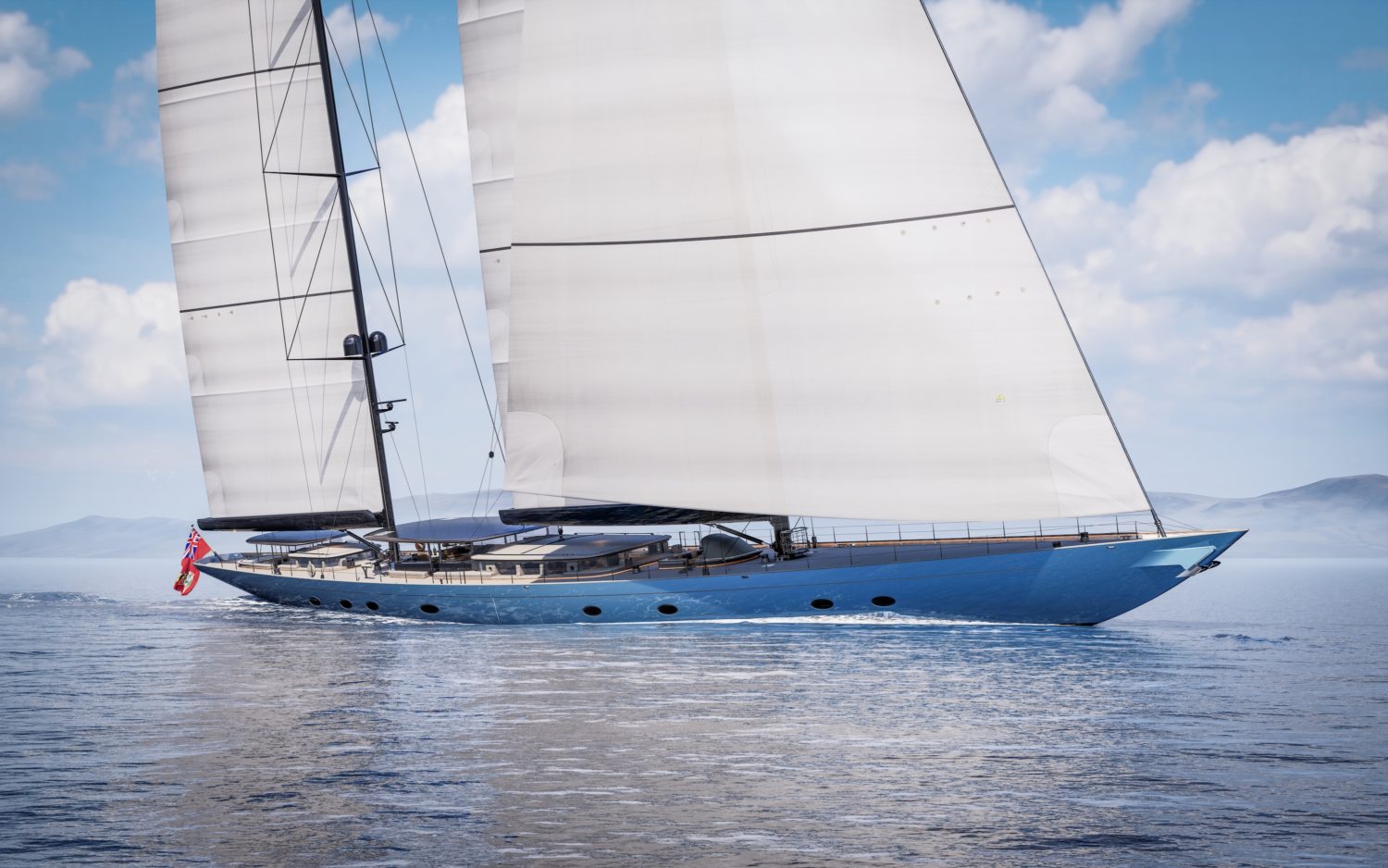
Currently nearing her technical launch at Vitters Shipyard in the Netherlands, the groundbreaking 70-metre sailing superyacht is not simply another eco-conscious yacht. Conceived nearly a decade ago by visionary owners determined to challenge every convention of modern yacht building, Project Zero has been designed from the keel up as the world’s first all-electric superyacht. There is no traditional engine. No fossil fuels. Instead, she represents an entirely new vision of luxury at sea, one where cutting-edge technology, exceptional design and complete energy independence exist in perfect harmony.
Behind this generation-defining project is Dutch design studio Vripack, which has been responsible for the yacht’s exterior, interior and technical design in collaboration with Dykstra Naval Architects. For Vripack, whose holistic design philosophy has shaped thousands of vessels over more than six decades, Project Zero presented an unprecedented challenge.
“It all began with the technology, but we knew she also had to be beautiful,” says Marnix Hoekstra, Vripack’s co-creative director.
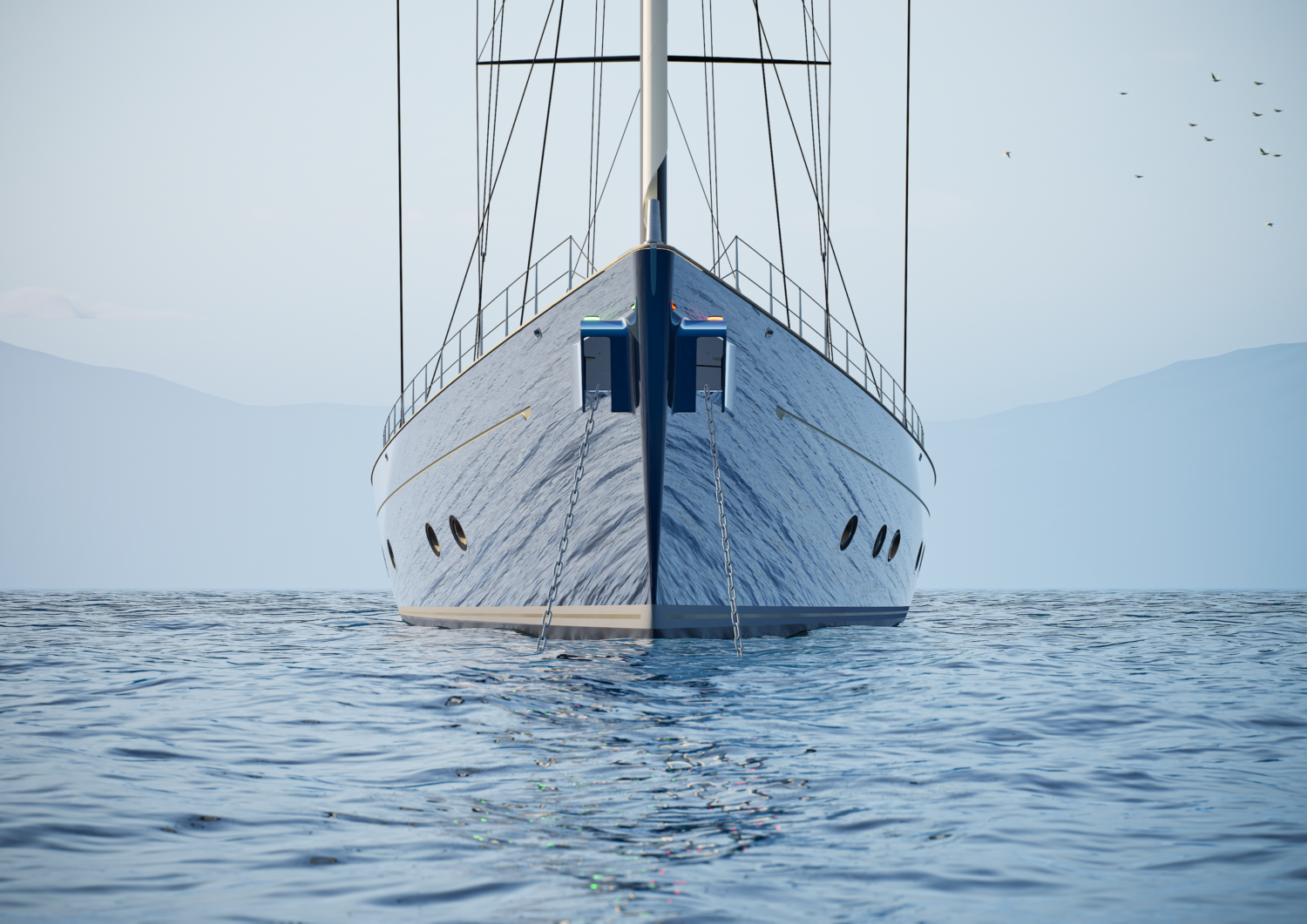
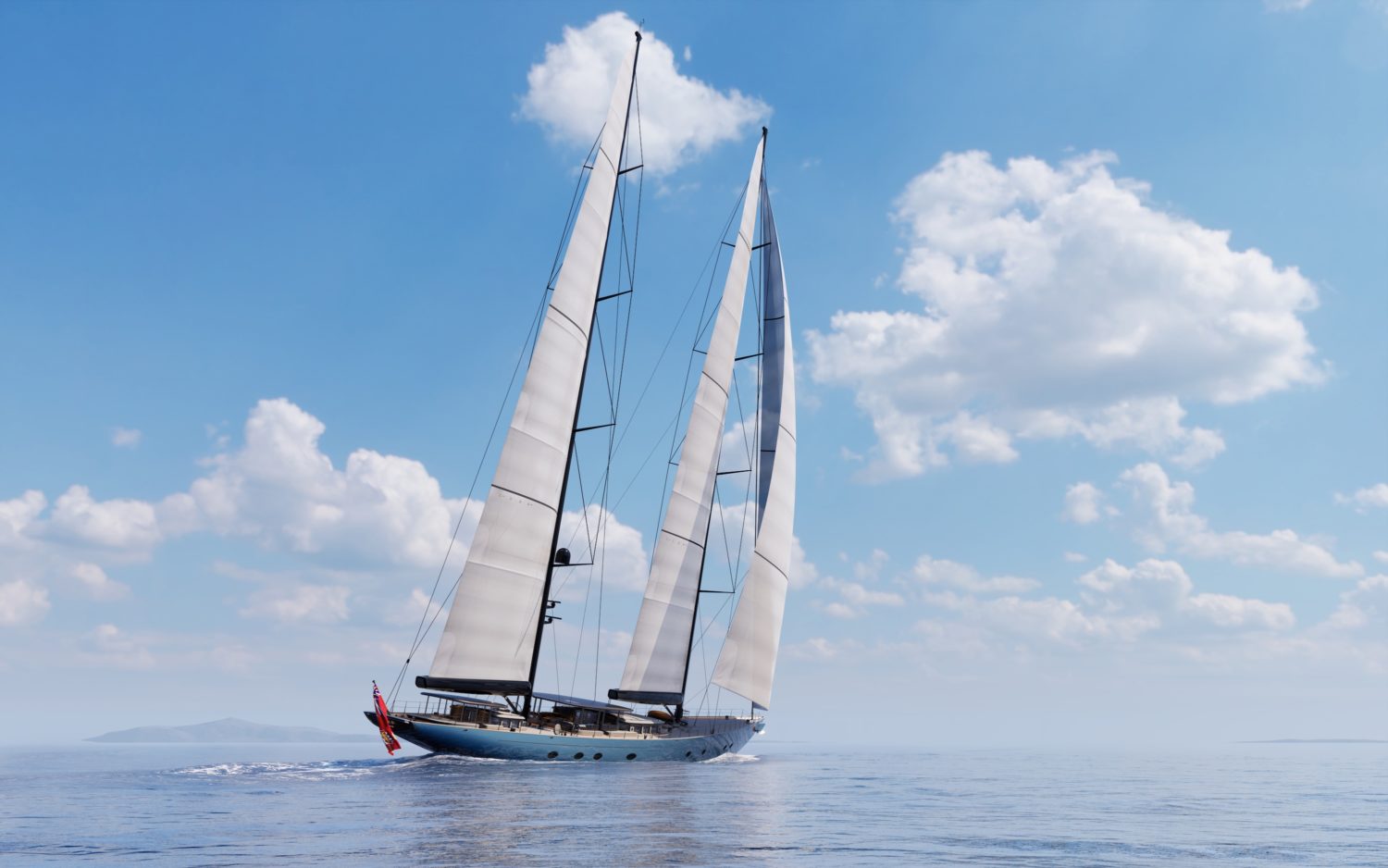
That philosophy is evident throughout the yacht. While Project Zero’s revolutionary energy systems may define her technical credentials, her appearance remains unmistakably elegant. Long double-ended overhangs, twin soaring masts and a fluid, low-profile superstructure create a silhouette that feels timeless rather than futuristic. Every line has been carefully considered to honour the owner’s desire for the romance and beauty of a classic sailing yacht while simultaneously embracing technologies that have never before been integrated into a vessel of this scale.
At the heart of Project Zero lies a simple yet ambitious objective: to allow her owners to live comfortably on board for up to two weeks powered entirely by renewable energy.
To achieve this, every aspect of the yacht has been engineered around energy generation rather than energy consumption. Traditional propulsion systems have been eliminated entirely and replaced with advanced regenerative technologies, including specially developed turbine propellers capable of generating electricity through hydro-generation while under sail.
The project brought together expertise from across the globe. Among those contributing to the yacht’s development were members of Emirates Team New Zealand’s America’s Cup programme, whose knowledge helped optimise the hull form for maximum hydro-generation efficiency. Advanced simulation modelling revealed that the resulting curved hull profile delivers a 2.5% increase in speed alongside an 8% improvement in electric power generation.
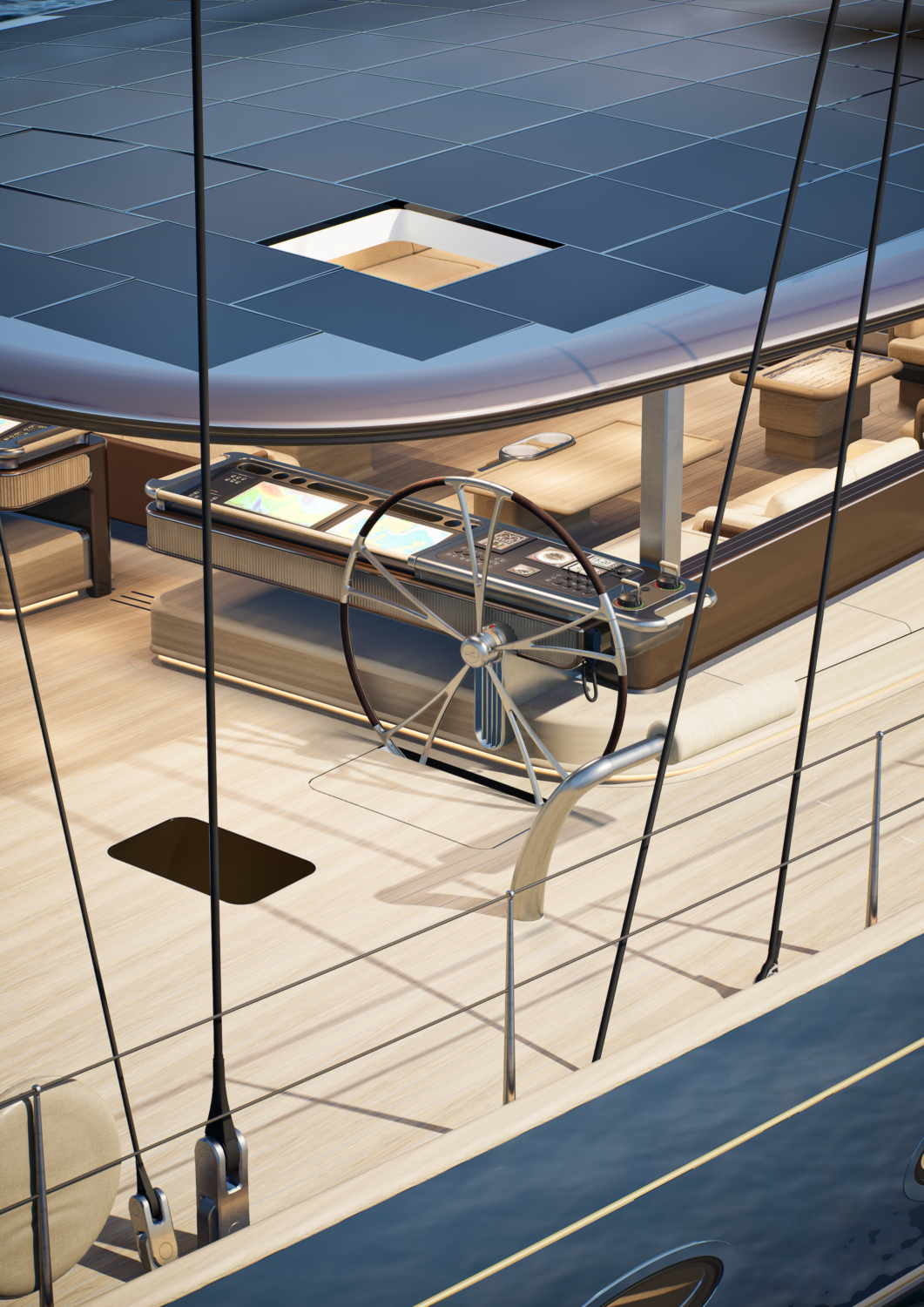
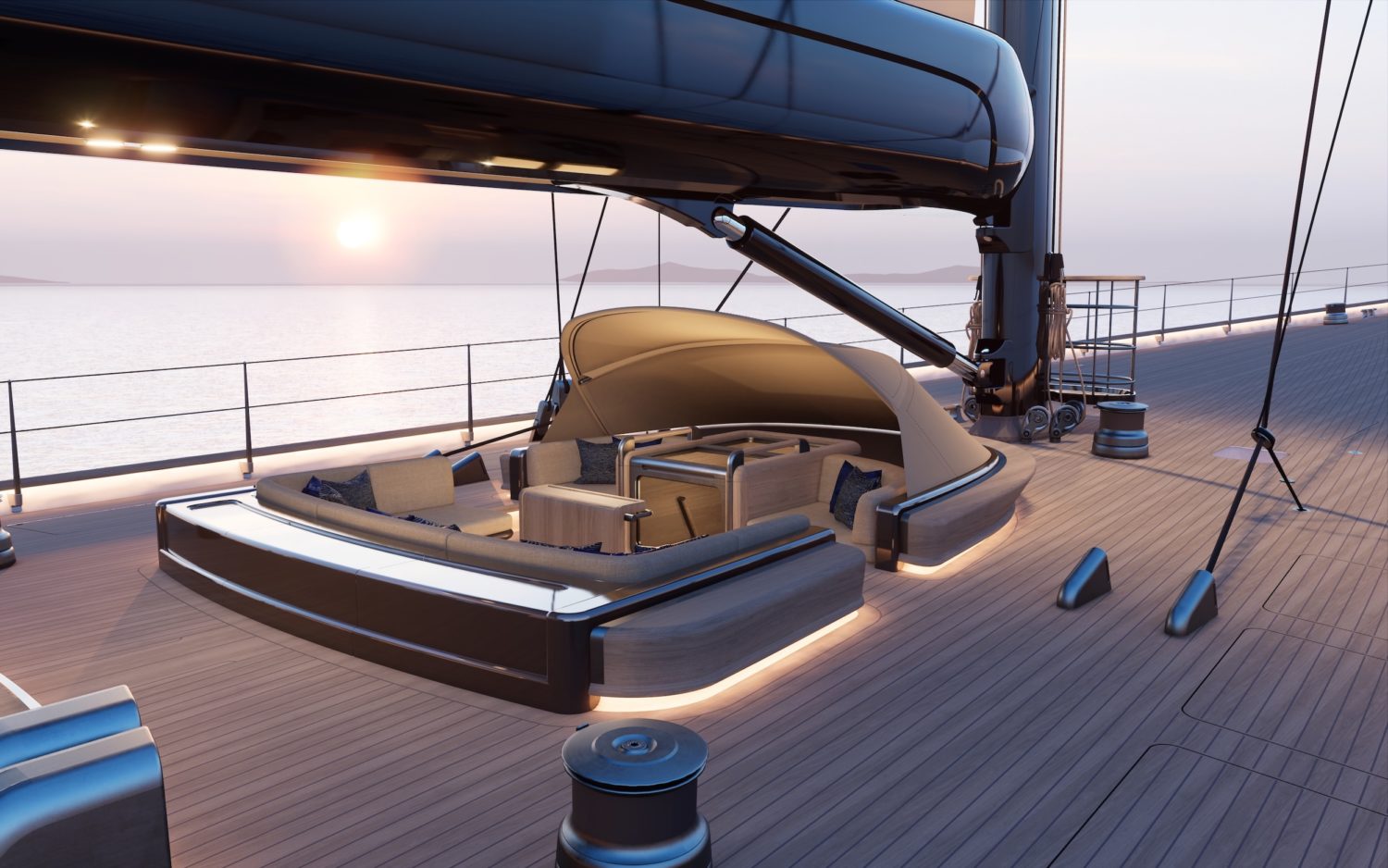
Across the deck, sustainability is integrated seamlessly into the architecture. The biminis shading the exterior living spaces incorporate 100 square metres of solar panels, generating both electricity and heat to power onboard systems and climate control. All energy generation and distribution is managed through an intelligent onboard “mission control” system, enabling the yacht to operate entirely on renewable power.
Yet Project Zero is as much a design story as it is a technological one.
Vripack’s approach combined centuries-old craftsmanship with some of the most advanced creative tools available today. Traditional artisanal techniques sit alongside AI-assisted artistry, 3D-printed components and a fully immersive virtual reality mock-up used throughout the design process.
“As a designer, it is exciting to be able to say there is still more to explore here,” says Hoekstra. “On a design level, Zero is special because nothing like this has been done before.”
This spirit of innovation extends into every detail. Matte-finished custom deck hardware has been developed specifically for the project, while the yacht’s metal transom has been painstakingly hand-painted to resemble natural wood. Even the passerelle has been reimagined, transforming into a private swim ladder for the owner through an ingenious system that allows it to swivel, rotate flat and remain slip-resistant when wet.
For Vripack, however, true luxury lies not in complexity but in cohesion.
Every element was required to satisfy three fundamental principles: it must perform its intended function flawlessly, integrate seamlessly into the wider design and stand alone as something beautiful in its own right.
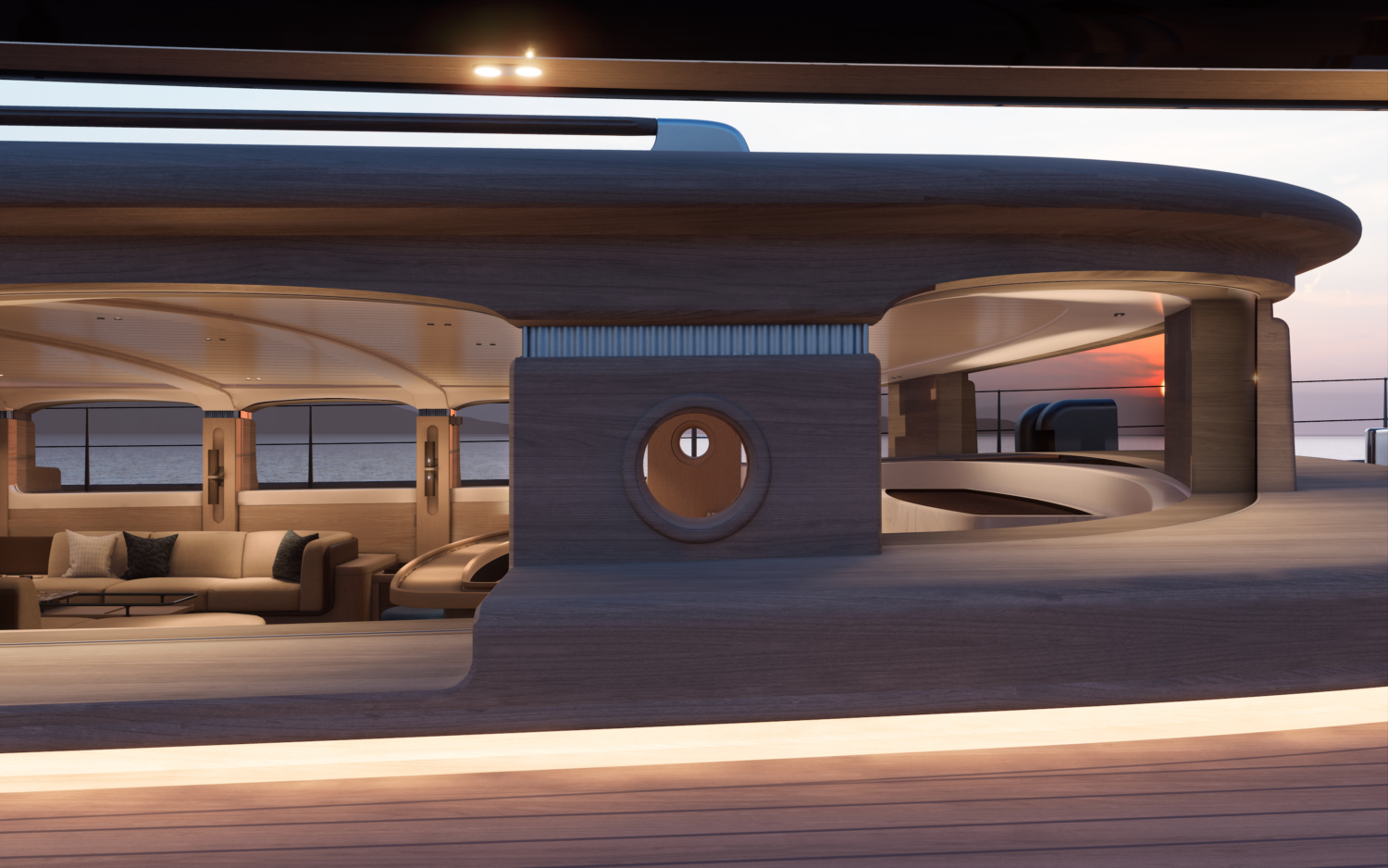
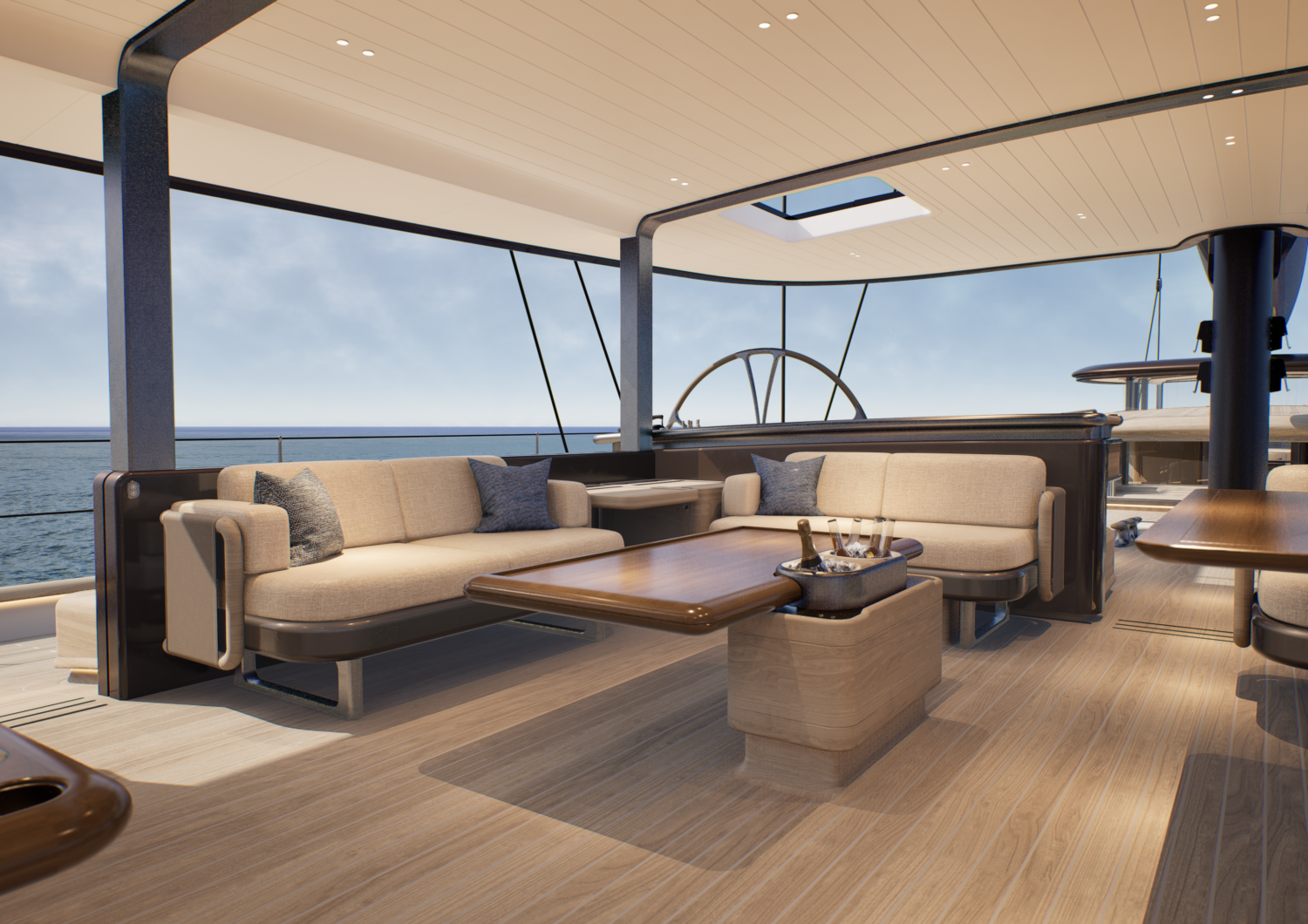
This philosophy is expressed through a unifying design language that runs throughout the yacht. Curved radii appear repeatedly across windows, furniture and architectural details. Caramel-toned Brazilian FSC-certified teak appears to grow organically from the deck itself, while curved glass surfaces soften transitions between interior and exterior spaces. Hand-carved double-curved oak corners and gently cambered ceiling lighting continue this visual rhythm below deck.
“Each element connects seamlessly to the next and the beauty of our work lies in these connections,” explains Hoekstra. “They’re what give Zero her sense of calm and cohesion. It’s not overdesigned; every detail simply answers to the same rhythm.”
Inside, Project Zero takes its cues directly from nature.
Rather than relying on high-gloss finishes traditionally associated with superyachts, the interior celebrates texture, tactility and authenticity. A striking multi-hued fire onyx coffee table has been finished to create an almost leather-like feel beneath the fingertips. Custom furniture crafted from reclaimed bark incorporates scented pine skin, while smoked European oak sourced locally provides warmth throughout the living spaces.
Imperfections, often eliminated in yacht construction, are embraced and celebrated. Natural knots, grain variations and cracks remain visible within the timber veneers, while leather-finished stone surfaces reveal their authentic cut lines.
“The owners, who love the outdoors, wanted nature to truly resonate throughout the yacht,” says Hoekstra. “We had to let the carpenters know it was imperative that the veneers really show the natural grain of the wood.”
The decision also delivered a significant sustainability benefit. By embracing naturally occurring characteristics within the timber, Vripack was able to utilise approximately 70% of the oak veneer available, compared with around 30% typically used in conventional yacht construction.
As with every Vripack project, the owners remained central to the design process from the very beginning.
“We visited the owners’ homes and listened carefully to their needs to better interpret what they wanted from this design and that was elegance, comfort and independence,” explains Hoekstra.
That understanding informed countless design decisions. Outdoor modular furniture can rapidly transform from intimate lounge seating into formal dining arrangements for up to twelve guests. Electric cockpit windows can be operated at the touch of a button, allowing owners to quickly enclose exterior spaces without requiring crew assistance.
Practical considerations have been thoughtfully addressed throughout, including increased storage, discreetly integrated grab rails and custom surface cut-outs designed to secure trays while the yacht heels under sail.
The main saloon features a dining table that converts into a dedicated workspace and craft area for the owners, who enjoy puzzles and creative pursuits during extended voyages. Meanwhile, space traditionally occupied by a full-beam engine room has been repurposed into a hidden crew corridor, enabling discreet service throughout the vessel.
Accommodation comprises a spacious owner’s suite alongside four guest cabins, each inspired by destinations holding special significance for the owners, including Italy and French Polynesia. Bespoke commissioned artworks enhance the individuality of each space.
At the centre of the owner’s suite stands the mizzen mast, wrapped in a custom artwork by American sculptor Sienna Martz. The suite also connects directly to a private study, reflecting the increasing importance of “working from yacht” for modern owners spending extended periods on board.
Ultimately, Project Zero represents far more than a technological milestone. It offers a compelling glimpse into the future of luxury yachting, demonstrating that sustainability, beauty and uncompromising comfort can coexist without compromise.
“This project proved to be the perfect storm for Vripack and our integrated design philosophy,” says Hoekstra. “The owners entrusted us with a lot of freedom and respect for the choices we made, and the result is a beautiful and capable yacht designed as a single continuous object, not a collection of parts. And therein lies the win.”
As Project Zero prepares to take to the water, she stands not merely as the world’s first all-electric sailing superyacht, but as a bold statement about what the next generation of yacht design can become.