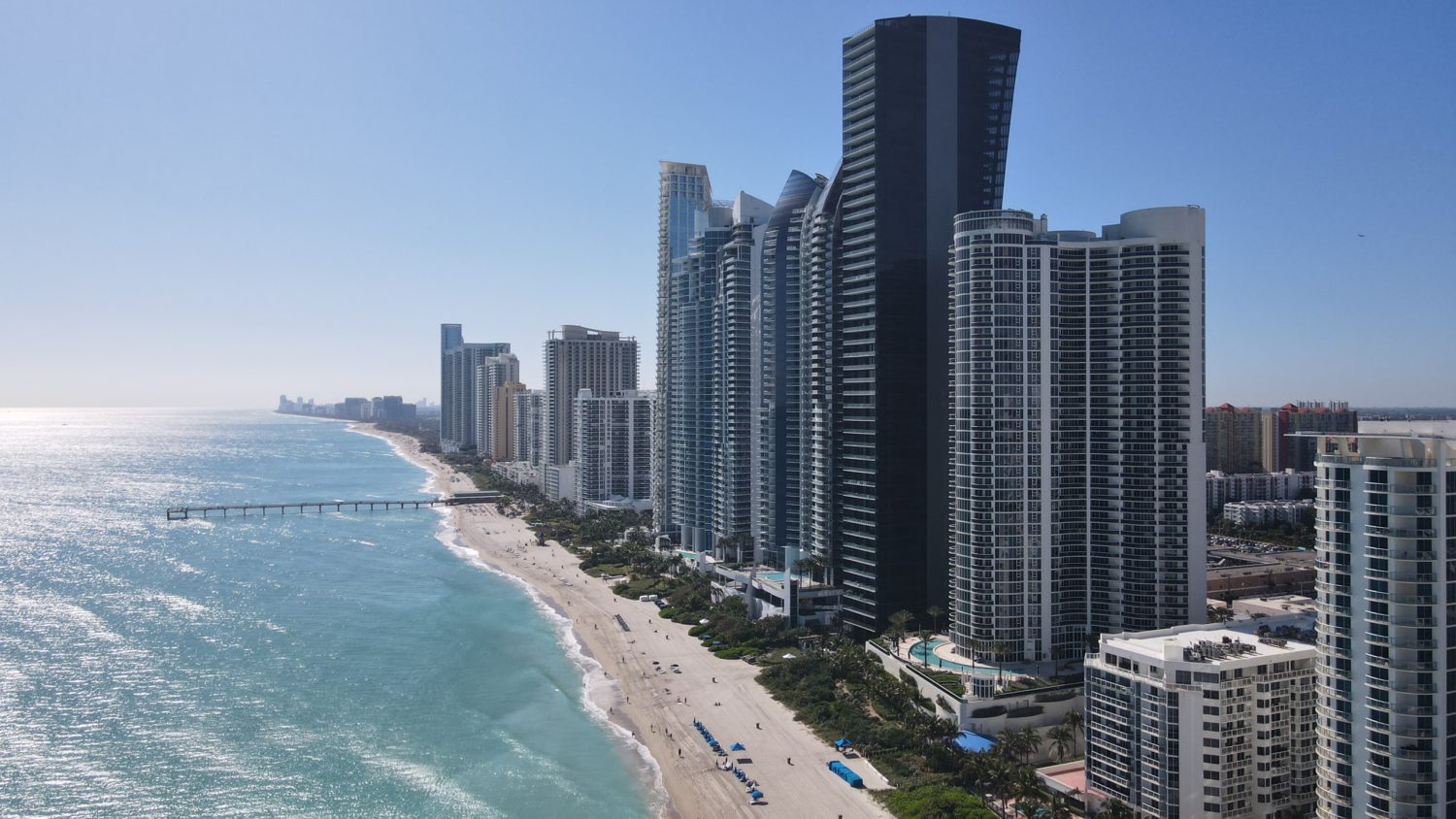
About four decades ago the most famous association Miami had with the world was its crime rate. Immortalised in the essential mid-80s cool of Miami Vice, with its titular stars Tubbs and Crocket, the Ferrari driving, Armani clad, undercover narcotics agents, the stylised crime rate proved to be more an attraction than a hindrance. Miami appeared exciting and entertaining, but the reality at the time was more problematic.
Miami is no longer simply one of the most beautiful beaches in the world. It is a cosmopolitan and diverse city, where art pervades every aspect of life, from culinary to street to urban and ocean regeneration. There is a reason that Miam was chosen as the US host of Art Basel. It is also the second most popular urban area for tourists in America, after New York. It’s not just the climate, although it is always warm and sunny (with the odd hurricane), but whatever interests you in terms of the arts, you can find it there.
This year, from October 1 to December 7, the city debuted the Fall for the Arts programme, a three-month cultural celebration that reinforces Greater Miami and Miami Beach’s role as one of the world’s leading destinations for art and culture. These days Miami is a city of continued renewal and regeneration. Led by the art scene, Miami has come to symbolize what is possible with imagination and a commitment to artistic endeavours in all forms. About the time Miami Vice was airing on TV screens in homes across the world, the city was starting to evolve as an epicentre for the arts.
Urban regeneration, that started in South Beach and continues today in Wynwood, was led by a wish to conserve and promote the city’s cultural heritage. The Art Deco district on Ocean Drive was initially developed in the 1930s and 1940s, after the hurricane of 1926, the area by the late 1970s was run down where most of the hotels were inhabited by elderly people wishing to escape the northern winters.
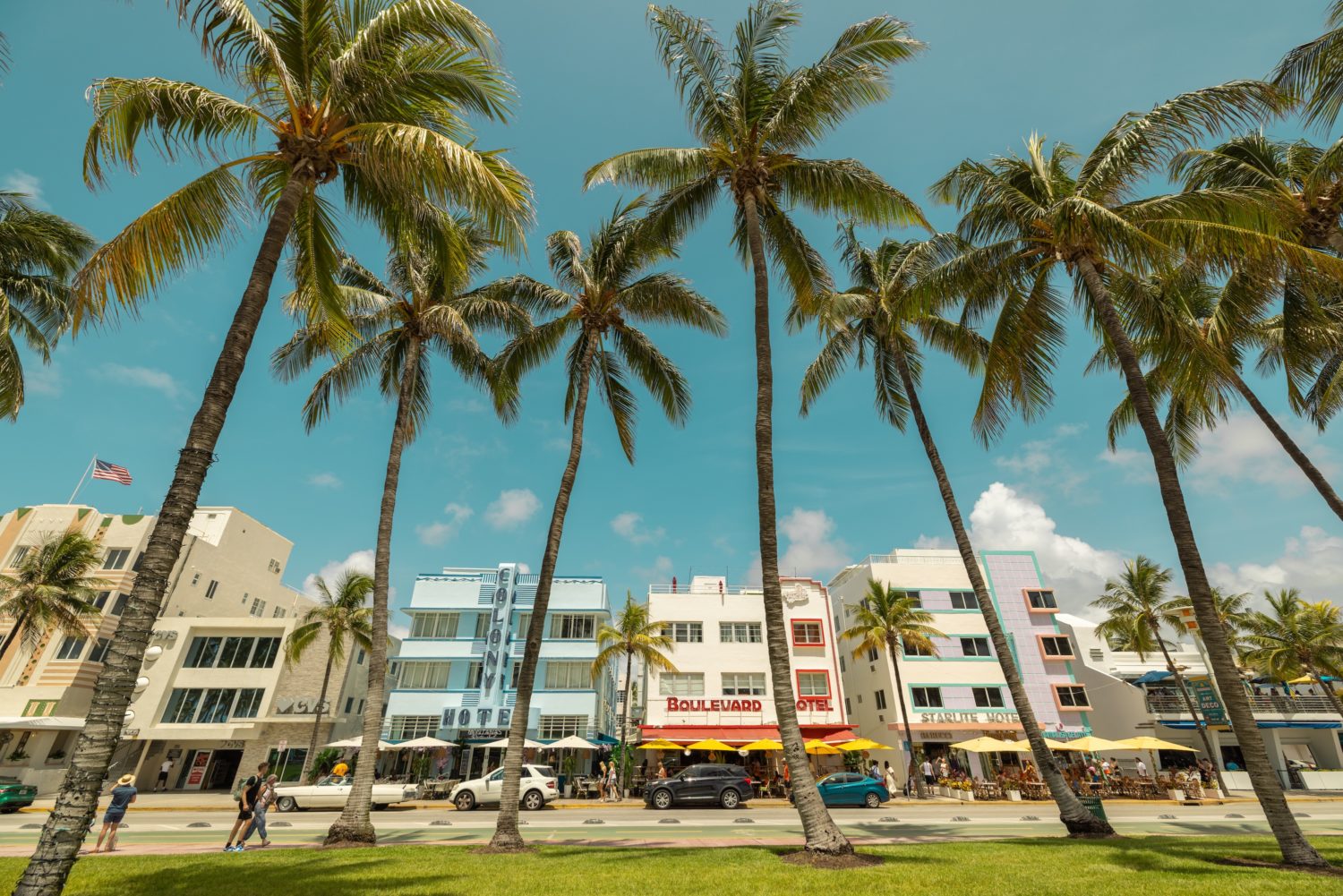
The movement to preserve Miami’s Art Deco architecture was started by Barbara Capitman, a community activist and the co-founder of the Miami Design Preservation League (MDPL) in 1976, and by 1979, the Miami Art Deco District was listed on the National Register of Historic Places. What was once a street of unloved and unwanted hotels is now the provenance of celebrities and high wealth owners. Gloria Estevan (of the 1980s Miami Sound Machine fame) presides over the streamline moderne styled Cardozo Hotel, and who also has the adjacent street named in her honour.
Helmed by the Miami Art Deco Museum, that also sits on Ocean Drive, the hotels face the sea, the sunrise, and are resplendent in their softened pastel colours. The Betsy, at the northern end of Ocean Drive, is widely known as a world-leading literary hotel. It offers jazz nine times a week, classical music pop-ups, major art exhibitions, poetry readings, and a renowned artist residency programme. The Betsy’s hospitality motto is “Expect no more. This is Happiness.”; words penned by poet Hyam Plutzik who was father of the current owner, Jonathan Plutzik.
Wynwood, otherwise known as the Arts and Entertainment District, was rundown at the end of the 1990s, with the closure of the Omni International Mall and the Sears department store having seemingly sealed the area’s fate. Art started to appear on the blank canvass walls of the large urban structures. At first a mish mash of different styles, but the artistic content was clear. The murals and themes added colour to the blandness of the generic structures.
As the area revived, rather than remove the heritage, a different type of art museum was founded. Wynwood Walls celebrates the street art that came to life in this part of Miami. Now an area teeming with residential high-rise, and local latino eateries, Wynwood is a repository of celebrated artists wall art. Located in a large block’s worth of both outdoor and indoor space, with work on a grand scale by artists such as Shepard Fairey and Elliot O’Donnell (known as Askew One). If the inspiration grabs you, there is a wall where, for a few dollars, you can find your inner street artist and let loose with spray paint on the spare surfaces.
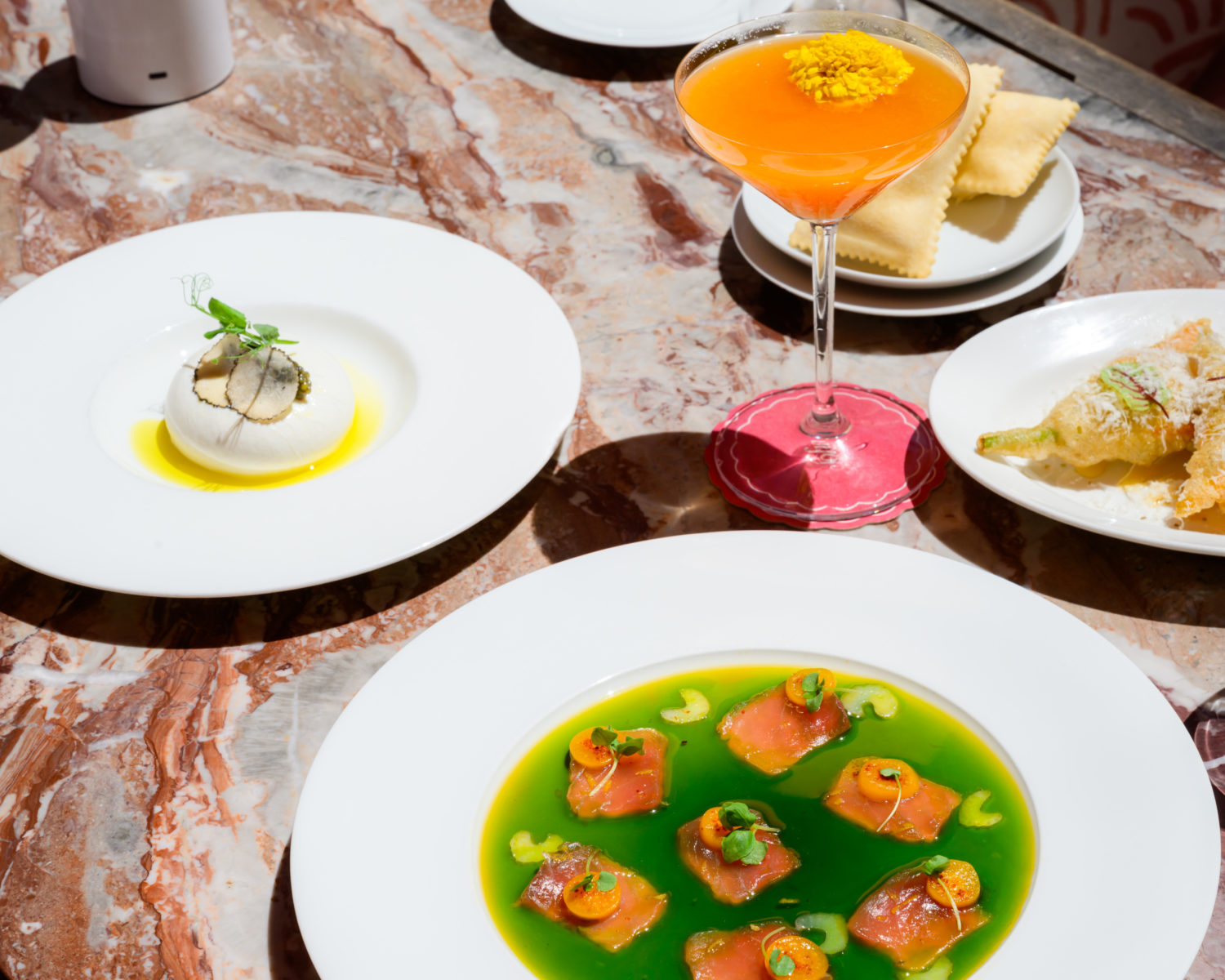
The Wynwood district also hosts some of the best local eateries in Miami. The city is what is known as a majority-minority city, with about 70 percent of the city’s population identifying as Hispanic and Latino. The quality and range of the local latino food is such that there are walking tours around the city that covers the art and rich history of the cuisine.
At the Biscayne Boulevard end of Wynwood, on the site of the old Sears department store, is the Adrienne Arsht Center for the Performing Arts. Interestingly, the contemporary building retains the tower to the old Art Deco Sears structure as a way to preserve the heritage of the site. Started in 2006 as the Carnival Center for the Performing Arts, it was a large endowment from Adrienne Arsht that enabled it to run independently. It is one of the largest performing arts centres in the U.S., and presents artists from around the world, with innovative programming from its three resident companies and local arts partners. The Arsht, as it is affectionally known locally is home to the Florida Grand Opera, Miami City Ballet, and the New World Symphony. The three companies offer innovative programmes throughout the Fall for the Arts festival.
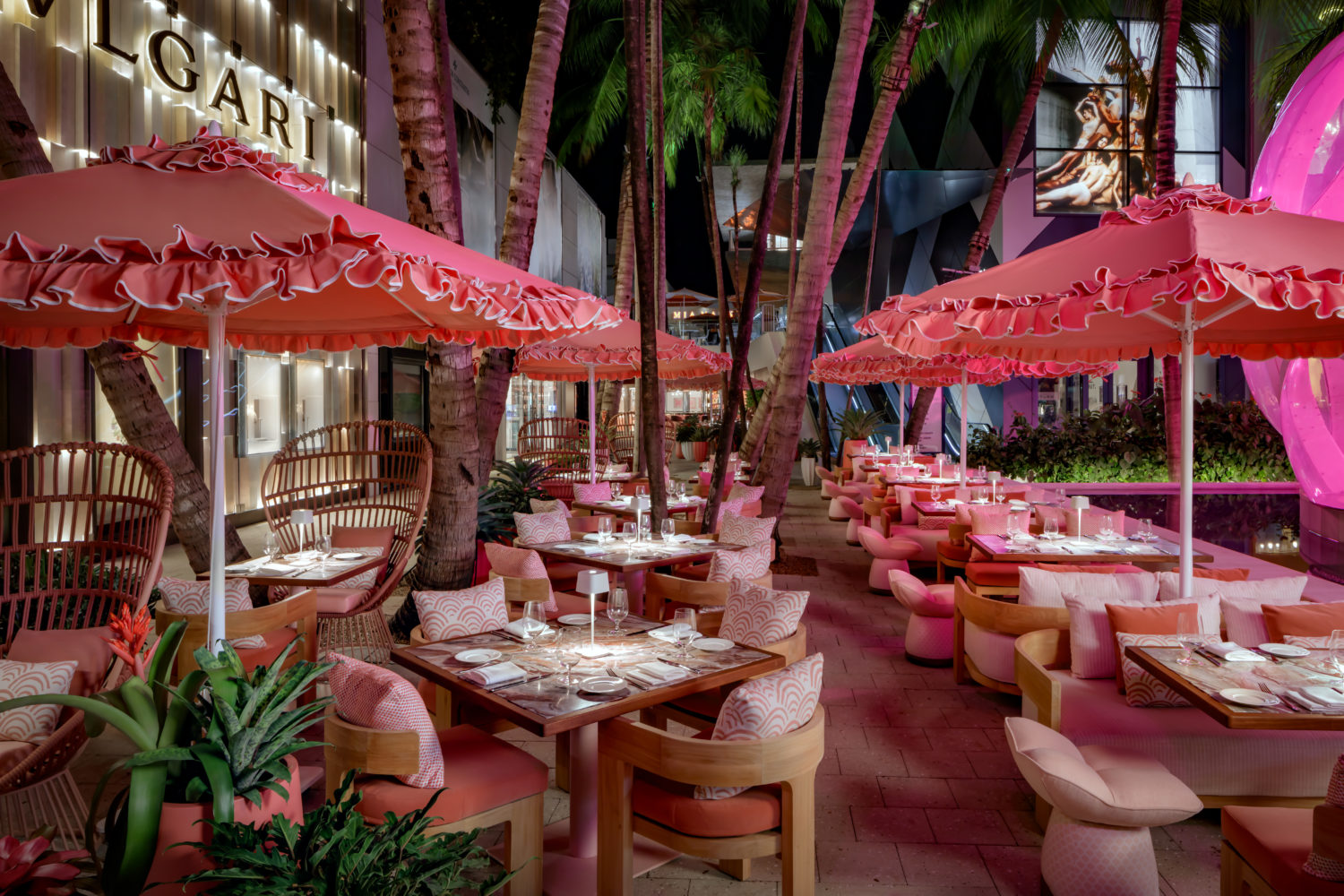
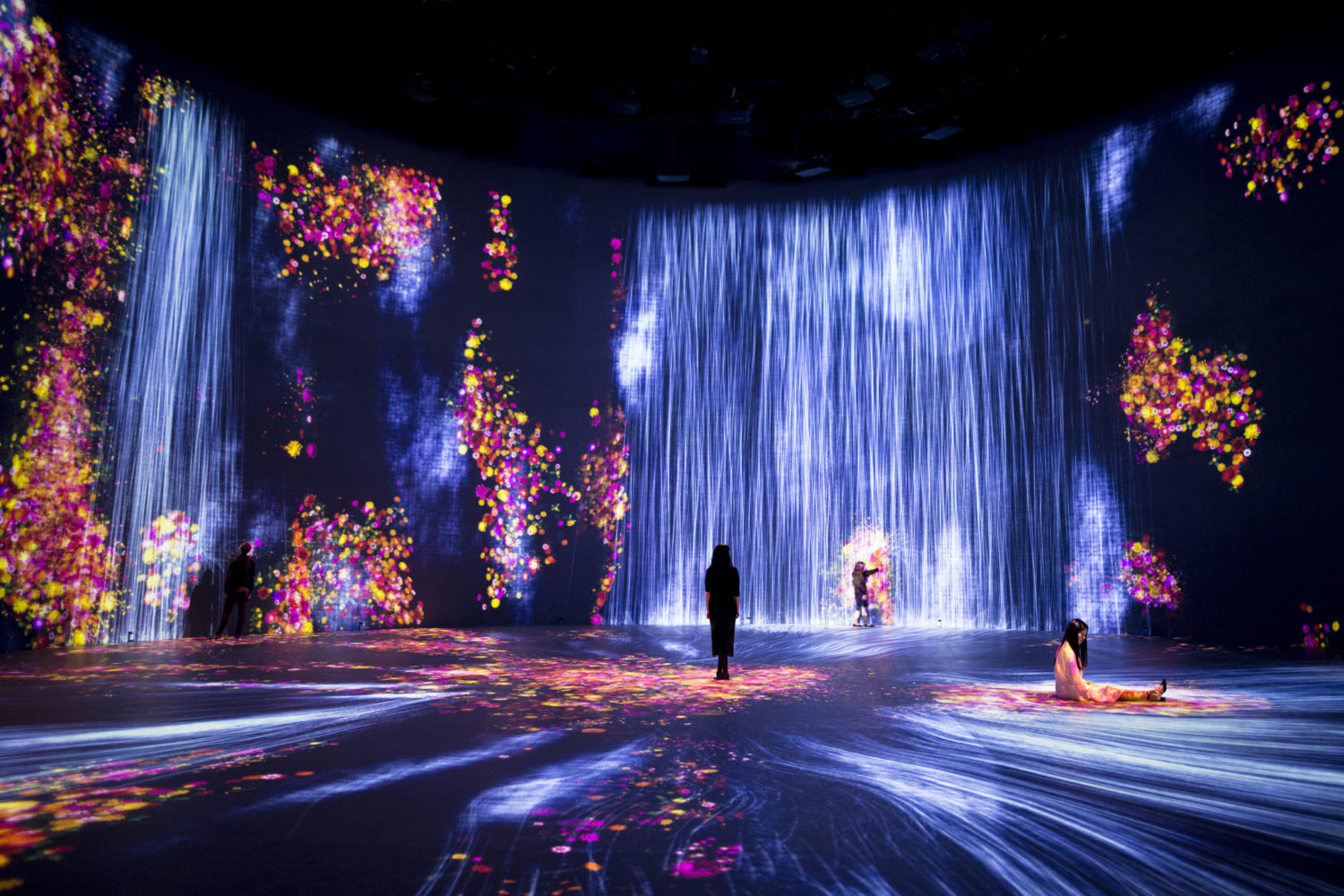
The city also hosts a total of 23 innovative and imaginative art museums and foundations. From the futuristic Superblue Museum, with its immersive art experiences, featuring a mirrored labyrinth by Es Devlin, a transcendent digital environment by teamLab, and an enveloping light-based Ganzfeld work by James Turrell. Across the road in the same Allapattah neighborhood is the Rubell Museum, home to one of the most significant and far-ranging collections of contemporary art in the world, featuring works by artists that include the likes of Jean-Michel Basquiat, Cecily Brown, Keith Haring, Jeff Koons, and Cindy Sherman.
In Miami Beach itself, two museums, both private and distinctly different, housed in historic buildings, stand out. The Bass Museum exhibitions of contemporary art by incorporating disciplines of culture, such as design, fashion and architecture within them. The Wolfsonian-Florida International University (FIU) celebrating its 30th anniversary is one of the largest American university art collections devoted to design, propaganda and the decorative arts. Artifacts that transformed the world from 1850 to 1950.
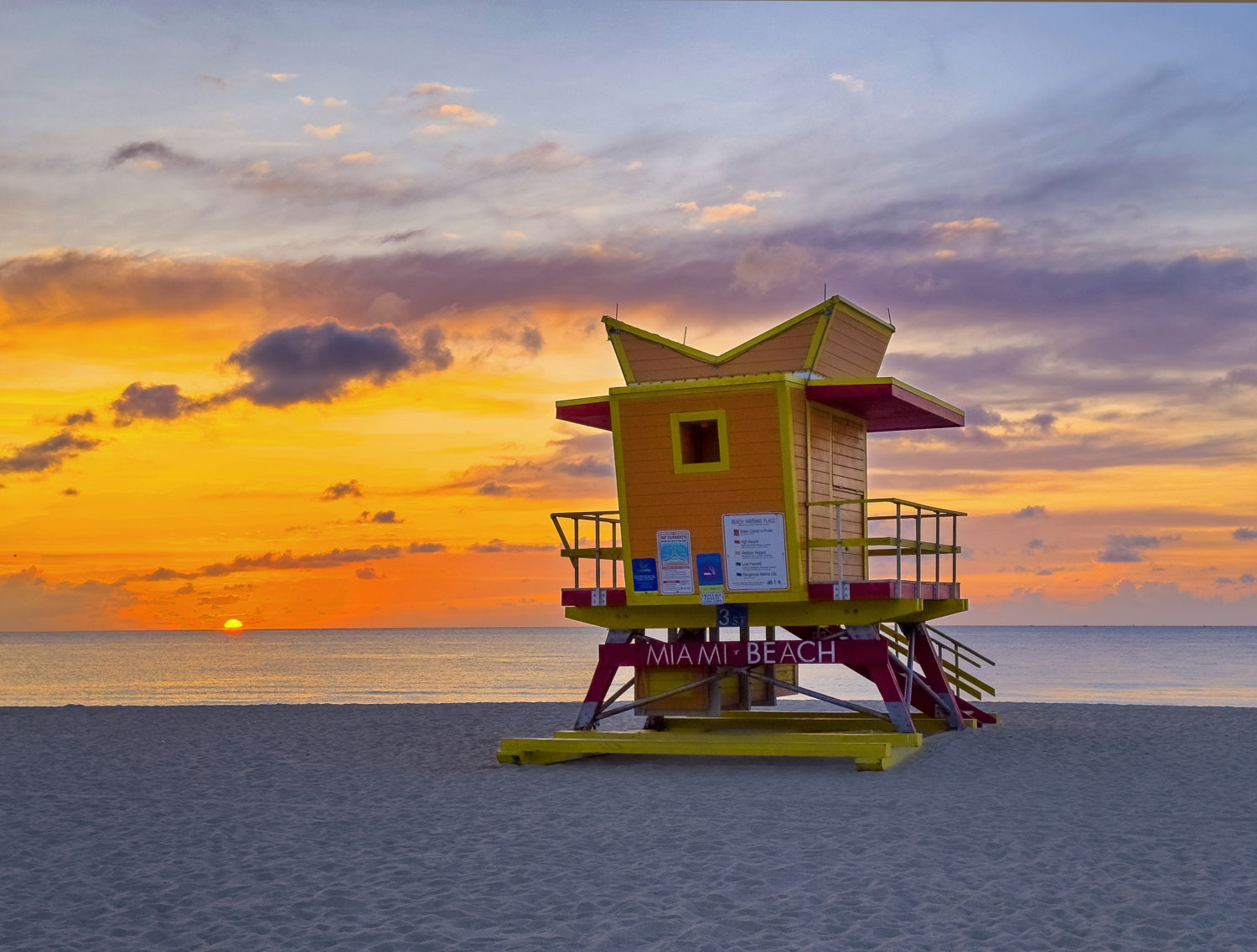
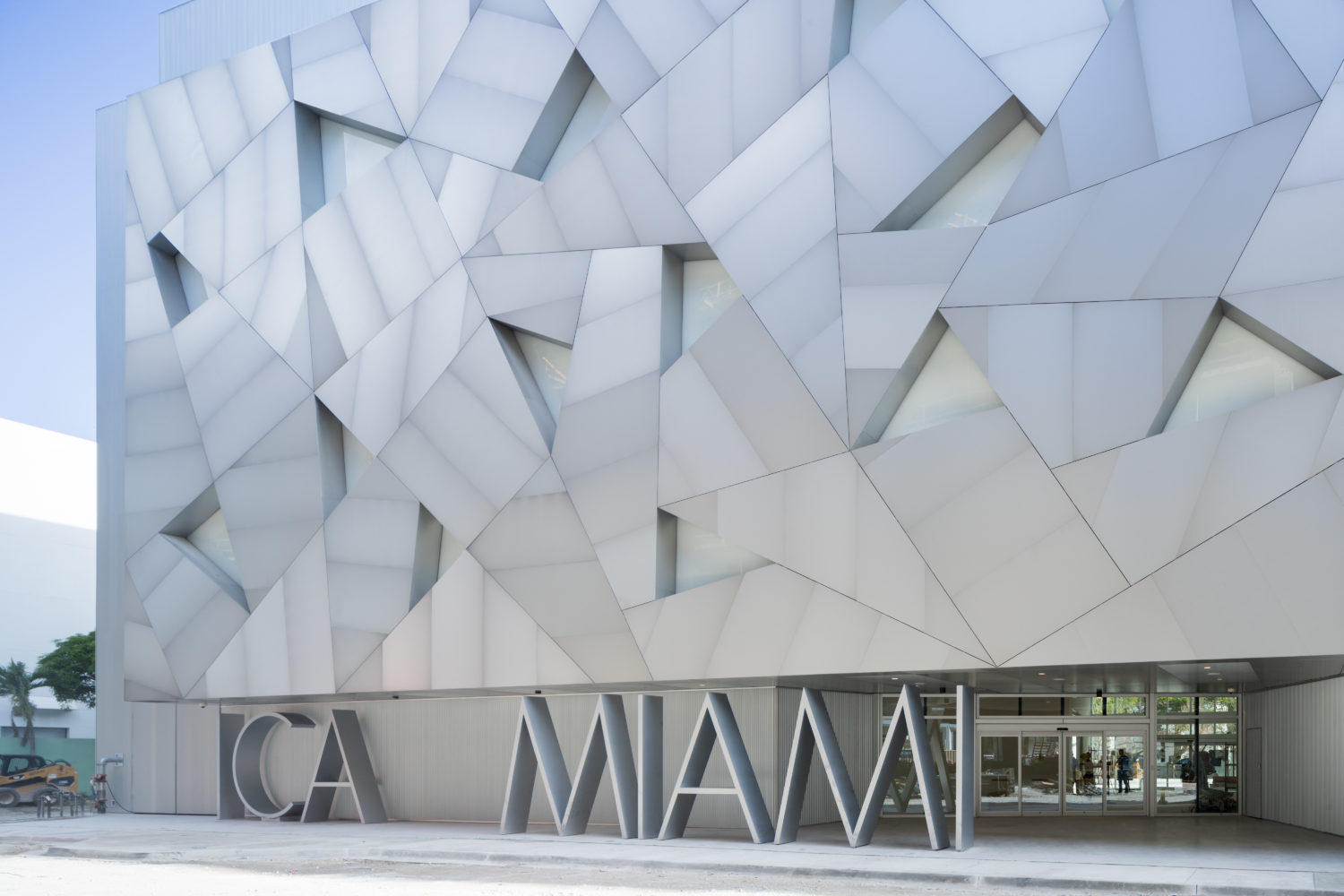
Finally, in the Design district, the Institute of Contemporary Art (ICA) Miami was set up to promote continuous experimentation in art and ideas. Art in all forms pervades Miami life, not just in the establishment of centres for performance, or installations of modern art, but equally for the beach and the ocean that first brought people to this part of Florida. REEFLINE is a pioneering underwater sculpture park and hybrid reef, where art is being used as a tool for change. Each sculpture provides a structure for marine flora and fauna to attach and grow, becoming a magnet for fish and biodiversity. Visitors can swim to the vibrant underwater world directly from shore.
Miami is far removed from its emblematic Miami Vice backdrop. The art scene truly does offer something for everyone, from culinary to contemporary, from dance to diving. Sonny Crockett’s quip that “Hate waiting, feel like a character in a Becket play.” Where his partner retorts “ Since when do you know Becket?” and he replies “ Charlie Becket, works down the shoeshine, writes plays on the side.” would be lost in today’s environment. Even Tubbs and Crockett would fall for the art they love in Miami.
Places to Stay
Places to Eat
Fall for the Arts Venues