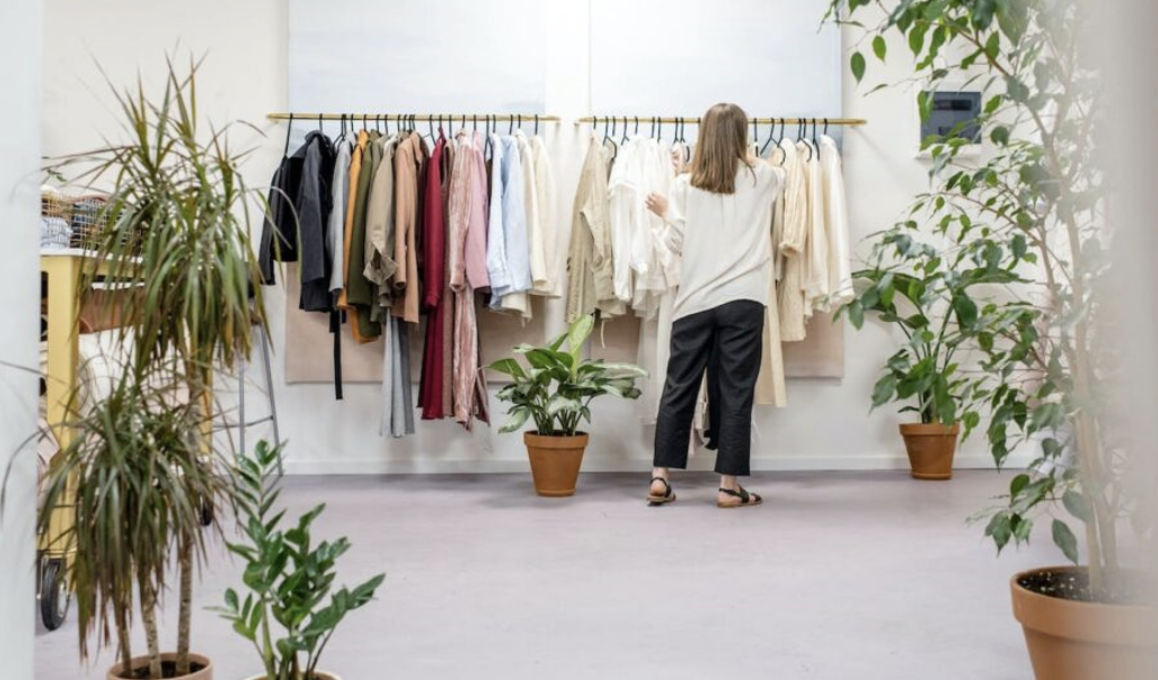
Every day, people make countless decisions about what to wear. From shoes to outerwear, these choices may seem simple, but they reveal much about who we are. At the heart of these choices is fashion taste—an individual’s sense of aesthetics and judgment that guides how we present ourselves. Fashion taste goes beyond fleeting trends and reflects a deeper understanding of beauty, harmony, and personal identity.
Understanding Fashion Taste
Fashion taste is not simply about clothes or trends; it is about the ability to recognize what looks appealing, refined, and appropriate. While fashion represents the current popular trends and style is how we interpret those trends personally, taste is the guiding principle behind these choices. It is the lens through which we judge quality, elegance, and visual harmony.
Fashion taste is highly personal. It is shaped by culture, upbringing, experiences, and even the way we perceive colors, textures, and shapes. People with strong fashion taste tend to select clothing that resonates with their values and identity, rather than following trends blindly. It is an expression of self-awareness and sophistication.
Taste vs Style vs Fashion
While often used interchangeably, taste, style, and fashion are distinct concepts:
- Fashion is the set of trends and looks that dominate a particular time period. It is constantly changing and often influenced by designers, celebrities, and media.
- Style is the unique way an individual interprets fashion. It is a personal signature reflected in how clothes are chosen, combined, and worn.
- Taste is the underlying judgment that informs both fashion and style. It is the ability to discern quality, elegance, and harmony, remaining consistent even as trends come and go.
Taste is what sets apart a person with refined sensibility. It governs decisions beyond clothing, extending into lifestyle choices, design, and even personal surroundings. While style evolves over time, taste forms a stable foundation for aesthetic decision-making.
How Fashion Taste Develops
Fashion taste is a combination of intuition and cultivation. Some individuals show a natural affinity for aesthetics from a young age, paying attention to how different elements work together visually. For others, taste is developed over time through exposure to art, culture, travel, and varied experiences.
Refined taste often emerges when people begin to recognize patterns in what appeals to them, such as particular colors, textures, or cuts. With time, these preferences consolidate into a personal aesthetic. Developing taste involves cultivating sensitivity to details, learning to identify quality, and understanding how certain combinations evoke emotion and harmony.
Taste in Fashion Today
In modern fashion, taste plays an increasingly significant role. Many consumers are moving toward minimalism and understated elegance, valuing craftsmanship, subtlety, and timeless design over loud logos or overly trendy items. This approach demonstrates how fashion taste can exist independently of current trends, highlighting quality and proportion rather than novelty.
Good taste is not dependent on expensive clothing. A well-fitted garment, even a simple one, often creates a more striking impression than a flashy, poorly designed outfit. Thoughtful choices in proportion, texture, and fit reflect discernment, showing that true fashion taste is about understanding what works rather than simply following what is popular.
Taste also involves context. Dressing appropriately for occasions, settings, or cultural norms is a sign of refined judgment. Someone with fashion taste is aware of how their attire communicates respect and awareness, balancing personal preference with social awareness.
Why Fashion Taste Matters
In a world dominated by fast fashion and social media, cultivating fashion taste is a powerful way to express individuality. Making deliberate choices that reflect personal values fosters authenticity and confidence, as people feel aligned with their self-presentation rather than dictated by trends.
Fashion taste also encourages more sustainable practices. When individuals prioritize quality and longevity over fleeting trends, they naturally reduce waste and value garments that last. This approach supports both a refined personal wardrobe and a more environmentally conscious approach to fashion consumption.
Conclusion
Fashion taste is more than a preference for certain styles—it is an aesthetic compass guiding how we interact with the world. It shapes decisions, communicates identity, and anchors personal style. By distinguishing taste from style and fashion, we see that elegance comes not from following trends but from thoughtful, intentional choices. Developing fashion taste means cultivating an awareness of quality, proportion, and harmony, resulting in a personal expression that is timeless, authentic, and uniquely individual.