Every room tells a story through the items placed inside it. You might not notice it at first, but the height of a chair or the softness of a rug changes how you feel.
Choosing the right pieces helps a space feel balanced and welcoming. Small changes in layout or material can make a huge difference in your daily comfort.
The Power Of Color And Texture
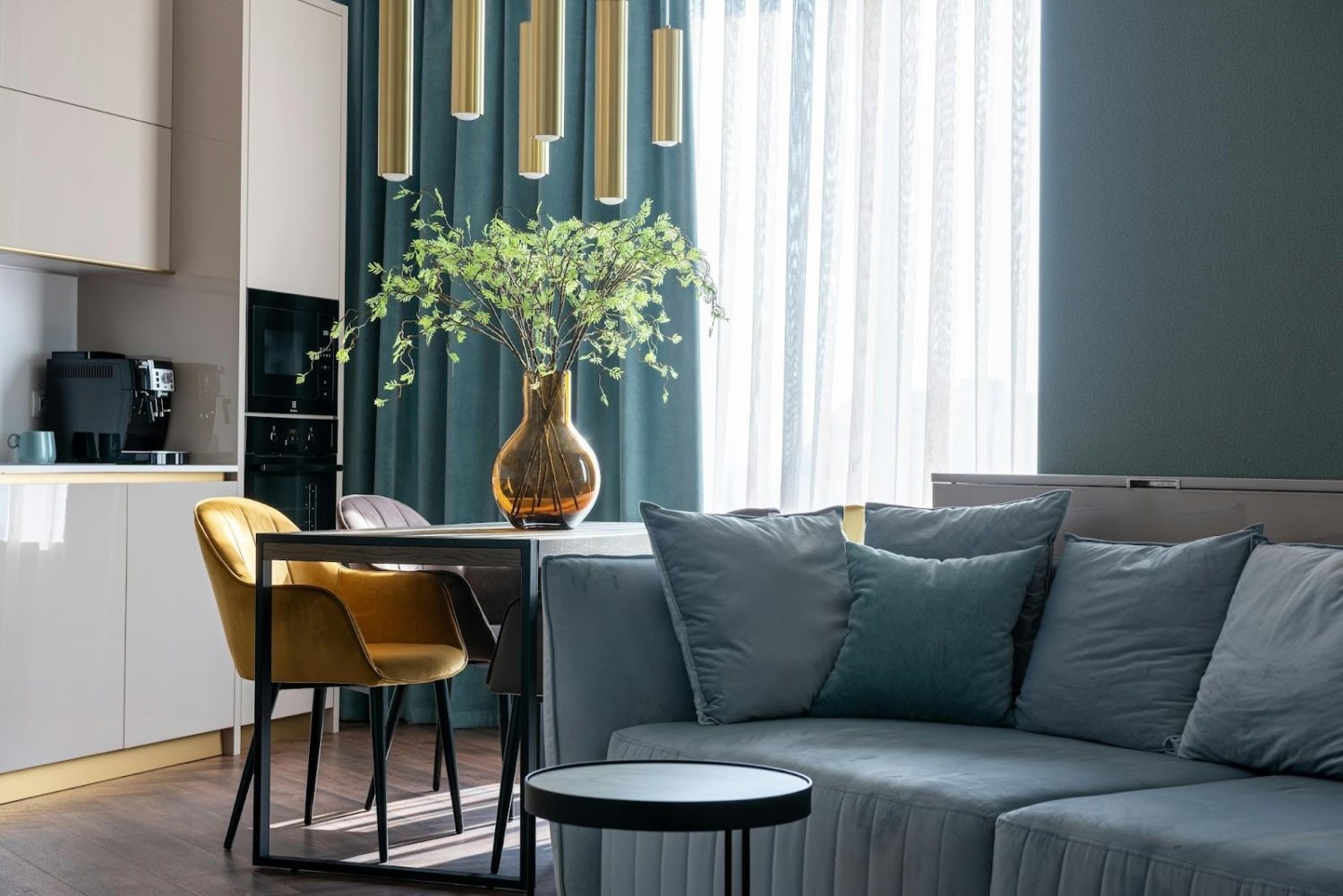
Colors change your mood as soon as you walk into a room. Darker shades can create a sense of mystery or calm, while lighter tones help a tiny area look larger. Certain colors make a space feel energetic, while others help you wind down after a long day.
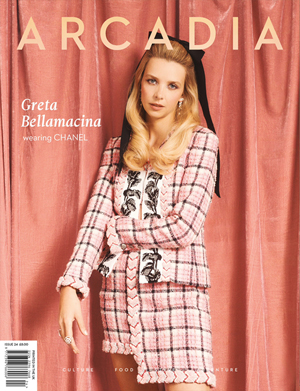
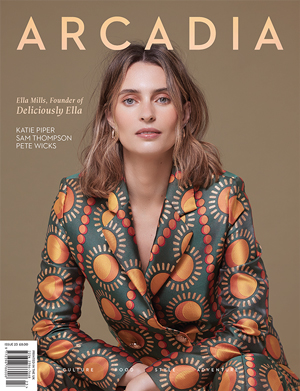
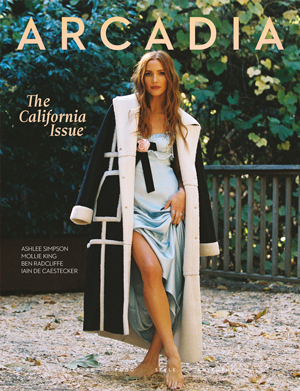
One popular design magazine suggested that a single velvet chair in a deep green or earthy red can refresh a room’s energy immediately. It allows for a total mood shift without needing to repaint every wall.
Mixing different textures like metal and wool adds depth to a flat space. It invites people to touch and interact with the environment around them. Adding a soft throw blanket over a sleek leather sofa creates a nice contrast that looks and feels great.
Finding Comfort In Flexible Layouts
Living spaces today need to work for many different activities throughout the day. A room might be a home office in the morning and a place to watch movies at night. Having furniture that moves easily makes transitions much smoother for everyone.
Flexibility makes it easy to move things around when guests arrive or when you want to lounge. Adding soft bean bag seating allows for a relaxed atmosphere that harder furniture cannot provide. You can quickly clear a path or create a cozy circle for conversation.
Keeping 90 to 100 cm of space between large items helps people move freely. A clear path prevents a room from feeling or looking cluttered. Rearranging your current items can completely change the social dynamic and flow of your home.
Incorporating Vintage And Rare Finds
Modern furniture often looks clean, but it can sometimes feel a bit cold. Bringing in items from different eras gives a home a sense of history and character.
An article noted that there is a growing respect for vintage and rare items in home design. Unique pieces are now considered a form of luxury since they are hard to find. They offer a break from the mass-produced styles seen in every other house on the block.
Shopping at local markets or second-hand shops can lead to great discoveries. These items often have better craftsmanship than products found in big stores for $500 or more. A vintage side table or an old lamp can be a great conversation starter for guests.
Creating Meaningful Spaces
Every object in your home should have a reason for being there. It is not just about filling up empty corners with random decorations. A thoughtful approach ensures that your surroundings reflect your personality and interests.
A leading garden and home publication explained that storytelling is the most important part of good design. Beautiful things are nice to look at, but they should mean something to the person living there.
Displaying items from your travels or family gifts creates a personal connection. This makes a house feel like a home rather than a furniture showroom. Your home should be a collection of things you love rather than a list of current trends.
Maximizing Small Areas With Smart Choices
Small rooms do not have to feel tiny if you pick the right furniture. Using pieces with legs shows more of the floor and tricks the eye into seeing more space. A simple trick makes a heavy sofa look like it is floating, which lightens the whole room.
Glass tables or acrylic chairs help too, since they do not block the line of sight. You can have all the utility you need without the visual weight of heavy wood. Light passes right through them, which keeps the area feeling open and airy.
Consider these options for tighter spaces:
- Wall-mounted shelves to keep the floor clear.
- Nesting tables that tuck away when not in use.
- Mirrors are placed opposite windows to bounce light.
The Impact Of Natural Materials
Bringing elements from the outside in can help lower stress levels. Wood, stone, and cotton bring a grounded feeling to an indoor setting.
Natural wood grains provide a pattern that looks organic and soft. These materials age well and often look better as they get older. Light reflects differently on natural surfaces compared to plastic, giving the room a softer glow.
Using plants alongside materials completes the look. Greenery adds life and improves the air quality in the places where you spend the most time. A few potted ferns or a tall fig tree can make a room feel lush and peaceful.
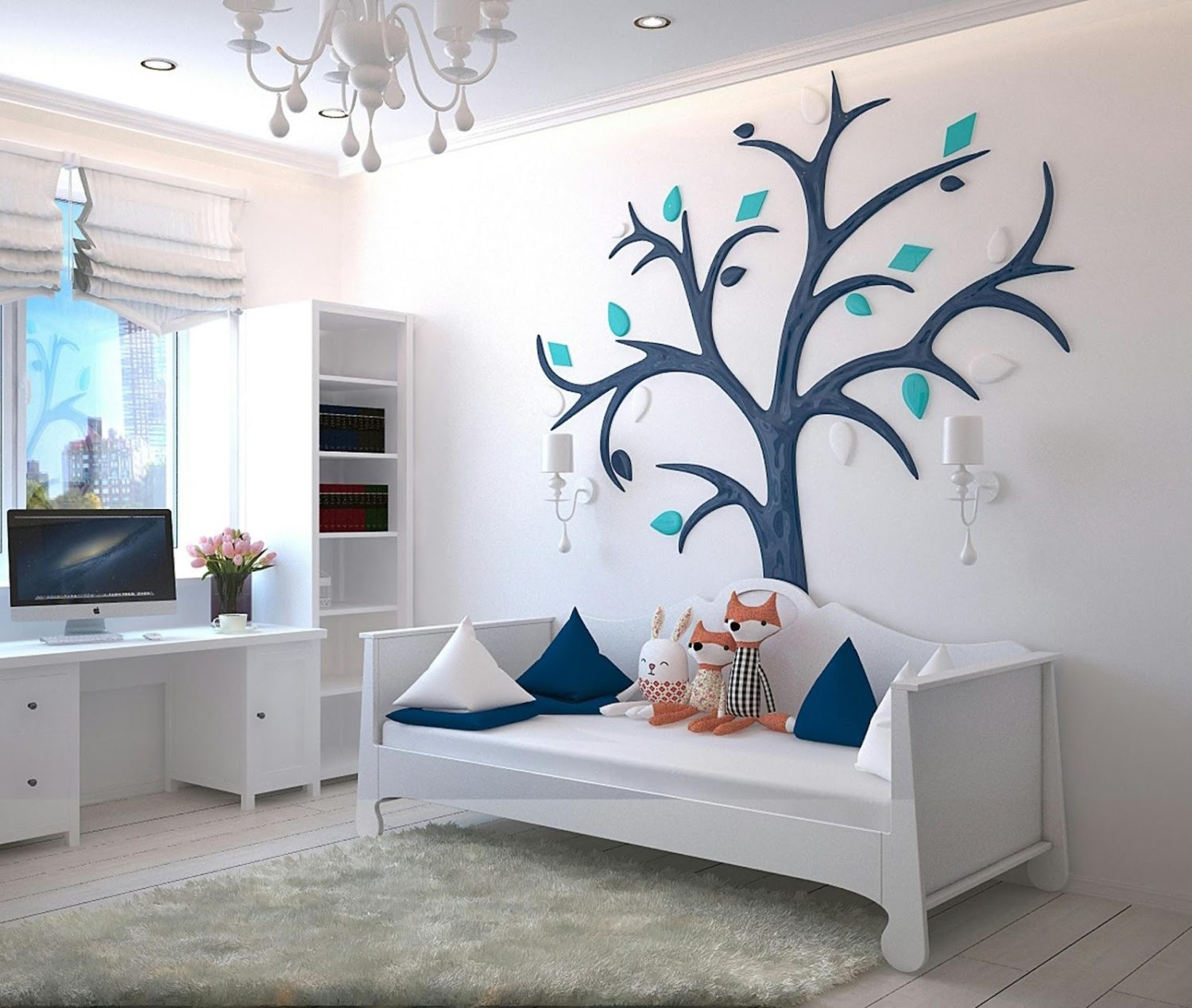
Designing a room is a journey that changes as your tastes grow. Focus on how a piece makes you feel rather than just how it looks on a website.
Take your time to find the right balance of comfort and style. Your home is your sanctuary, so make it a place where you truly love to spend your time.