There are few journeys in history that possess the same mythical allure as the original Orient Express route to Constantinople. It was more than a railway line; it was a moving theatre of aristocrats, artists, diplomats and dreamers crossing continents beneath the glow of velvet lamps and polished brass. In 1883, when the Orient Express first reached the city now known as Istanbul, it transformed travel forever, turning the act of movement itself into an art form. Now, almost a century and a half later, that legend begins anew.
On 22 October 2026, Orient Express will inaugurate the first international journey of the La Dolce Vita Orient Express with an extraordinary new route from Rome to Istanbul, a five-day, four-night passage that reimagines one of the most iconic voyages ever undertaken through the lens of contemporary Italian luxury.
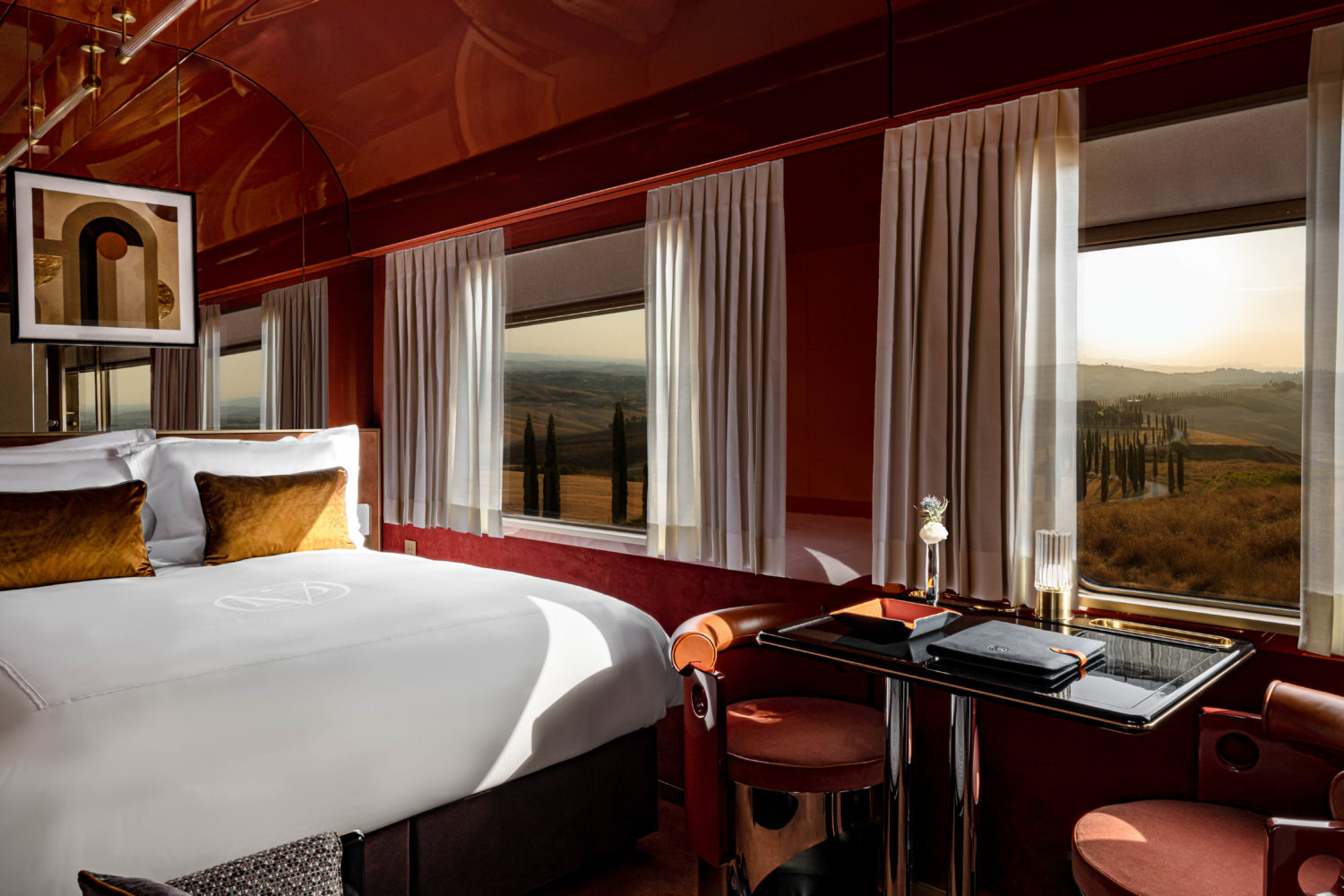
The experience begins at dusk in Rome. As the city softens into evening and the golden glow of streetlamps spills across ancient stone facades, La Dolce Vita Orient Express departs the Eternal City and glides northwards through the Italian countryside. Inside, the atmosphere evokes the seductive glamour of 1960s Italy: lacquered surfaces, rich textures and softly lit interiors curated by Dimorestudio, where every carriage feels suspended somewhere between cinema and memory. This is not simply a train journey. It is a gradual surrender to slowness.
The first great pause comes in Venice, the historic threshold between Europe and the East. Guests step from the train into a city that has long existed in a state of beautiful illusion, marble palaces rising from water, silent canals flickering beneath fading light, the lingering echoes of merchants and explorers who once carried silk and spice westward from distant empires. A full day unfolds among hidden courtyards, Byzantine domes and candlelit dining rooms before the journey resumes eastward.
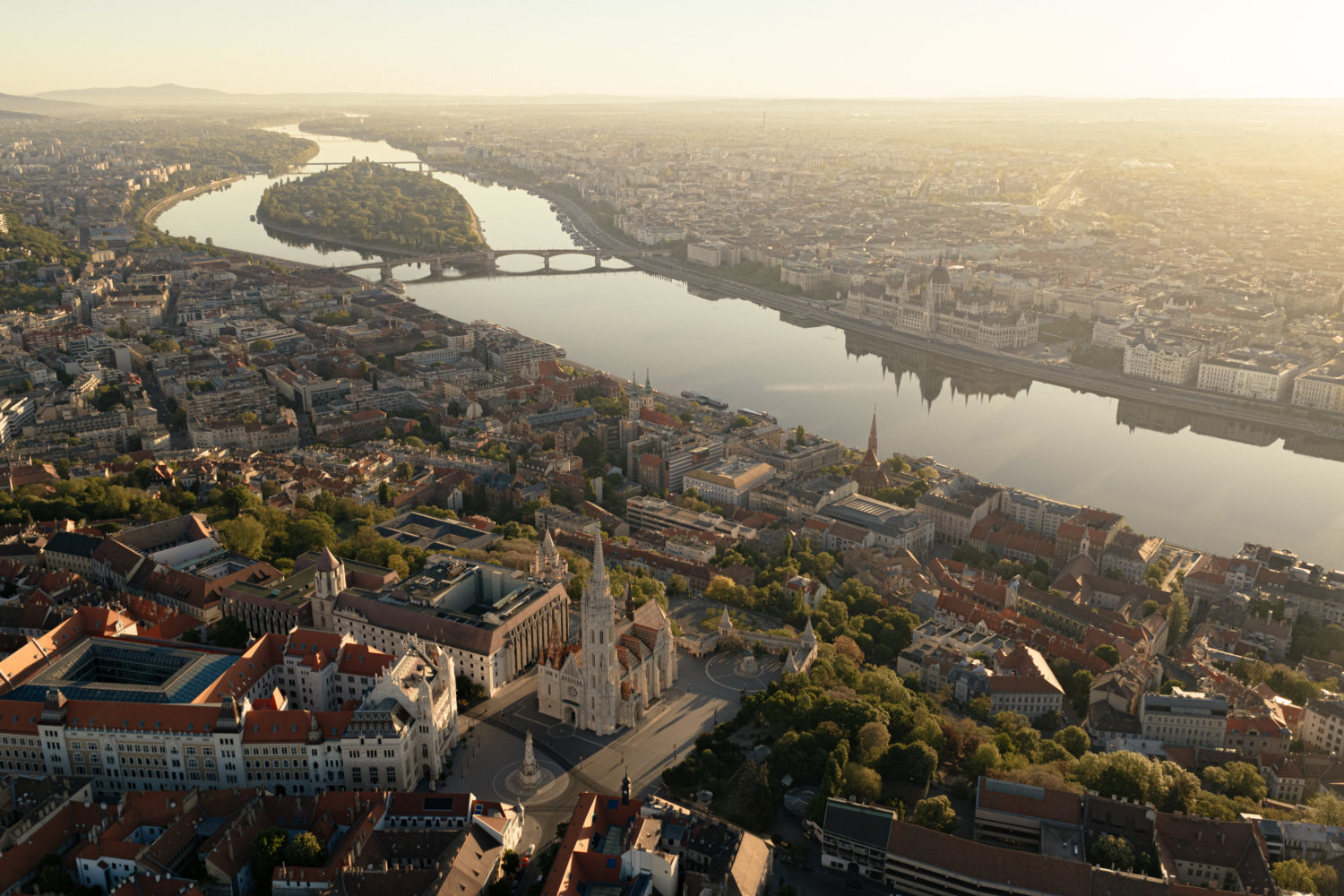
From there, the train travels into the heart of Central Europe, arriving in Budapest, where grand boulevards and imperial architecture recall the faded splendour of the Austro-Hungarian Empire. Beyond the Hungarian capital, the scenery shifts dramatically as the route winds through the Carpathian Mountains. Forested peaks, medieval towns and storybook castles emerge through the train’s panoramic windows as La Dolce Vita Orient Express passes through Brașov and Sinaia, regions where Europe’s aristocratic past still lingers in quiet mountain air and ornate facades.
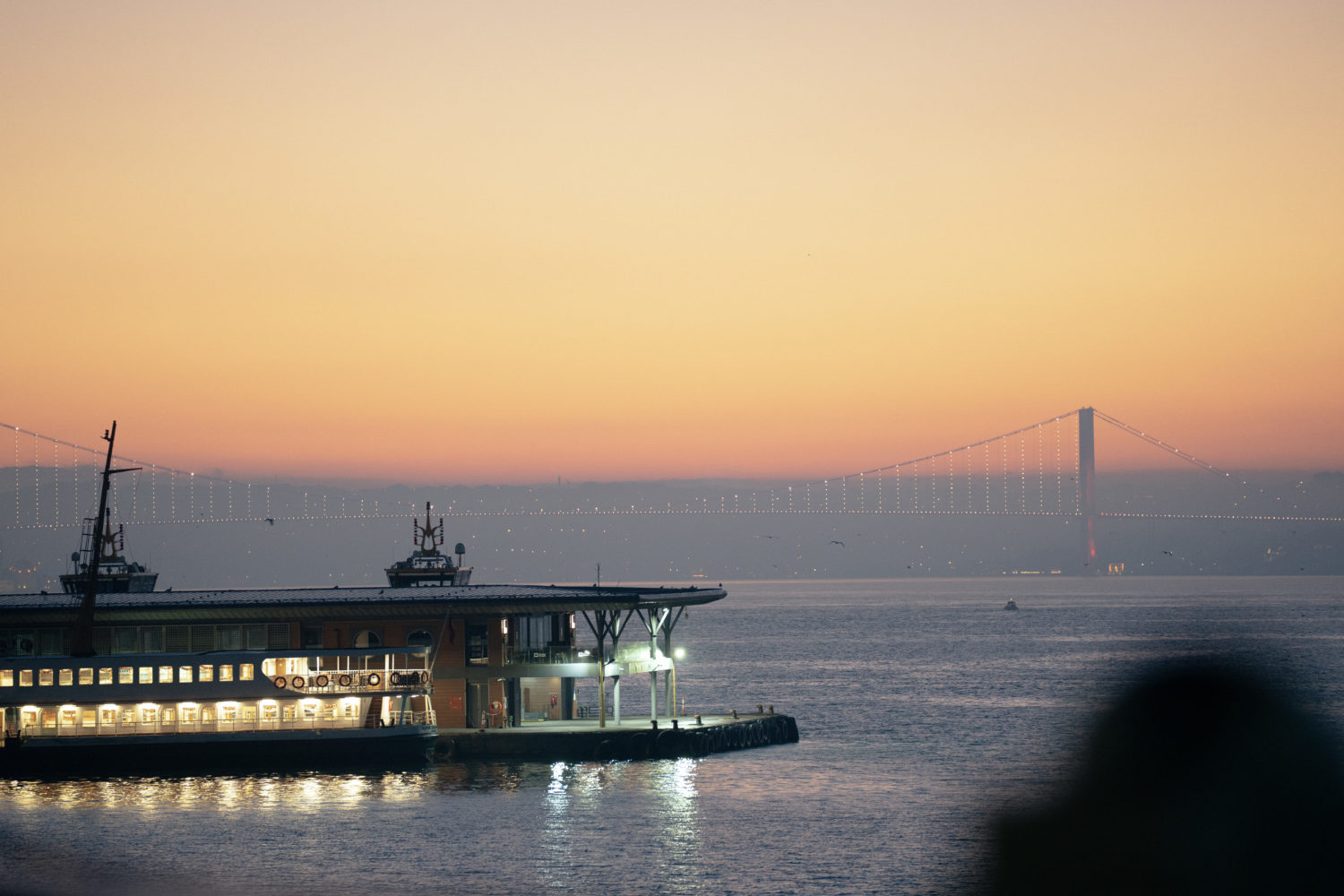
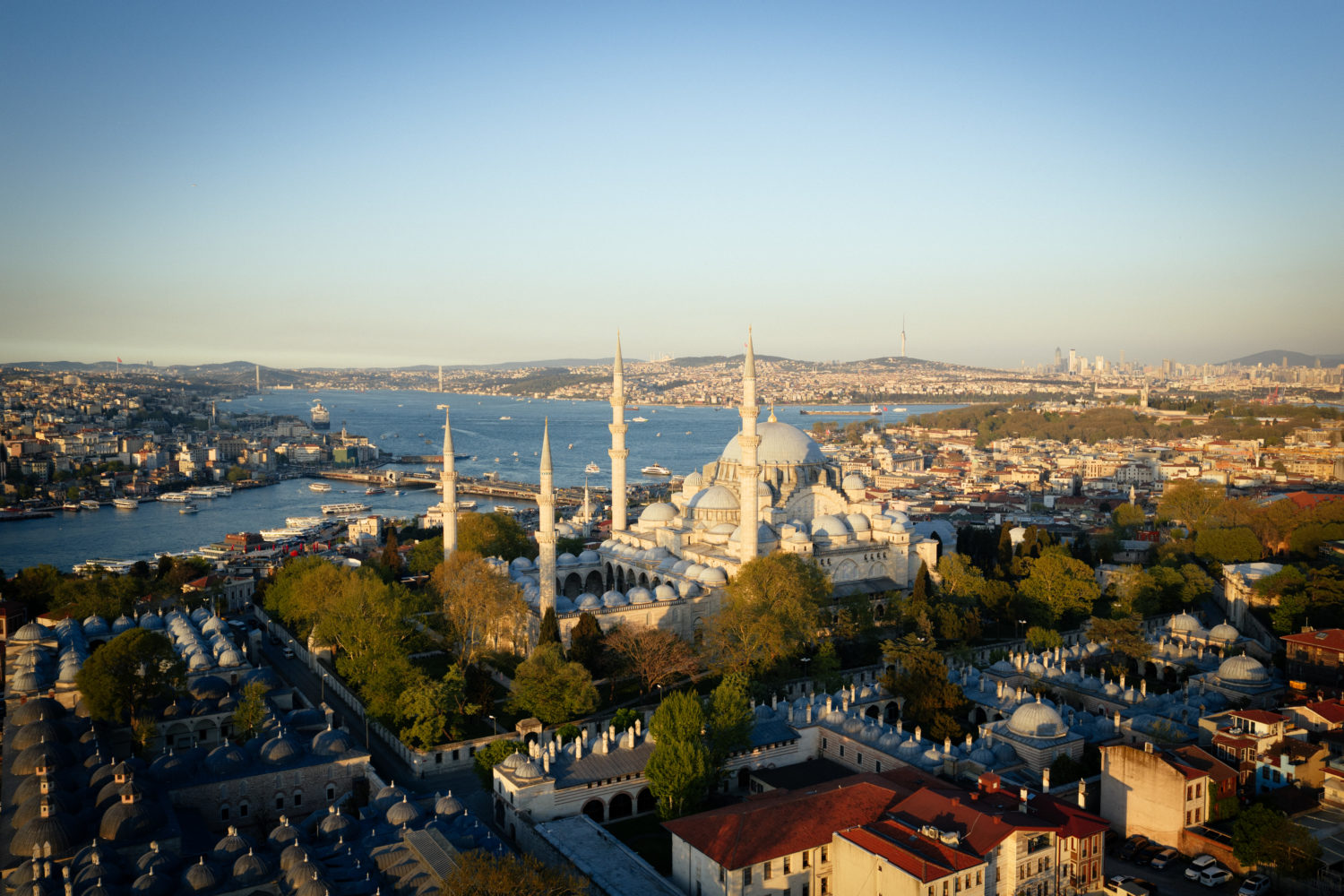
Then comes the crossing into Türkiye, the symbolic threshold where continents meet. The final arrival into Istanbul carries the weight of history itself. Minarets rise against the horizon, the Bosphorus glimmers between Europe and Asia, and the city that once captivated generations of Orient Express travellers reveals itself once again as a place suspended between worlds. Few destinations embody cultural convergence with such intensity, and few arrivals feel quite so cinematic.
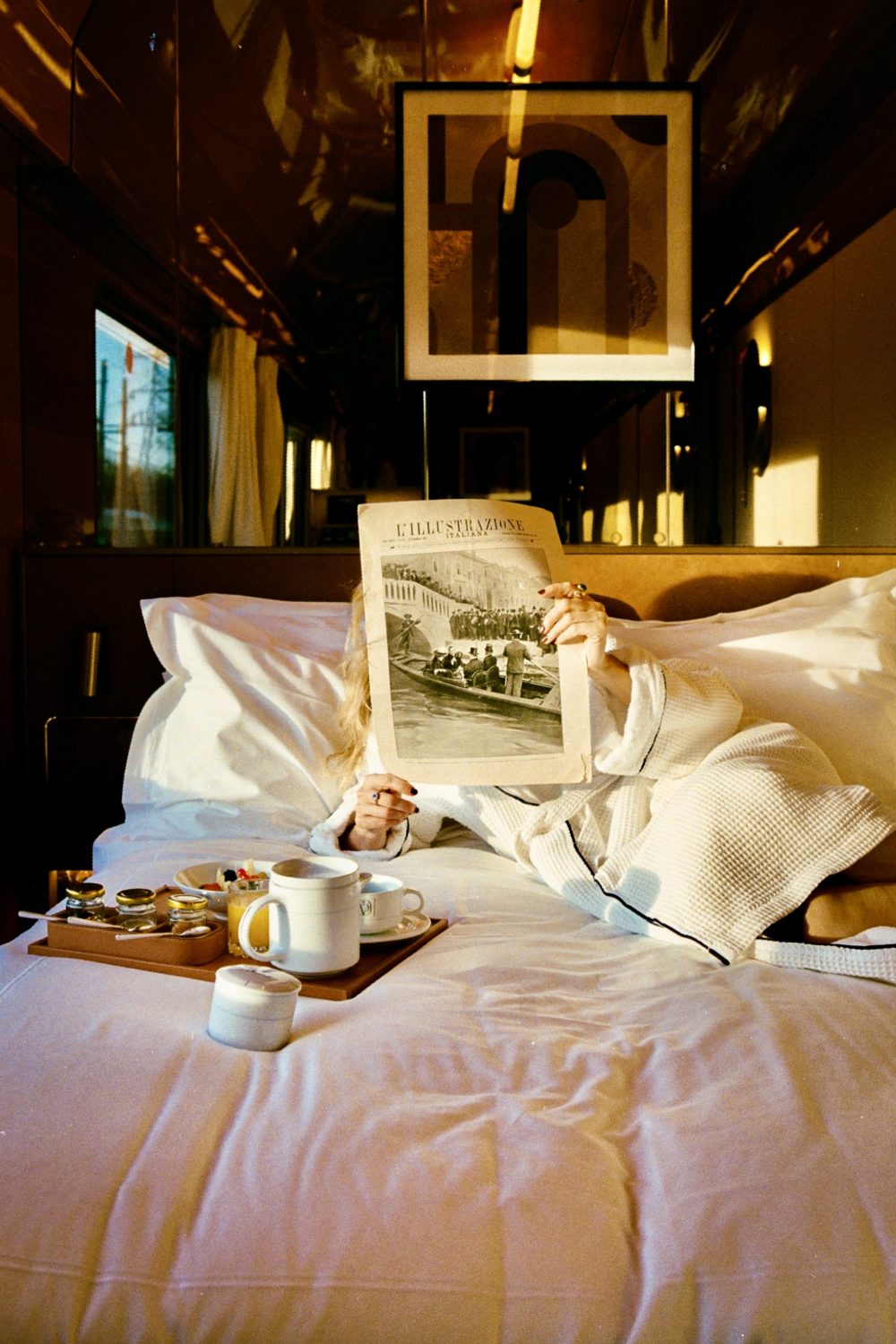
Yet the true luxury of this route lies not only in the destinations, but in the rediscovery of the journey itself. In an age defined by speed, La Dolce Vita Orient Express proposes something increasingly rare: time to observe, reflect and indulge in the romance of movement.
On board, Italian craftsmanship permeates every detail. The train’s 31 cabins, including 18 suites, 12 deluxe cabins and the singular La Dolce Vita Suite, pay homage to the artistic exuberance of post-war Italian design, while three-Michelin-starred chef Heinz Beck curates a gastronomic experience that celebrates Italy’s culinary heritage with contemporary refinement. Menus evolve alongside the landscape, transforming dinner into another stage of the voyage itself.
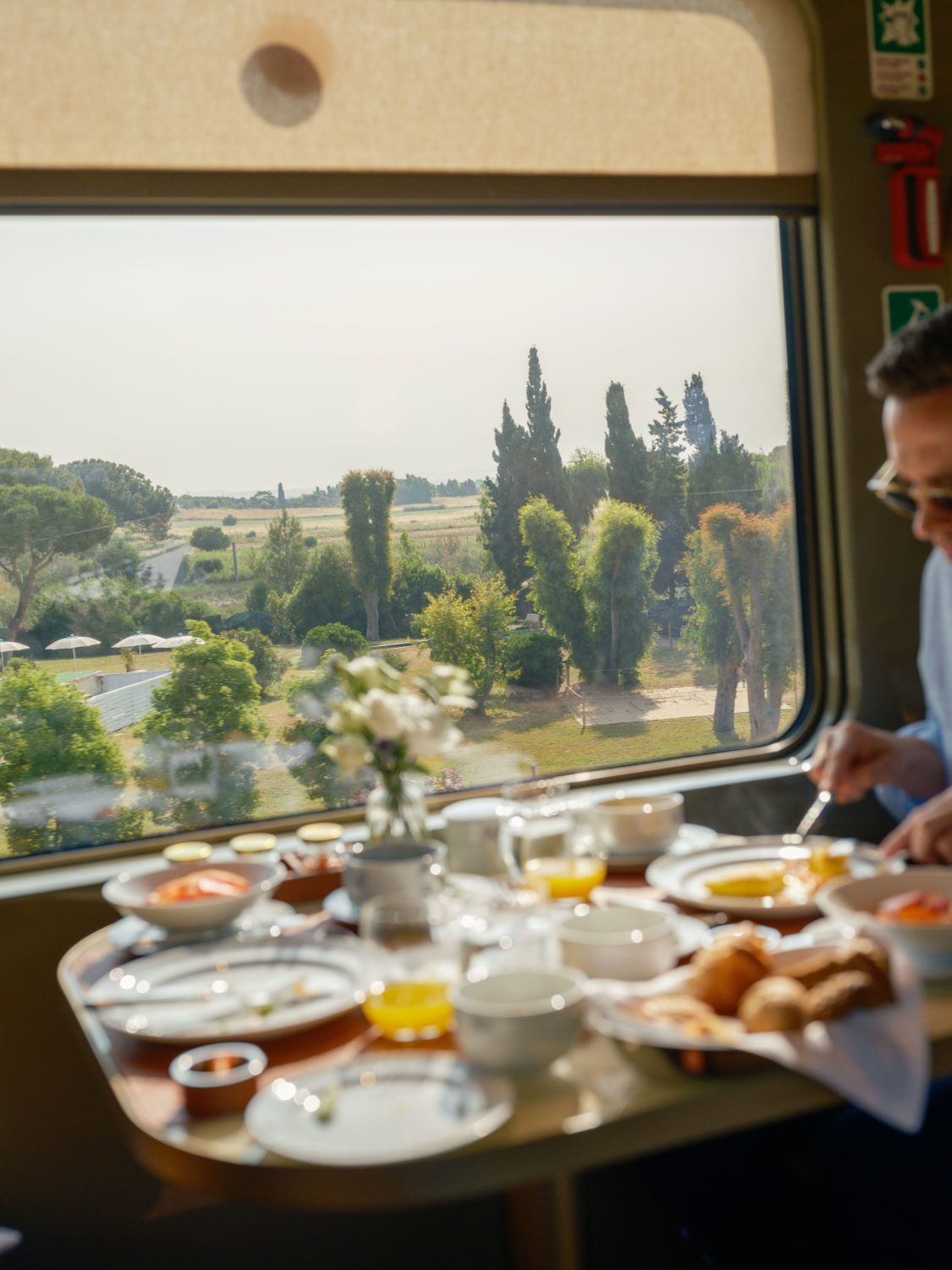
The Rome to Istanbul route marks a defining moment for the modern evolution of Orient Express, a brand that continues to expand far beyond the railway. Following the opening of Orient Express La Minerva in 2025 and Orient Express Venezia in 2026, the launch of La Dolce Vita Orient Express forms part of a wider renaissance that also includes the forthcoming Orient Express Corinthian sailing yacht and the return of the historic Orient Express train itself.
But perhaps this new route represents something even more profound. Not merely the revival of a legendary railway, but the return of a certain way of seeing the world, where travel is measured not in efficiency, but in atmosphere, beauty and wonder.