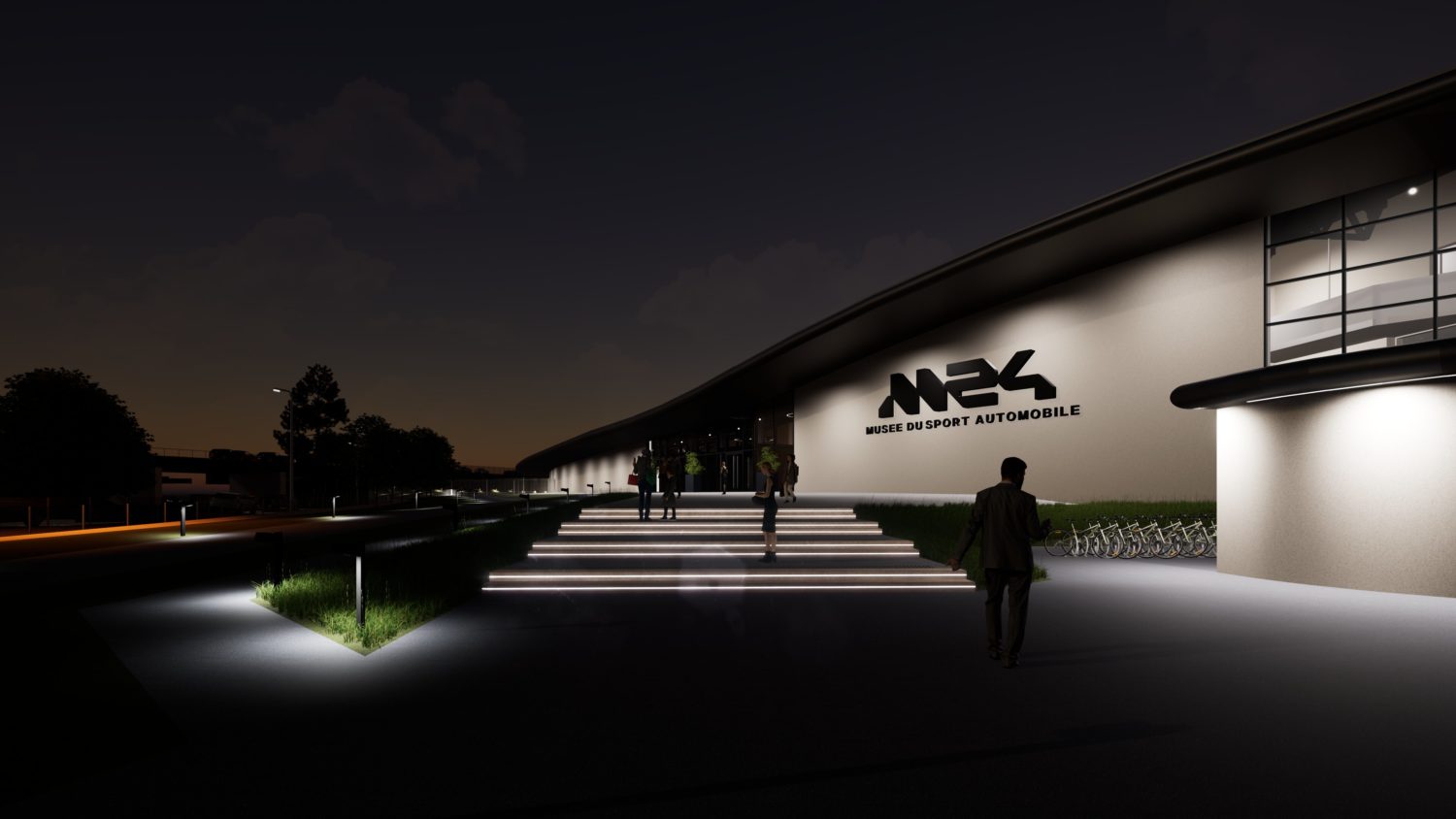
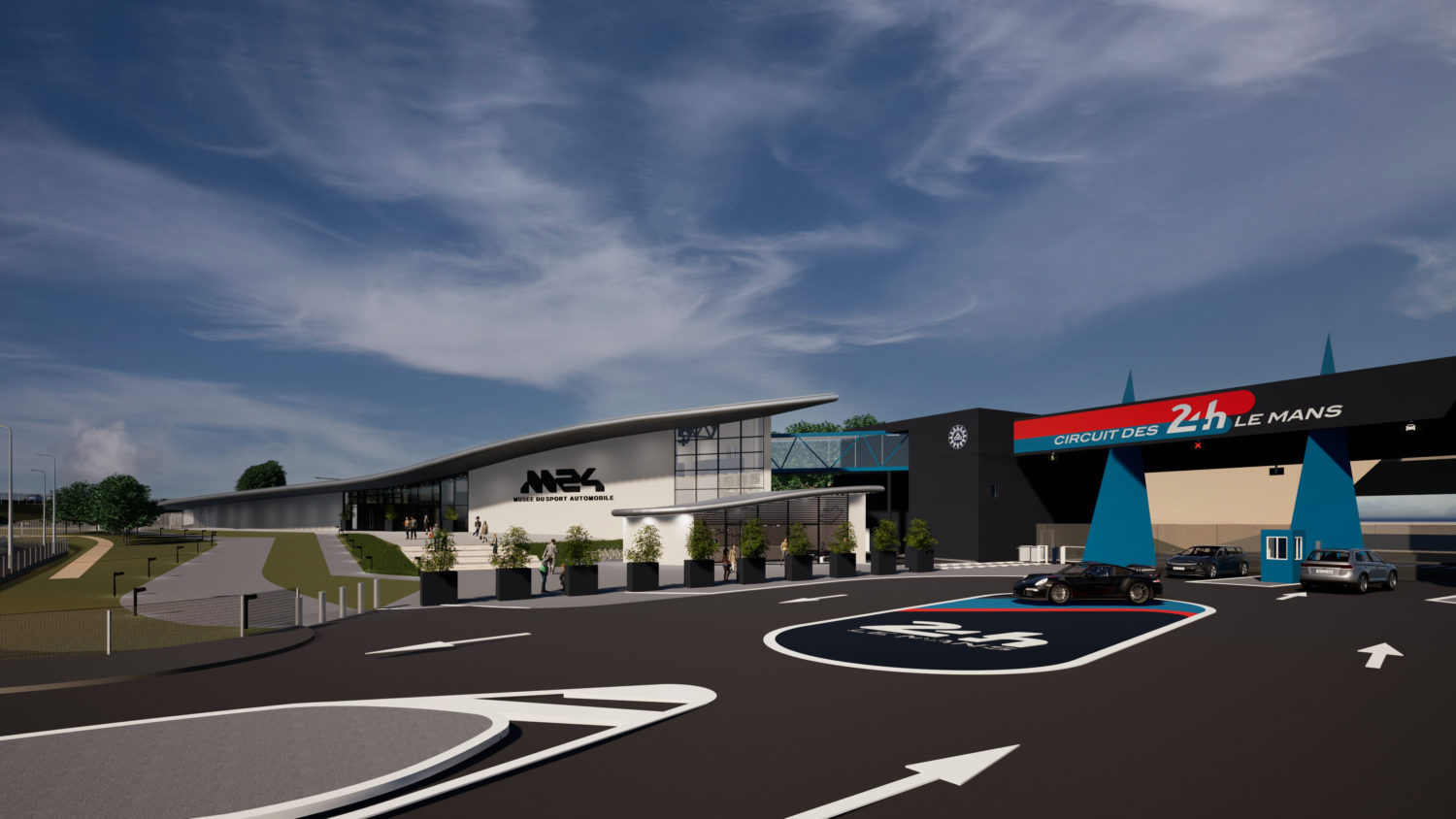
The myth of Le Mans has always lived somewhere between engineering and emotion. Now, with the unveiling of M24 – Motorsport Museum, that mythology finally has a permanent home. Opening on 28 May 2026 at the entrance to the legendary Circuit des 24 Heures du Mans, the ambitious new 8,600-square-metre cultural destination promises far more than a traditional automotive museum. Instead, M24 is conceived as an immersive journey through more than a century of motorsport history, where racing’s greatest machines are elevated from static exhibits into living symbols of human ambition, innovation and endurance.
The result of a four-year collaboration between the Automobile Club de l’Ouest and Swiss luxury watchmaker Richard Mille, M24 positions itself as the most ambitious motorsport museum ever conceived. More significantly, it is the first museum to approach motorsport as a complete cultural universe rather than a single discipline. Formula One, IndyCar, rallying, Can-Am, motorcycle racing and endurance racing all converge here, connected through the rivalries, technological breakthroughs and extraordinary personalities that shaped them. Using Le Mans as its emotional gateway, M24 introduces the wider world of motorsport to audiences who may never have stepped foot inside a paddock before.
Backed by Richard Mille and Pierre Fillon, President of the Automobile Club de l’Ouest, M24 represents a radical reimagining of how motorsport heritage can be experienced. “Motorsport is primarily about people,” the press dossier explains, framing the museum not simply as a showcase of machinery, but as a celebration of the pioneers, engineers and drivers who continuously pushed the limits of technology and courage.
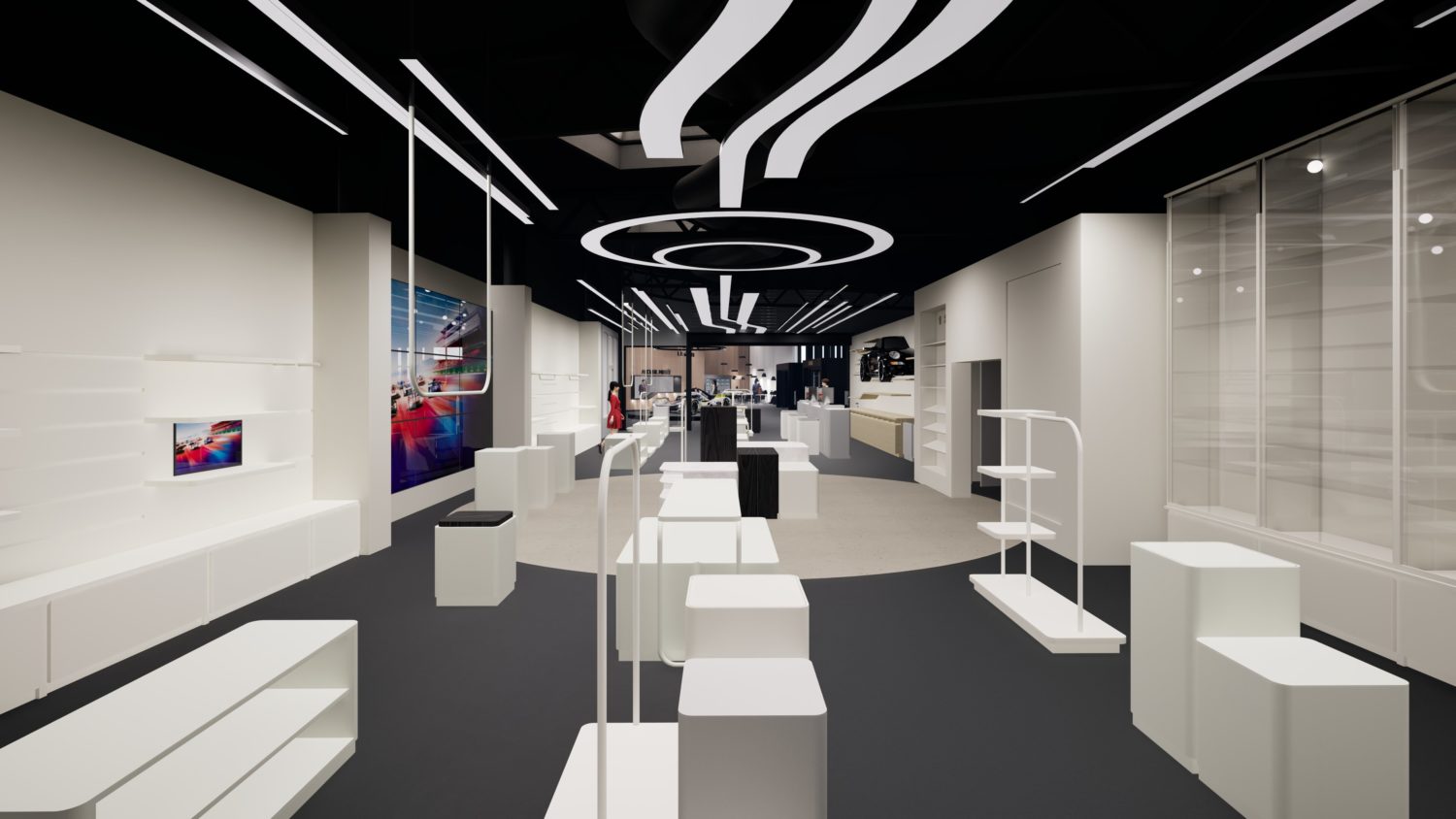
Positioned beside the circuit voted France’s favourite monument in 2024, the museum is destined to become one of the most important motorsport landmarks in the world. Divided into twelve thematic zones, the experience traces the evolution of racing from the earliest days of dangerous city-to-city contests through Formula One, endurance racing, IndyCar, rallying and Can-Am.
But M24’s greatest triumph may be the atmosphere it creates. This is not a museum of silent corridors and glass cases. Visitors move through cinematic life-size dioramas, immersive night-race installations and emotionally charged recreations of motorsport’s defining moments. The experience begins with scrutineering in Le Mans city centre before carrying guests through the tension of race starts, the hypnotic intensity of night racing and finally the euphoric release of the chequered flag.
The scenography, developed by Nantes-based studio The Immersers, treats the museum almost like theatre. Vast abstract murals inspired by Pierre Soulages transform race cars into works of art, while tactile installations invite visitors to touch steering wheels, firesuits and racing materials usually kept far beyond public reach. According to scenographer Raphaël Daguet, the goal was never simply to display cars, but to create “time capsules” capable of immersing visitors in the emotion and humanity of racing history.
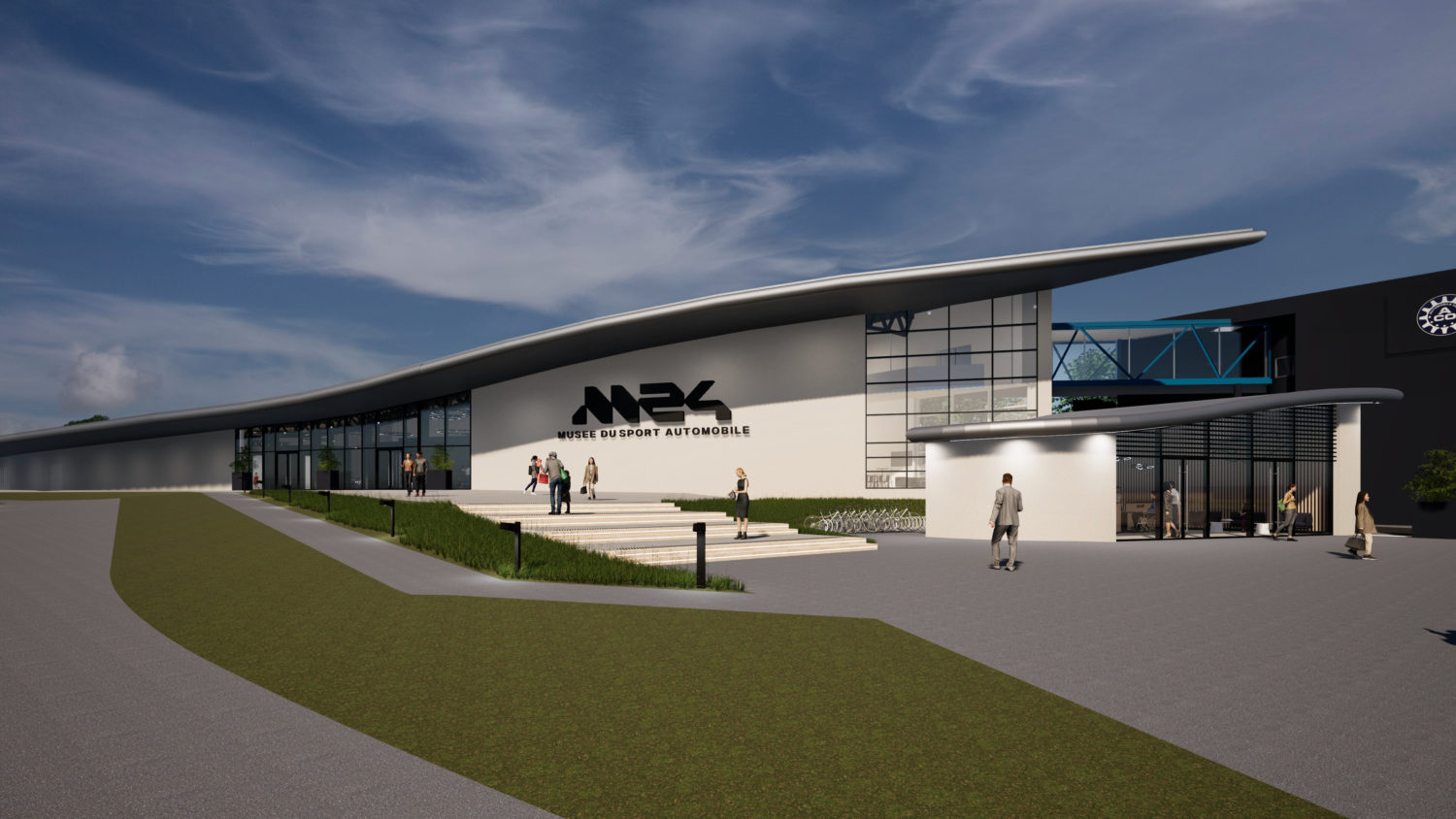
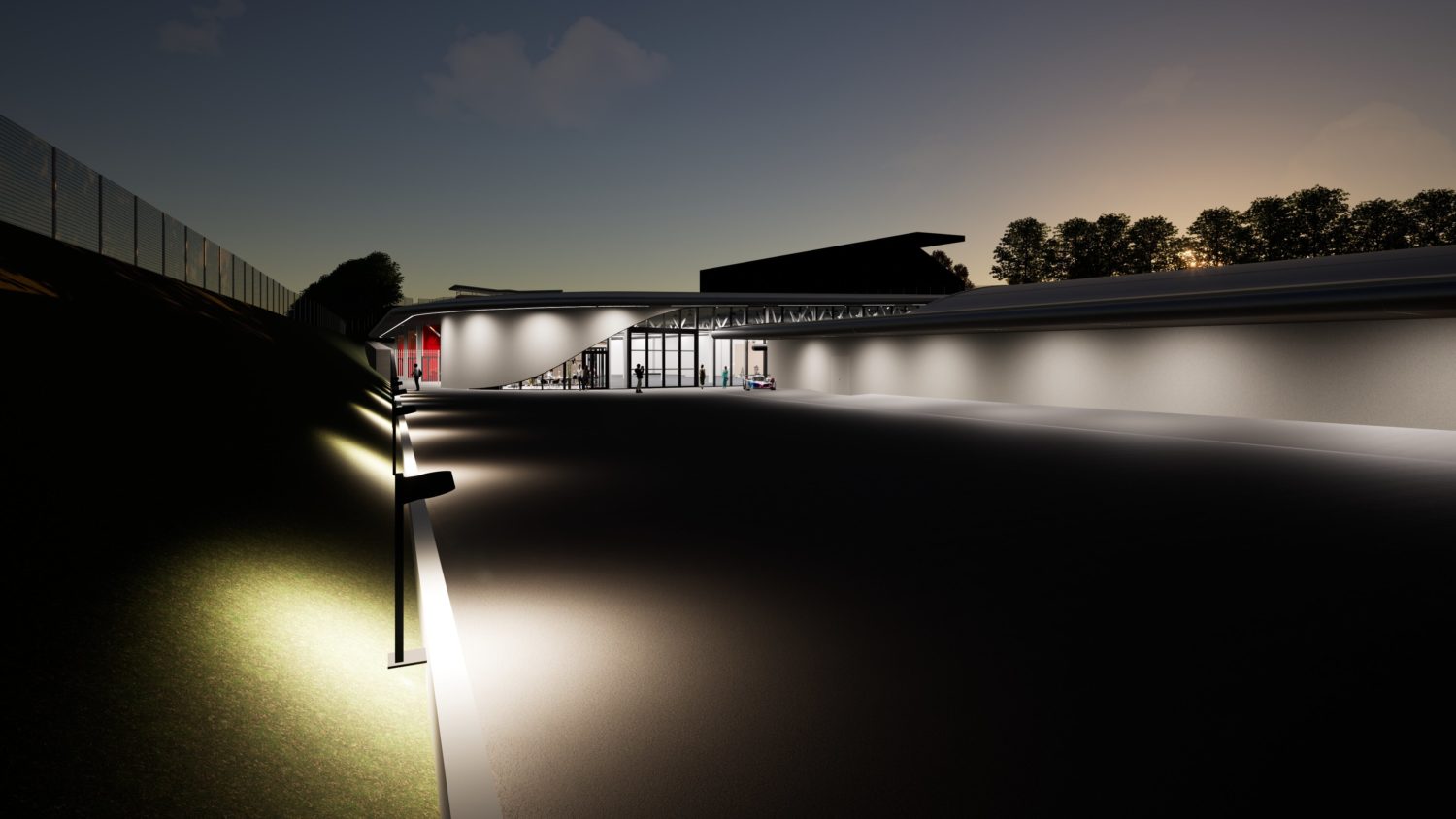
Architecturally, M24 mirrors the aerodynamic language of motorsport itself. Designed by architect Frédéric Audevard, the flowing structure uses sweeping lines and taut forms inspired by racing trajectories and airflow. Natural light floods the galleries, illuminating the vehicles almost sculpturally while reinforcing the sensation of movement throughout the space. Sustainability also forms part of the museum’s philosophy, with recyclable aluminium construction, rainwater-management systems and green roofing integrated into the design.
At the heart of M24 lies one of the richest collections in motorsport ever assembled. One hundred historic vehicles, all maintained in running order, chart the evolution of performance engineering across multiple disciplines, while an on-site restoration workshop forms part of the visitor experience itself. Guests will encounter everything from the oldest surviving Le Mans winner — the 1924 Bentley 3L — to the legendary Porsche 917 LH, whose aerodynamic long-tail silhouette became immortalised in Steve McQueen’s Le Mans. Alongside them sit icons including the Mazda 787B, the only rotary-engined car ever to win the 24 Hours of Le Mans, Toyota’s record-breaking TS050 Hybrid, Michael Schumacher’s Ferrari F2002 and a Lancia Stratos dressed in full Alitalia livery.
Among the most emotionally significant exhibits is the Mercedes W09 driven by Lewis Hamilton during his fifth Formula One World Championship-winning season in 2018. The car stands not only as one of Formula One’s great modern machines, but as a symbol of the museum’s wider ambitions. By becoming patron of M24, Hamilton represents the institution’s vision of motorsport as something open to all generations, audiences and disciplines.
According to Lewis Hamilton, “What’s been built here is more than a traditional car museum, it’s a home for motorsport, a place that tells stories of races, of people and technology that have made Le Mans and motorsport so special. M24 also brings together an incredible collection of race cars and memorabilia, including one of the biggest collections of F1 cars anywhere in the world. Alongside other legendary cars they make this place truly unique.”
The human stories remain equally central. “Champions Alley” honours 35 of motorsport’s most influential figures, from Ayrton Senna and Michael Schumacher to Michèle Mouton, Sébastien Loeb, Jacky Ickx and endurance icon Tom Kristensen. The museum explores not only their victories, but the obsession, resilience and sacrifice that defined their careers.
Elsewhere, restoration workshops visible to visitors reveal the painstaking craftsmanship involved in preserving racing history. Legendary machines such as the Ford GT40 and Ferrari 166 MM are currently undergoing meticulous restorations, reinforcing M24’s philosophy that these cars are not relics, but living mechanical artworks.
Perhaps most extraordinary is the museum’s scale-model archive: a collection of 4,800 miniature cars representing every single competitor to start the 24 Hours of Le Mans since 1923. Maintained with obsessive precision, the display serves as both a technical archive and a love letter to the race’s enduring legacy.
More than a museum, M24 positions itself as a cultural statement about movement, innovation and human ambition. In the same way the 24 Hours of Le Mans has always transcended motorsport to become a symbol of endurance itself, M24 transforms racing history into something cinematic, emotional and alive.
For anyone who has ever fallen under the spell of Le Mans, this may become the ultimate pilgrimage.
9 Pl. Luigi Chinetti, 72100 Le Mans, France