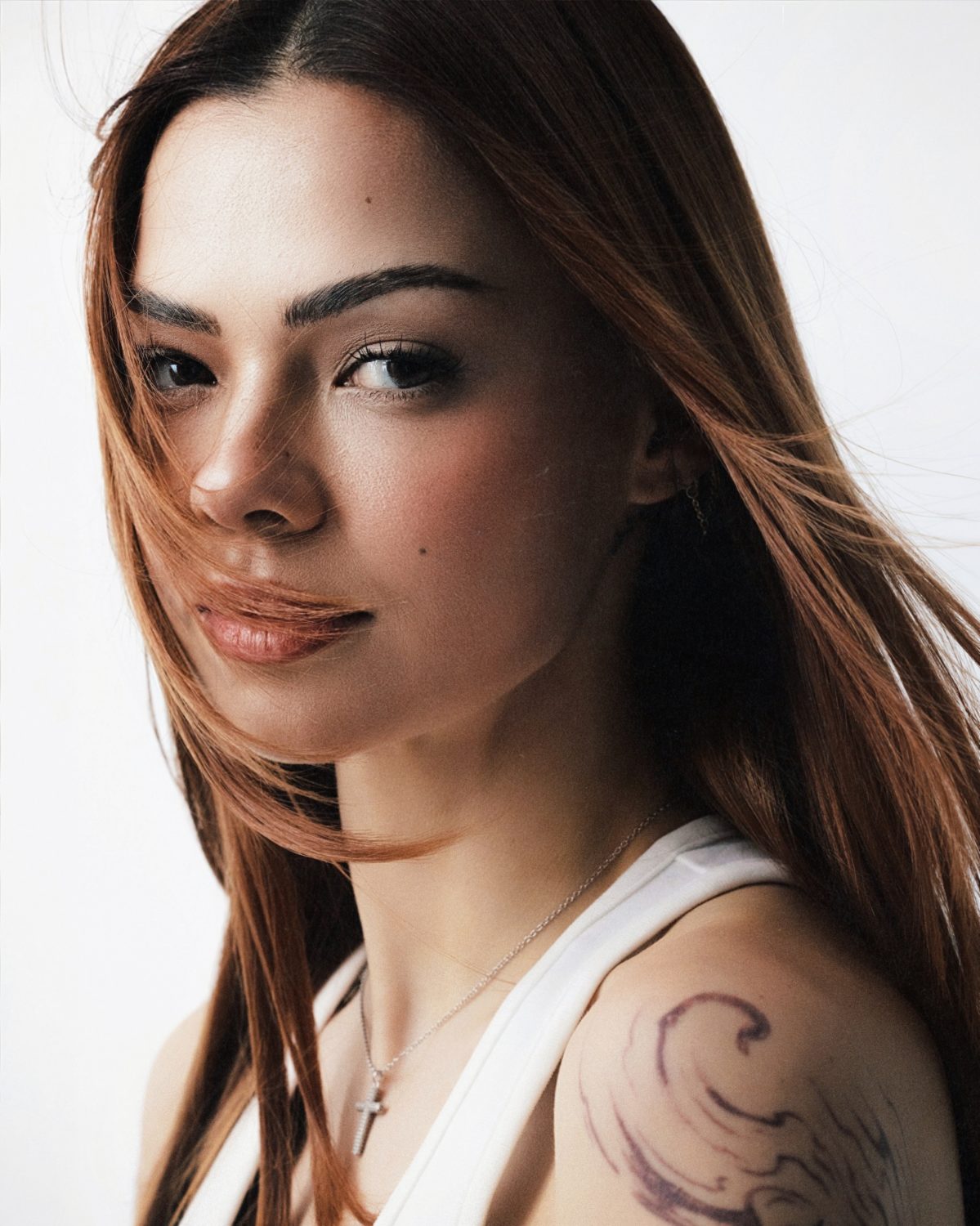
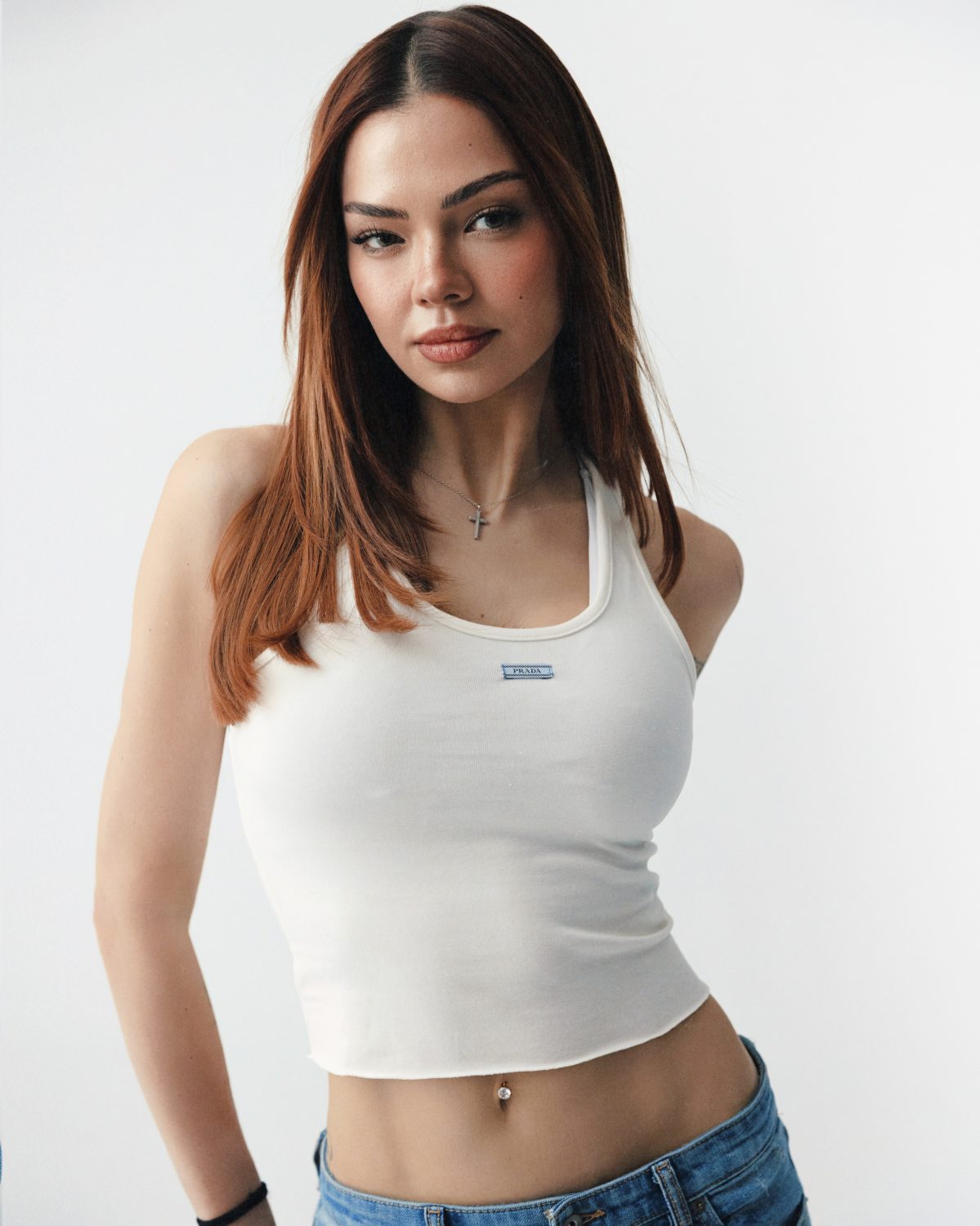
With 18.8 million followers on TikTok, 2 million on Instagram and an extraordinary 1.4 billion likes, MimierMakeup has become one of the defining beauty voices of the digital age. Yet what makes her presence so magnetic is not scale alone, but the feeling that she has never entirely belonged to the polished machinery of influencer culture. Her world is glamorous, funny, chaotic, feminine and deeply human; less like watching a carefully constructed brand, more like being invited into the bedroom of a friend who happens to understand beauty, emotion and internet culture with startling precision.
Born in Croatia and shaped by both local ideas of glamour and the global language of online beauty, she has built a universe where makeup is not simply product, but mood, armour, play, softness and self-expression. Her content moves between humour and high glamour, viral trends and emotional honesty, whether she is speaking about sobriety, body image, femininity, tattoos, bridal beauty or the pressure women face to keep reinventing themselves online. In an era when beauty can so often feel algorithmic and exhausting, MimierMakeup offers something rarer: warmth, personality and the permission to be imperfect.
Here, she reflects on the accidental rise of her platform, the emotional weight of modern beauty culture, the importance of protecting her peace, and why the future of beauty may be less about perfection and more about identity, feeling and freedom.
1. You’ve built one of the most recognisable beauty voices on TikTok almost accidentally. Do you think audiences can sense the authenticity when someone never set out to become a “brand”?
Absolutely. I think people are much smarter online than brands sometimes assume. Audiences can immediately feel when someone is performing a personality instead of simply sharing themselves. I never sat down and thought, “I’m going to build a perfectly curated brand.” I was honestly just obsessed with beauty, filming things in my room, experimenting, talking the way I talk with my friends. I think that lack of calculation is what people connected to. The internet is oversaturated with strategy now, so authenticity almost feels disruptive again.
2. Growing up in Croatia, did beauty feel aspirational, artistic, rebellious or simply personal? How do you think your upbringing shaped the way you approach beauty online now?
A mix of all four, honestly. Growing up in Croatia, beauty always felt expressive and emotional to me. Women there really care about beauty, but not necessarily in a sterile or clinical way. There’s glamour, femininity, effort, confidence. At the same time, I grew up online, watching global beauty culture from a country that still felt slightly disconnected from it, so makeup became a creative escape for me. I think that’s why I still approach beauty emotionally rather than commercially. It’s less about perfection and more about transformation, mood, energy, identity.
3. Your content feels glamorous but never intimidating. The humour, the zooms, the sound effects, it feels more like FaceTiming a friend than watching an influencer. Was that instinctive from the beginning?
Yes, very instinctive. I never wanted beauty content to feel cold or untouchable. Some of the funniest moments in beauty are the chaos behind it, the blending that goes wrong, the dramatic zoom-ins, the random thoughts while doing eyeliner at midnight. That’s the part I enjoy. I think people are exhausted by content that feels over-rehearsed. I’d rather someone feel entertained and relaxed watching me than intimidated by me.
4. We seem to be moving away from the era of “perfect influencer beauty.” Why do you think audiences are craving personality and honesty now more than polished perfection?
Because perfection eventually becomes emotionally exhausting. For years, social media rewarded people for looking unattainable. Flawless skin, perfect bodies, perfect lives. But after a while, audiences stop feeling inspired and start feeling disconnected from themselves. I think people miss humanity. They want texture, humour, opinions, imperfections, weirdness. Personality is becoming luxury now because it’s rarer than aesthetic perfection.
5. You spend your life immersed in trend cycles. Which beauty trends do you think genuinely empower women creatively, and which ones feel more like performance or pressure?
I love trends that encourage experimentation rather than correction. Things like coloured makeup, unconventional blush placement, messy glam, hyper-feminine makeup, even playful nostalgic looks – those feel creative. The trends I dislike are the ones rooted in hyper-analysis of women’s faces and bodies. Anything that turns beauty into constant self-surveillance starts becoming unhealthy very quickly. Beauty should feel expressive, not like a grading system.
6. The “clean girl” aesthetic dominated beauty for years, but it now feels like individuality is returning. What do you think beauty in 2026 is going to look and feel like emotionally?
I think beauty in 2026 is becoming more emotional, romantic and identity-driven again. People are tired of looking algorithmically identical. I think we’ll see softer beauty, more individuality, more contrast, more references to personal style instead of trend templates. Emotionally, I think people want beauty to feel comforting and expressive again instead of aspirational in a cold way.
7. You’ve spoken openly about sobriety and reconnecting with yourself. Did stepping into a calmer chapter of life change your relationship with beauty and femininity?
Completely. I used to approach beauty from a much more external place – how am I perceived, how do I maintain an image, how do I keep up. Sobriety and slowing down forced me to reconnect with myself privately first. Now beauty feels more ritualistic and grounding to me. Femininity stopped feeling performative and started feeling internal. I think the calmest version of confidence is when you no longer feel the need to constantly prove your beauty.
8. Beauty online moves at an almost impossible speed now. Do you think constantly consuming trends has started affecting women emotionally more than we realise?
Definitely. I think people underestimate how psychologically intense constant trend exposure can be. Every week there’s a new ideal face, body, aesthetic, lifestyle. Even if you’re aware it’s unrealistic, your brain still absorbs it. I think many women feel like they’re constantly failing at becoming the “current version” of beauty. That’s why I think slowing down and developing personal taste is becoming more important than ever.
9. Your audience is enormous, but your community still feels unusually engaged and loyal. How do you maintain intimacy online at that scale without losing yourself in it?
I try to talk to people the same way I always have. I never wanted my audience to feel like numbers to me. I think people stay when they feel emotionally included rather than marketed to constantly. At the same time, I’ve learned that maintaining boundaries is necessary. You can be open without giving away every part of yourself. Protecting your real life is what allows you to continue showing up genuinely online.
10. There’s something very modern about becoming engaged while living publicly online. How do you romanticise your life without feeling pressure to make it look perfect?
I think romance becomes more meaningful when you stop treating it like content first. The internet can create this pressure to aestheticise every emotional moment, but some of the most beautiful parts of love are actually quiet and imperfect. I’ve learned to enjoy moments before thinking about how they’ll look online. Ironically, that usually makes the content more authentic anyway.
11. Bridal beauty has become its own cultural phenomenon online. Why do you think modern brides are moving toward softer, more personalised beauty rather than ultra-“perfect” glamour?
Because women want to recognise themselves in their own memories. I think brides are becoming less interested in looking generically flawless and more interested in feeling emotionally beautiful. Softer makeup photographs beautifully because it allows personality and emotion to come through. Bridal beauty now feels less about transformation and more about enhancement.
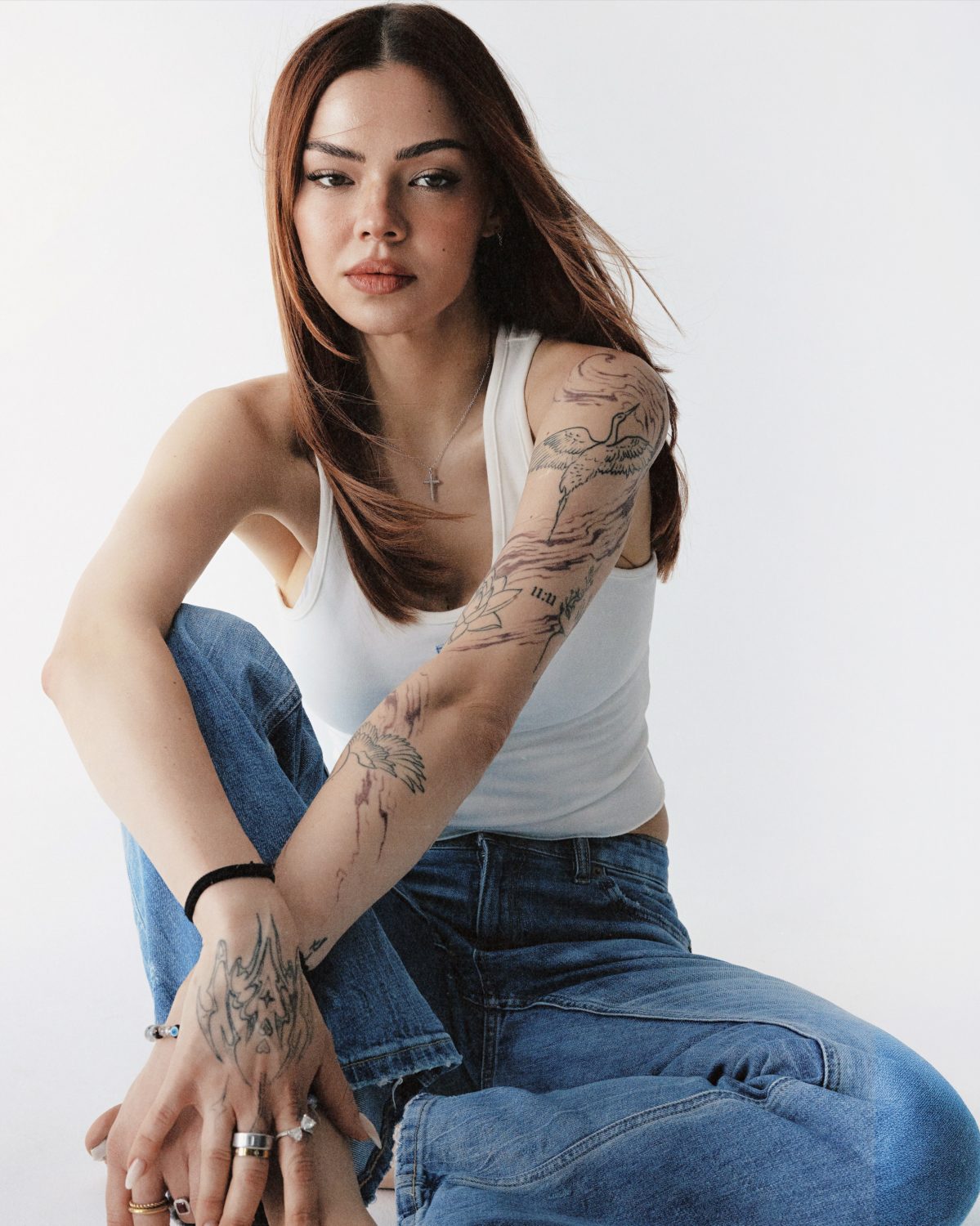
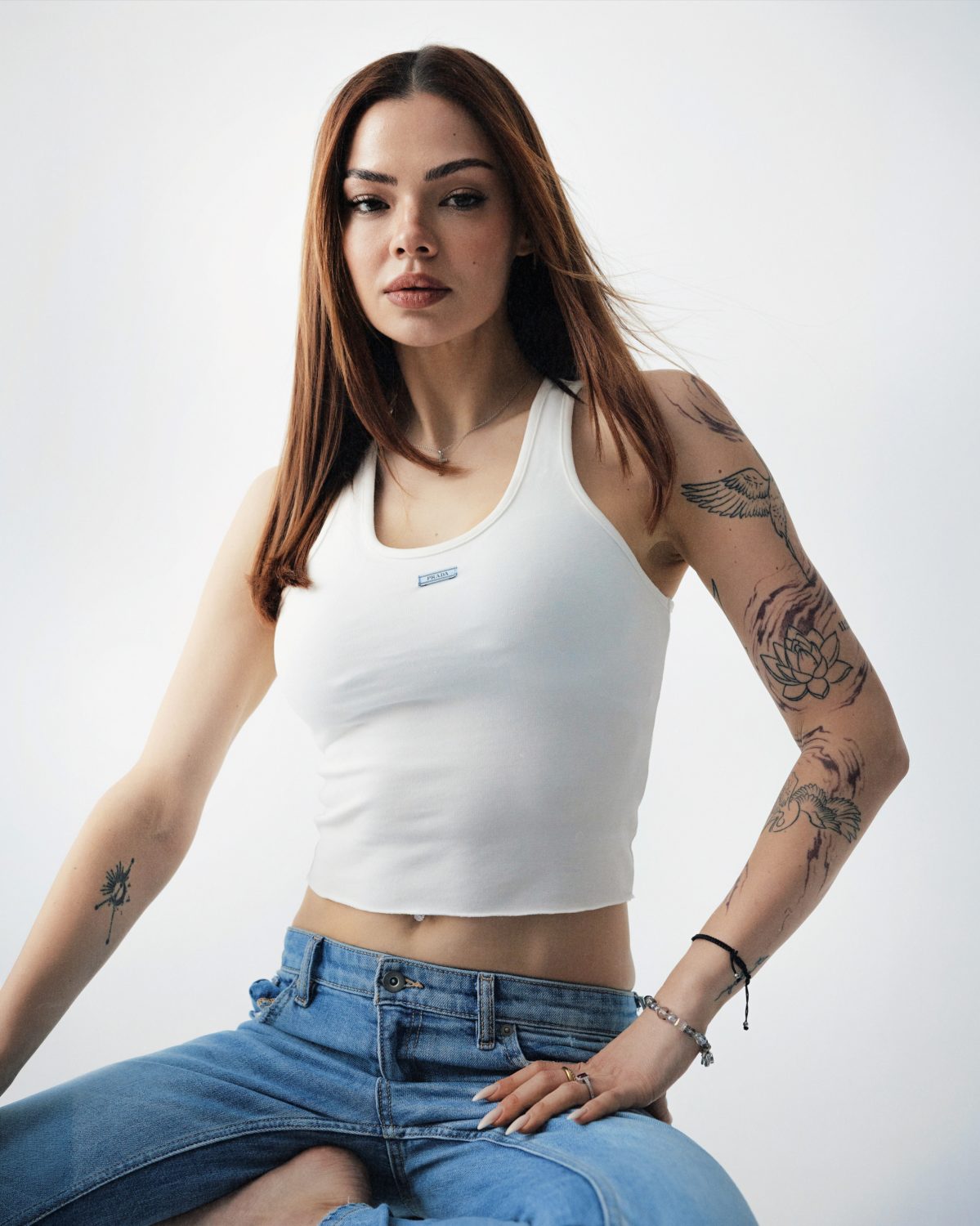
12. Your tattoos feel like an extension of your storytelling, especially the Japanese-inspired pieces and your upcoming dragon back piece. What does body art represent to you emotionally?
For me, tattoos are emotional markers more than aesthetics. They represent evolution, memory, identity, phases of life. I’ve always been drawn to Japanese-inspired art because it feels symbolic and powerful but also deeply spiritual. The dragon piece especially feels less like decoration and more like reclaiming strength and transformation. I think body art can become a very personal form of storytelling.
13. TikTok completely changed the beauty industry. In your opinion, what has the platform improved about beauty culture and what has it damaged?
TikTok democratized beauty. It gave people outside traditional industries a voice and completely changed who gets to influence culture. You no longer needed celebrity status or magazine approval to shape trends. That part is incredible. But I also think it accelerated beauty culture to an unhealthy speed. Trends disappear before people even process them emotionally. There’s less permanence, less identity, more constant reinvention.
14. A lot of creators become successful very quickly but seem to lose their sense of self along the way. Have boundaries and protecting your peace become more important to you as your career has grown?
More than anything. Success means very little if you lose your nervous system in the process. I think when your life becomes public, protecting your peace stops being optional and becomes survival. I’m much more intentional now about who has access to me, what energy I allow around me and how much of myself I give away online. Privacy has become a form of self-respect for me.
15. When people look back at this era of beauty and digital culture in ten years’ time, what do you hope your work will have represented within it?
I hope people remember warmth. I hope my work represented beauty that felt expressive rather than oppressive. I’d love for people to feel that I made beauty feel exciting, feminine, funny, emotional and human during an era that often pushed people toward perfection and sameness. If someone felt more confident, creative or understood because of my content, that matters to me more than numbers ever will.
Photographer