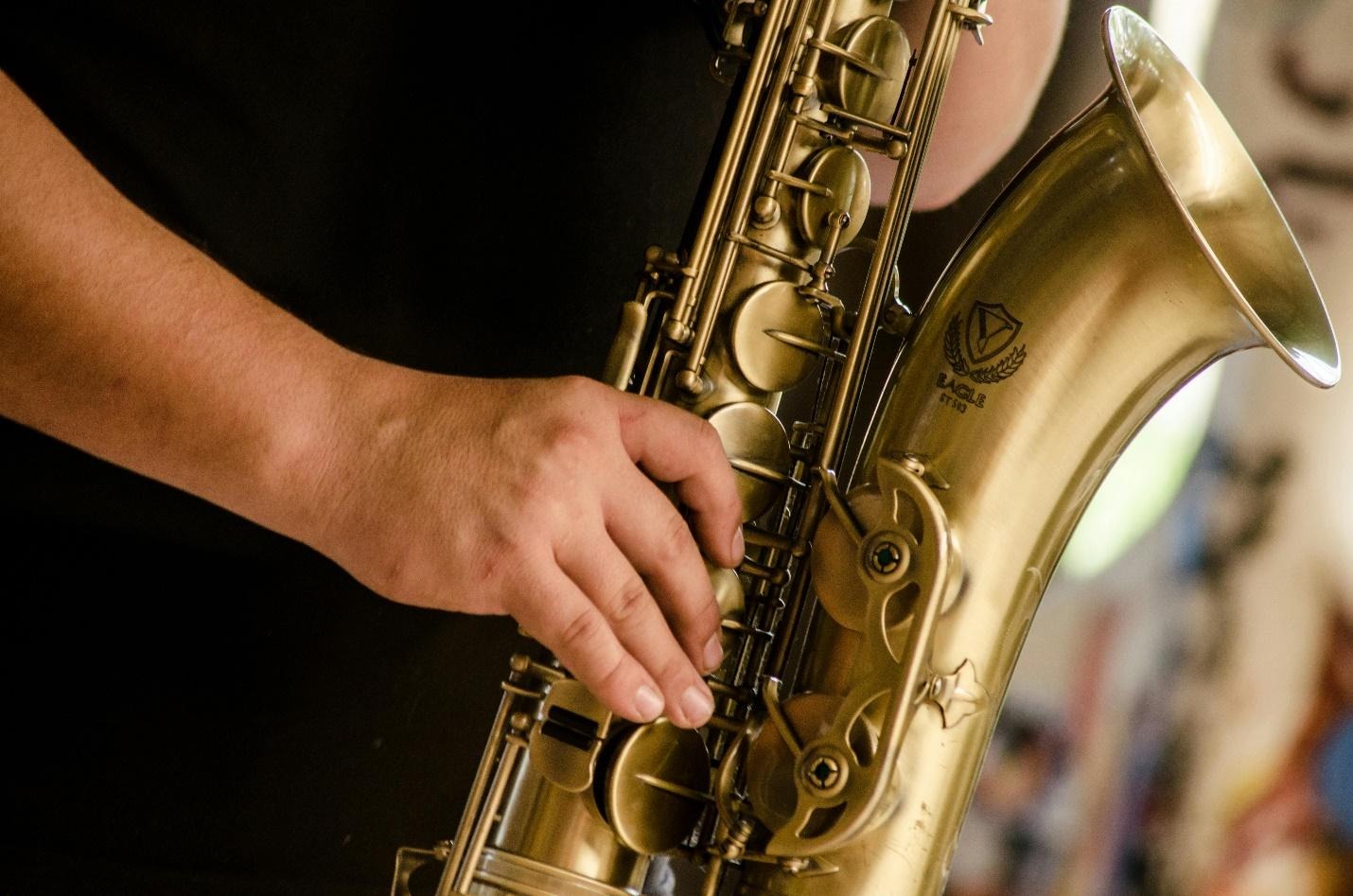
Be frank for one moment. What’s the first thing that comes to your mind when someone talks about jazz, marching bands, and similar things? A vast majority of people will say saxophone, which is one of the most popular instruments in the world.
Its beautiful sound isn’t only heard in jazz, but modern pop, and many other genres. It was introduced back in the 1840s, which makes it pretty young in comparison to other popular instruments, like the piano.
Still to this day, it is widely used across different genres, and that’s why it’s safe to say that it is a timeless classic. If you’d like to learn more about its transformation and evolution, then stay tuned because this article is about to cover this interesting topic.
How It All Started?
The world can thank Adolphe Sax for introducing this wonderful instrument in the 19th century. In the beginning, it was mostly utilized in orchestral settings and military bands, and what’s interesting is that many composers were almost instantly drawn to the saxophone, and they simply wanted to write pieces specifically for it.
Even though the saxophone hasn’t become a permanent member of the orchestra, it is still perceived as an invaluable instrument that deserves to be included in almost every performance. Today, you can frequently see it in:
- Solo recitals
- Modern classical compositions
- Wind ensembles
All That Jazz
Although this instrument has become part of many genres, the reality is that it is renowned for being a true jazz star. Nowadays, you can easily run into saxophone sheet music that’s intended for avid jazz lovers. Generally speaking, most people who are fond of this music genre will tell you that this is one of the reasons why they love it so much.
At the beginning of the last century, a lot of jazz enthusiasts decided to fully embrace it, hence it became central to jazz groups, swing bands, etc. Over time, jazz created several styles, such as modern jazz and bebop, which allowed saxophonists to push this instrument to new technical highs.
It’s safe to say that precisely this genre has allowed this instrument to demonstrate all its flexibility and creativity.
Deep Emotions With Blues & Soul
If there’s one word that’s instantly associated with blues and soul, it’s emotions, and the saxophone perfectly fits into it due to the emotional depth it has. In blues, its lines frequently add that rawness that everyone loves, and ideally express longing, sadness, and happiness.
When these two join forces, you can quickly conclude how this instrument is capable of highlighting the sound of laughing, crying, and many others.
And Then There Are Rock & Pop
Even though the saxophone was mostly associated with jazz, over time things have changed, and it “decided” to make its way into other popular genres, such as pop and rock. Back in the day, most rock bands incorporated this instrument into their tunes because they wanted to make their sound edgier.
And that makes complete sense, since the saxophone was truly a perfect ingredient that made every sound even more thrilling, and the pop genre wasn’t indifferent to this. Just like rock, it also decided to welcome it into its world.
When these two joined forces, lovers of both of these genres were treated with some fine, catchy sax riffs, which became insanely popular in both slow and upbeat songs. And the situation hasn’t changed when it comes to this, because many producers these days rely on the saxophone when they want to make a certain song deeper and soulful.
This just goes to show that time cannot do anything negative to this musical instrument, even with the arrival of other instruments and genres.
Funk & Sax
It is widely known that funk music adores powerful rhythms and tight grooves, which is perfect for the saxophone, since it loves them, as well. In funk music, the musical instrument that’s used frequently plays very vibrant phrases that lock in with the drum and bass.
Many music genres prefer long solos, which isn’t the case with this one. Precisely this style ideally emphasizes all the range and flexibility that comes with the saxophone, and showcases that it doesn’t solely revolve around melody, but groove, too!
What Can Be Said About Modern Saxophone?
Although the saxophone is nothing new, and in fact, it has been around for a very long time, it doesn’t mean that it’s outdated in any way, and it doesn’t have anything new to offer. On the contrary, it’s full of possibilities that modern and talented composers simply love to explore and experiment with.
Speaking of this instrument, what’s generally great about it is the fact that it’s back in style, making sure saxophone quartets are still high in demand, and that’s all because this instrument can perfectly blend with many styles and instruments.
The Music Landscape Welcomes It With Open Arms
If you think that the saxophone has “stayed” in Europe only, then you’re probably not too familiar with its past and present. Even though its roots are on this continent, it doesn’t mean that it didn’t sweep musicians all across the globe off their feet.
In fact, a lot of them are massive connoisseurs and admirers of this musical instrument, and some of them have even decided to adjust it to their own traditions. That’s precisely why you can easily find its sound in African rhythms, Latin music, and many others.
It’s safe to say that the saxophone can be combined with basically any other genre, turning itself into a global voice that’s loved by many people.
Saxophone & Modern World
Just like with many other fields and industries, technology found its way into the world of saxophone. Today, modern musicians have a lot of fantastic options at their disposal when it comes to this.
Numerous phenomenal tools, devices, and effects give talented people the chance to experiment with music. Some love to mix it with electronic, while there are those who are more into something that’s organic.

Based on everything that was written today, it can easily be concluded that this instrument is extremely flexible and versatile, and that’s precisely what makes it so omnipotent and adored by many.