Looking for an outdoor thrill that gets the heart racing?
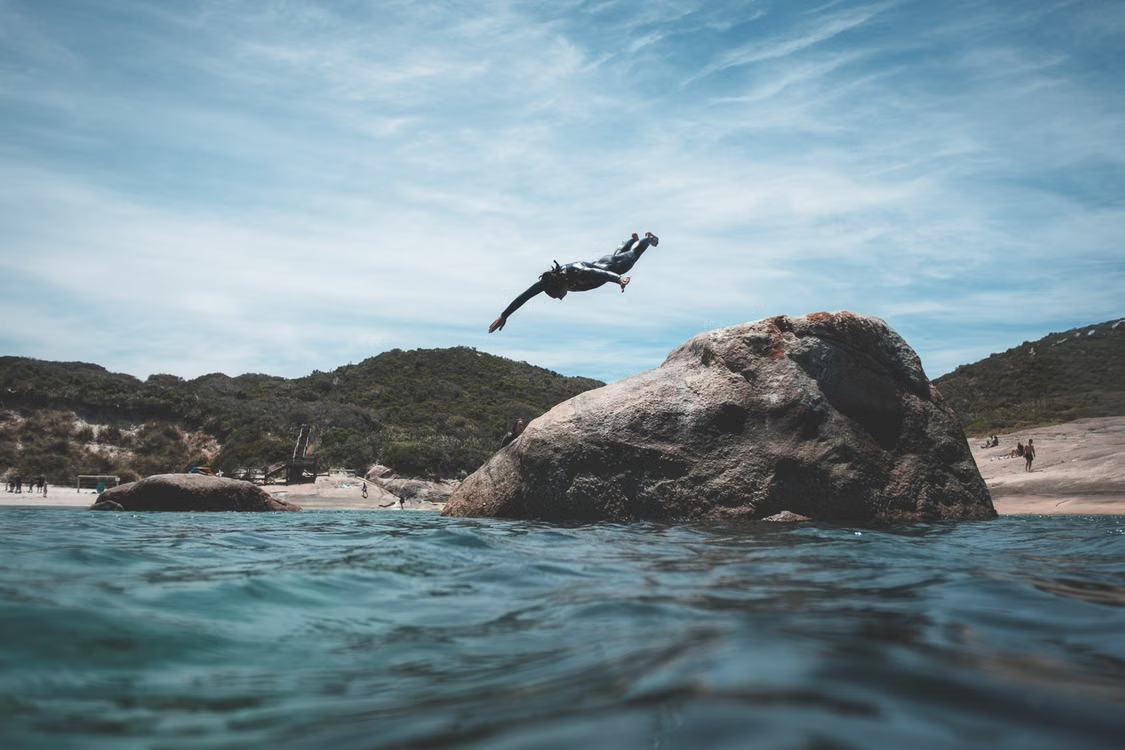
Now there’s one sport that has been silently stealing hearts along Britain’s coastal showings. They combine swimming, scrambling, climbing with jumps into the sea…what more could you ask for?
It’s wild. It’s wet. And it’s unlike anything else.
It’s called coasteering.
And it’s not for the faint-hearted.
This kind of coast exploration will test your nerves and patience. The payoff is amazing views, an incredible rush of adrenaline, and a feeling of accomplishment like no other sport.
What’s inside this guide:
- Why Coasteering Is Booming Right Now
- What Makes This Coastal Exploration Activity So Special
- The Skills You Need To Pull It Off
- Safety Tips That Could Save Your Life
- How To Plan Your First Trip
Why Coasteering Is Booming Right Now
Adventure travel in the UK is growing fast.
UK adventure tourism market research shows that at the end of 2024 the industry generated $38.44 billion. It is predicted this number will continue to rise. As travellers desire experiences. They want souvenirs of stories to tell when they return. They want more than another beach vacation.
That’s where this coastal exploration activity steps in.
Coasteering ticks every box:
- Adrenaline: Cliff jumps, rough water and slippery rocks
- Scenery: Hidden coves and sea caves only reachable by water
- Challenge: Real physical and mental tests in every session
- Community: Small groups led by experienced guides
It’s also one of the easiest thrill sports to take part in. There’s no costly equipment to buy, no months of training or long learning curves. All you need is the right people showing you how and a healthy dose of grit to give this coastal playground experience a proper crack. If you’re looking to throw yourself at a reputable operator on the Cornish coast then coasteering adventures run by experienced instructors is the best place to start.
This partly explains why the southwest of England is so popular for this activity. Indeed the Cornish coastline has been described as one of the best places in the world for coasteering. It boasts sea caves, granite arches and amphitheatre style coves tailor made for coasteering.
Better still, it’s pretty much weatherproof. Rain, shine or cloudy skies — the ocean is the ocean and the cliffs don’t flinch at the weather report.
What Makes This Coastal Exploration Activity So Special
Most outdoor sports focus on one element. Hiking is terrestrial. Surfing is aquatic. Climbing is lithic.
Coasteering is all three at once.
One minute you’re scrambling over barnacle encrusted rocks and the next you’re drifting out into the open ocean. Swimming in the clear blue depths, you paddle back out and leap from the cliff face into a rolling swell, only to haul yourself back out again for more.
Here’s why it’s worth the hype:
- The route changes with the tide, so no two sessions are the same
- It works for solo travellers, couples, families and big groups
- It is hard, but you do not have to be an elite athlete to compete
- It connects you with raw nature in a way few other activities can
This isn’t a laid-back day trip. You won’t be sitting on the beach. You roll up your sleeves for this.
There aren’t many activities that balance exertion and sheer play. You become a swimmer, a climber, a jumper and an explorer – all within a few hours. It’s rare to find that in today’s outdoor pursuits.
The Skills You Need To Pull It Off
You don’t have to be an Olympic swimmer. You don’t need any climbing experience. However there are a few things you will need to do this fun coastal activity.
A moderate degree of fitness. You will be on your feet, moving around for two to three hours continuously. Swimming, climbing and hiking on uneven terrain can really take it out of you.
Cold water comfort. The UK seas are cold. First entry into the water can be a shock to your system, even when wearing a wetsuit.
Jumping off cliffs. You’ll have to do this eventually. Cliff jumps can be anywhere from a metre to upwards of ten metres. Don’t feel bad if you don’t take a jump, many people back out when it comes to their turn. Take a deep breath and remember patience is key.
Trust your guide. They know how to read the ocean, the tide and the crowd. Always use a qualified operator.
Safety Tips That Could Save Your Life
The fun in this sport is that there is actual risk involved. Rocks that are slippery, swell, current and cold water can become hazardous very quickly.
Here are the basics every newcomer should know:
- Always go with a professional, qualified guide
- Wear a proper wetsuit, helmet and buoyancy aid
- Never jump into water you haven’t been told is safe
- Stay with the group at all times
- Check the weather and tide before setting out
Soloing is never a good idea. Even excellent swimmers can be surprised by unseen currents and shifting tides. Group safety is what makes this activity feasible for teens and grandparents alike.
Even if you have a guide booked, always advise someone where you are going and when you will be back. That little habit could save your life.
How To Plan Your First Trip
You’ll need a few things first. If you’re ready to jump in here are some tips to help ensure you have the best experience.
Pick The Right Location
Cornwall, Pembrokeshire and Isle of Anglesey are ranked as the UK’s top three regions. The three locations have very different vibes going on. Cornwall boasts stunning granite cliffs and turquoise waters making it a honeymooners’ dream.
Book With A Trusted Operator
Don’t skimp here. Select a company with excellent reviews, competent staff and proper equipment. A reputable operator will brief you completely, tailor the route to your ability and adapt the day to the conditions.
Time It Right
Late Spring to Early Autumn. Water temperature is perfect and daylight hours allow for a full session. The UK is Europe’s leader for adventure tourism. With the country making up 19% of adventure travel tourists worldwide, Summer bookings fly out.
Pack Smart
Most operators provide the technical kit. You’ll usually need to bring:
- Old trainers you don’t mind getting wet
- A swimsuit to wear under the wetsuit
- A towel and warm clothes for after
- Water and a small snack
Final Word
Coasteering is more than just an outdoor activity. It’s an upper and lower body, left brain and right brain workout that pays dividends to those brave enough to get past the butterflies.
It teaches you to:
- Trust your body
- Trust your group
- Trust the sea
And after you take that first cliff jump into azure water, you will see why so many keep returning.
Particularly concentrated around the Southwest of England, this kind of activity has exploded in popularity. Coupled with the UK’s adventure travel market consistently increasing year on year, there’s no better time to dive in.
So… what are you waiting for?
The cliffs are calling.