Portugal offers a rare blend of historic depth, varied landscapes, and distinctive regional identities, making it a compelling destination for travelers seeking both cultural immersion and geographical diversity. From the winding lanes of Lisbon’s oldest quarters to the expansive southern coastline, the country presents a coherent narrative shaped by centuries of maritime exploration, architectural evolution, and localized traditions. Many visitors planning structured journeys explore these contrasts through Portugal tours packages, which help reveal how each region contributes to the broader national story while maintaining its own character. Such itineraries often serve as frameworks for understanding Portugal’s spatial complexity and cultural continuity.
A journey through Portugal typically begins in Lisbon, where ancient and modern elements intersect in ways that illustrate the city’s transformation over time. Alfama, with its narrow alleys and hillside vistas, contrasts with the grid-like Baixa district rebuilt after the 1755 earthquake. These architectural differences highlight Portugal’s long engagement with urban planning, disaster resilience, and adaptive reuse of historic spaces. Visitors engaged in deeper cultural study often find Lisbon an accessible introduction to the country’s layered past, as its neighborhoods provide clear reference points to shifts in power, population, and economic influence.
Moving beyond Lisbon allows for an examination of broader regional distinctions that define a comprehensive Portugal itinerary. The landscapes, settlement patterns, and local traditions found in central and northern Portugal differ markedly from those in the south, revealing centuries of environmental adaptation and cultural exchange. Understanding these variations enhances appreciation for the diverse experiences encountered while traveling from Alfama’s intimate alleyways to the open horizons of the Algarve.
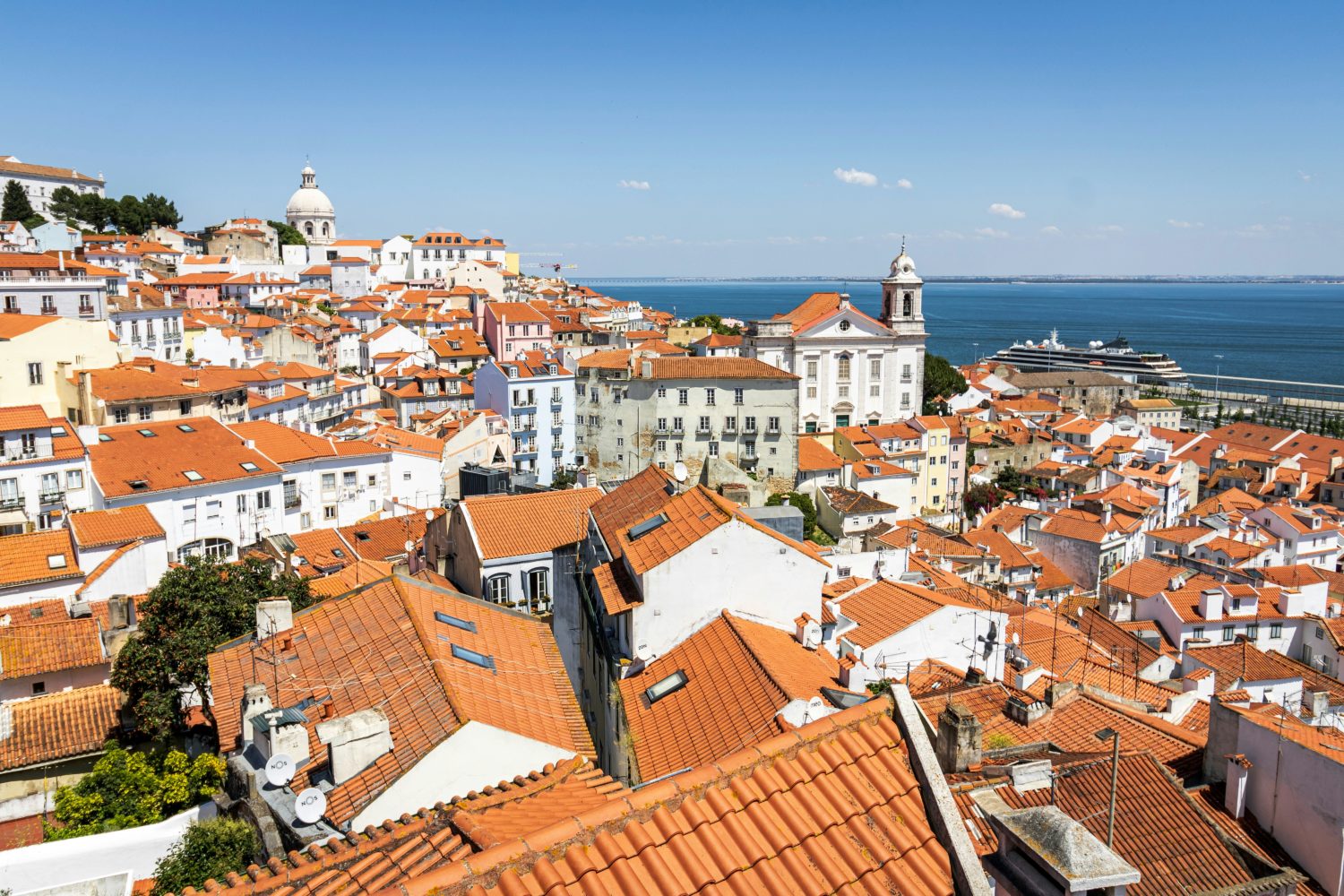
Lisbon’s historic heart: Alfama and the surrounding districts
Alfama serves as a living example of medieval urban design, with footpaths that predate modern planning principles. Its layout reflects defensive strategies, community interaction, and architectural practices influenced by Moorish occupation. The neighborhood’s compact nature provides insight into how earlier societies adapted to Lisbon’s steep terrain while maintaining functional public spaces. Traditional houses, tiled façades, and communal courtyards reveal methods of managing climate, privacy, and social cohesion long before contemporary urban design emerged.
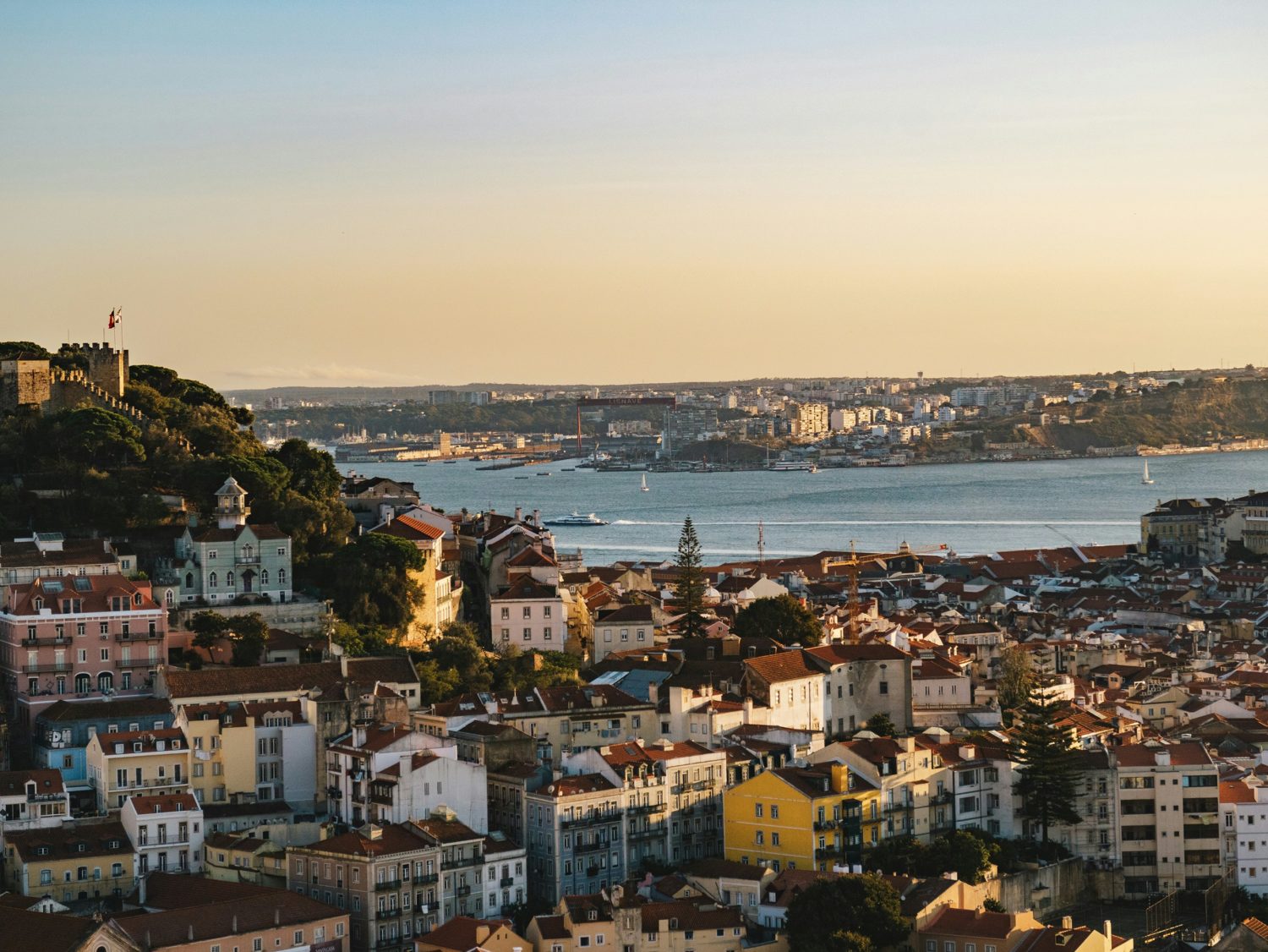
Adjacent districts present complementary perspectives. Mouraria illustrates patterns of multicultural settlement, while Graça offers viewpoints that show the city’s evolution from hilltop fortifications to modern expansion. The broader Lisbon area, including Belém with its monumental architecture, provides additional context for understanding Portugal’s Age of Discovery and the symbolic expressions of national identity that arose during that era.
Coastal transitions on the route south from Lisbon
Traveling south from the capital introduces travelers to shifting landscapes and quieter settlements shaped by agriculture, fishing, and long-standing local crafts. The coastline between Lisbon and the Alentejo contains preserved dune systems, low-density towns, and small harbors that demonstrate Portugal’s historical reliance on maritime resources. These areas highlight the contrast between Lisbon’s dense urban landscape and the slower rhythms found beyond the capital.
The region’s estuaries and wetlands provide critical ecological habitats, and several protected zones focus on conserving bird migration corridors and marine biodiversity. These natural features often appear along itineraries that follow old trading routes where goods once moved between inland farms and coastal markets, offering an additional historical layer to the journey.
The cultural breadth of central Portugal
Central Portugal is characterized by its mix of academic heritage, medieval towns, and mountainous terrains. Coimbra, home to one of the world’s oldest universities, remains a focal point for understanding Portuguese intellectual history. Its ceremonial traditions, longstanding academic structures, and historic library collections illustrate the region’s contributions to education and scholarship.
In the surrounding countryside, fortified towns such as Óbidos, Marvão, and Monsanto reveal how defensive architecture adapted to diverse topographies. Their walls, gateways, and stone-built houses provide evidence of settlement strategies that prioritized security and visibility. These towns also serve as examples of how modern conservation practices aim to preserve local heritage while accommodating contemporary needs.
Natural areas, including the Serra da Lousã and Serra da Estrela, introduce variations in climate, vegetation, and geological formations. Mountain villages built from schist stone demonstrate how communities used locally available materials to withstand weather conditions and integrate structures into the environment. Such sites form integral components of itineraries that explore links between landscape and cultural development.
Northern Portugal: a region of layered identities
Northern Portugal offers notable contrasts through its historic towns, river valleys, and industrial heritage. Porto stands at the center of this region, with its terraced hillsides, iron bridges, and traditional riverside warehouses forming a landmark urban environment. The layout of the city illustrates centuries of commercial activity along the Douro River, while ongoing preservation work highlights efforts to maintain its architectural integrity.
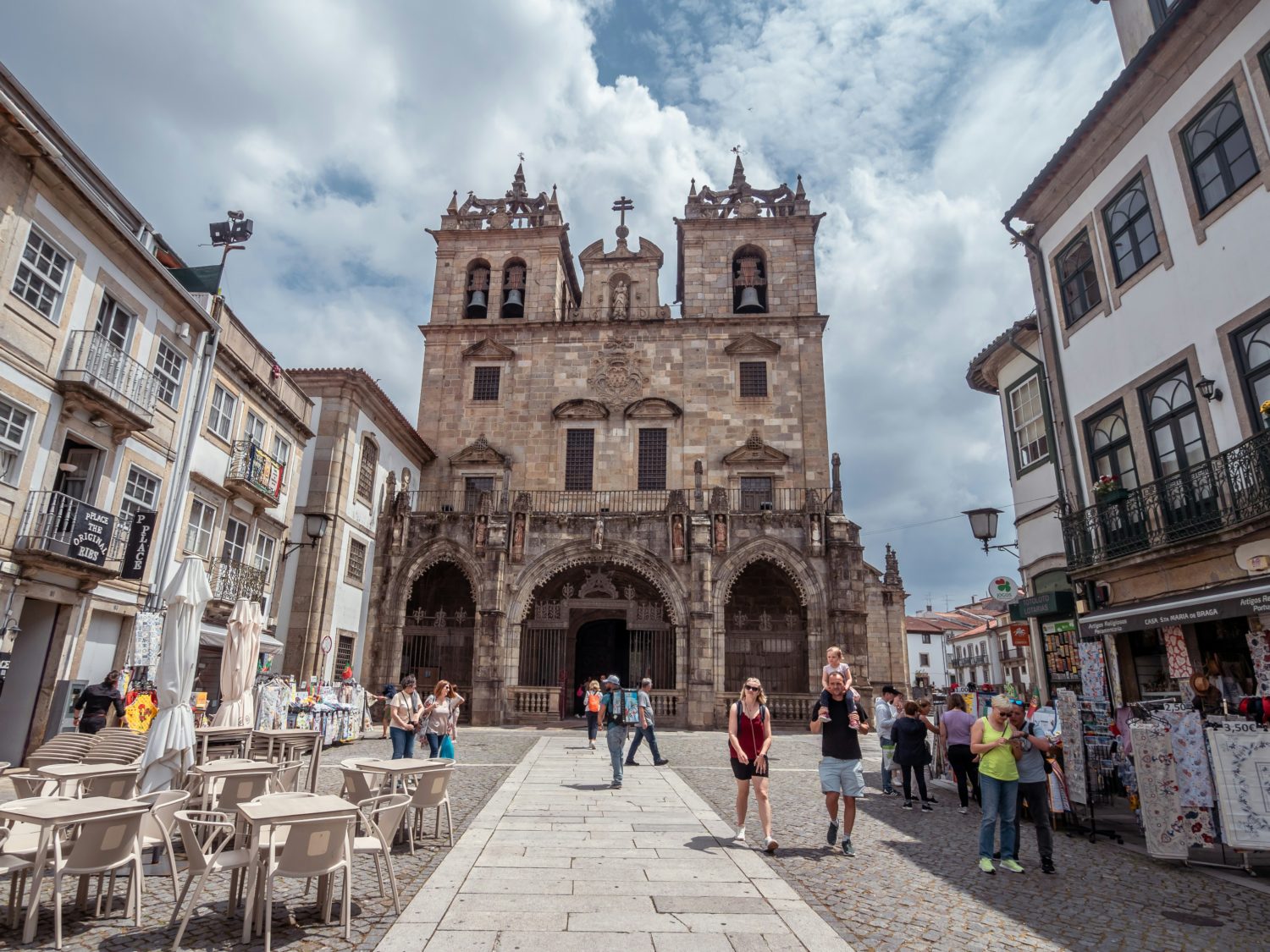
Nearby, Braga and Guimarães provide glimpses into different phases of Portuguese history. Braga’s religious architecture speaks to its long-standing ecclesiastical influence, whereas Guimarães is associated with early state formation and medieval governance. Each city highlights specific aspects of cultural evolution that contribute to northern Portugal’s distinct identity.
The Douro Valley continues to draw attention for its terraced agricultural landscapes shaped over generations. Stone terraces, vineyards, and riverside villages illustrate traditional land management techniques that evolved to accommodate steep terrain and microclimates. These elements are central to understanding how human activity has shaped northern Portugal’s environment throughout history.
The Alentejo: expansive horizons and ancient roots
The Alentejo marks a shift from northern density to a terrain defined by open plains, cork oak forests, and long agricultural histories. Évora, one of its principal urban centers, presents an array of Roman, medieval, and Renaissance structures contained within well-preserved city walls. Archaeological investigations in the region continue to uncover new evidence of prehistoric settlements, contributing to broader research on Iberian cultural development.
Beyond Évora, the landscape’s vastness is punctuated by small villages, hilltop castles, and megalithic monuments. These elements highlight the region’s long timeline of human habitation and the continuity of rural life shaped by climate, soil, and traditional farming practices.
The Algarve: from coastal cliffs to inland traditions
Reaching the Algarve introduces travelers to dramatic coastal formations, including limestone cliffs, sea arches, and sheltered coves formed over millennia. While widely recognized for its shoreline, the region’s interior offers additional insights into southern Portuguese culture. Villages in the Serra de Monchique preserve agricultural techniques suited to mountainous terrain, as well as crafts and food traditions rooted in local resources.
Archaeological sites near the coast demonstrate early maritime trade influence and settlement patterns shaped by Portugal’s long interaction with surrounding civilizations. Together, the Algarve’s inland and coastal environments show how geography influenced social organization and economic activity.
A cohesive journey through Portugal’s diverse landscapes
An itinerary stretching from Alfama to the Algarve reveals a country defined by layers of history, environmental variety, and evolving cultural practices. Each region contributes uniquely to Portugal’s identity, offering distinct perspectives on settlement, architecture, and adaptation to landscape. By moving through these varied environments, travelers gain a deeper understanding of how Portugal’s past and present intertwine across its urban centers, rural expanses, and coastal territories.