London’s dining scene has always loved a plot twist, but 2026 looks ready to shake the table. The capital feels hungrier, braver and more curious, and chefs are leaning into that appetite with ideas that blur the lines between nostalgia and newness. Think flames, forgotten cuts, late nights and dishes that behave more like stories than plates of food. As the pace of the city shifts, so do the ways we eat, gather and indulge.
We spoke to some of the UK’s most forward-thinking chefs about the flavours and philosophies that will define the coming year. Here’s what to expect when the future lands on your table.
Communal Tables and After Dark Appetite
If recent years were about personal space, 2026 is drifting back toward something warmer. According to Carlo Scotto of BEAR, connection is taking centre stage again.
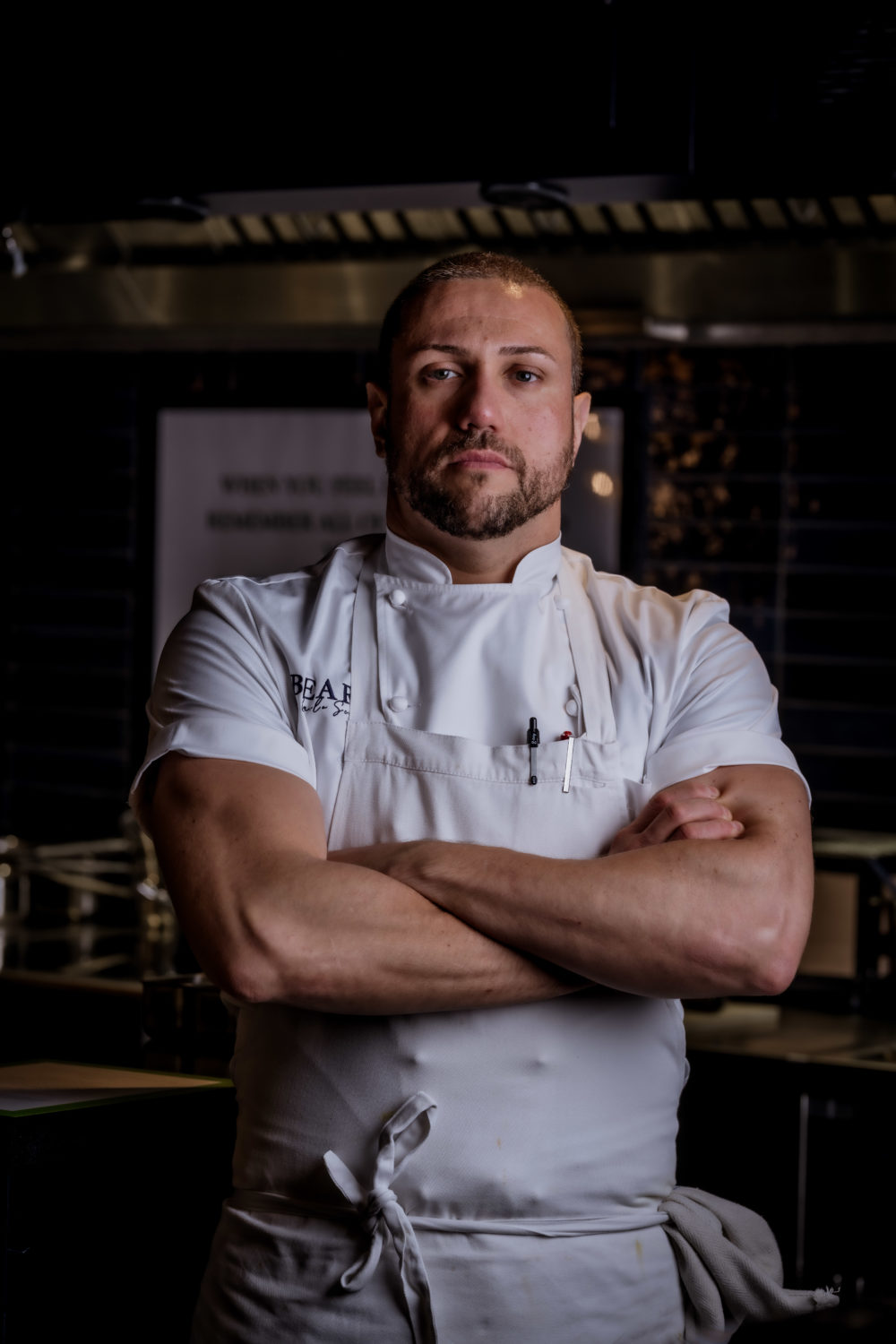
“In a world of technology, people are seeking meaningful connection, so communal dining is quietly finding its way back into restaurants. Strangers sharing the same table and experiencing the same dish together breaks down walls: what better way to bond than over food?”
This hunger for togetherness extends into the late hours too. Benjamin Ferra Y Castell of Michelin starred Pavyllon London sees London’s evenings stretching well past dessert.
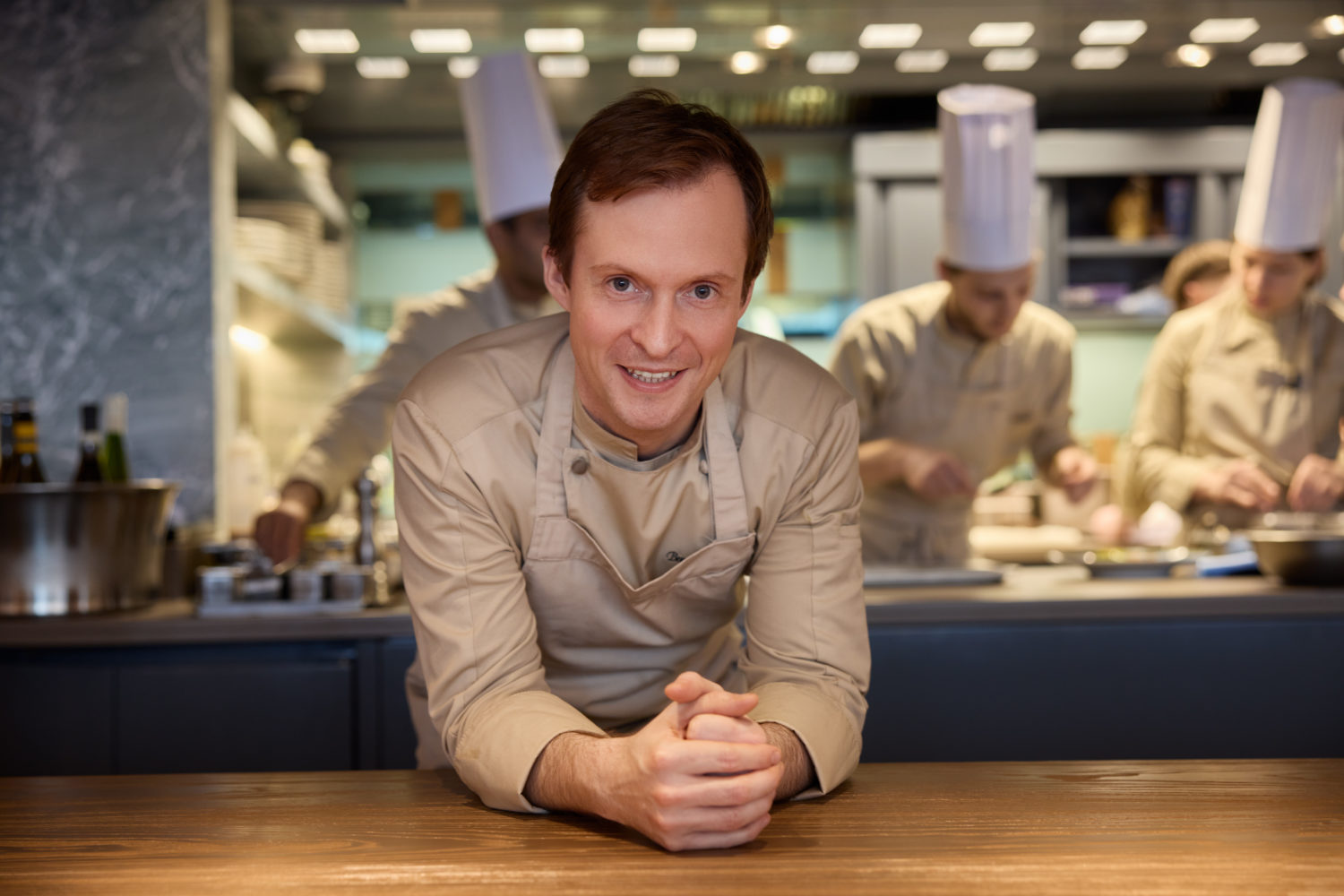
“In 2026, people are seeking flexibility and connection, with dining experiences that bring them together. Late night dining is making a comeback, opening up the city’s after dark scene, with some incredible offerings and special menus post 9pm.”
French Classics, Global Heat and a Return to Sweet Nostalgia
Expect menus to read like a conversation between centuries and continents. Brian Hennessy at The Landmark London points to a confident return of French technique.
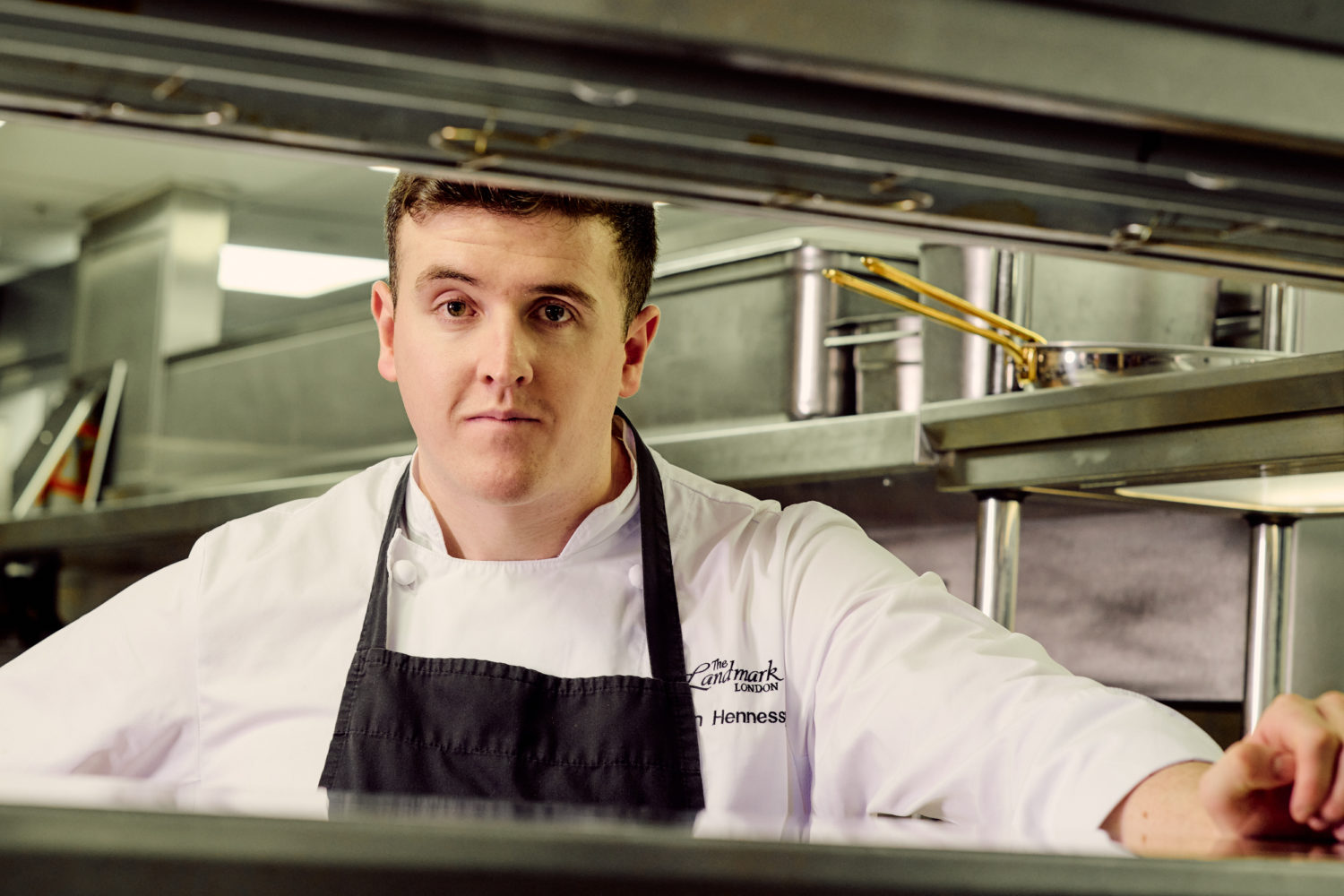
“French inspired dishes and ingredients are firmly on the menu. Pâté en croûte is seeing a revival, while classic offal dishes like pig’s trotter, calves’ liver and tripe are being reimagined with finesse.”
At the same time, Southeast Asia and the Middle East keep pulling diners in. Tim Dela Cruz of Smiths of Smithfield says the colour and comfort of those regions are only growing stronger.
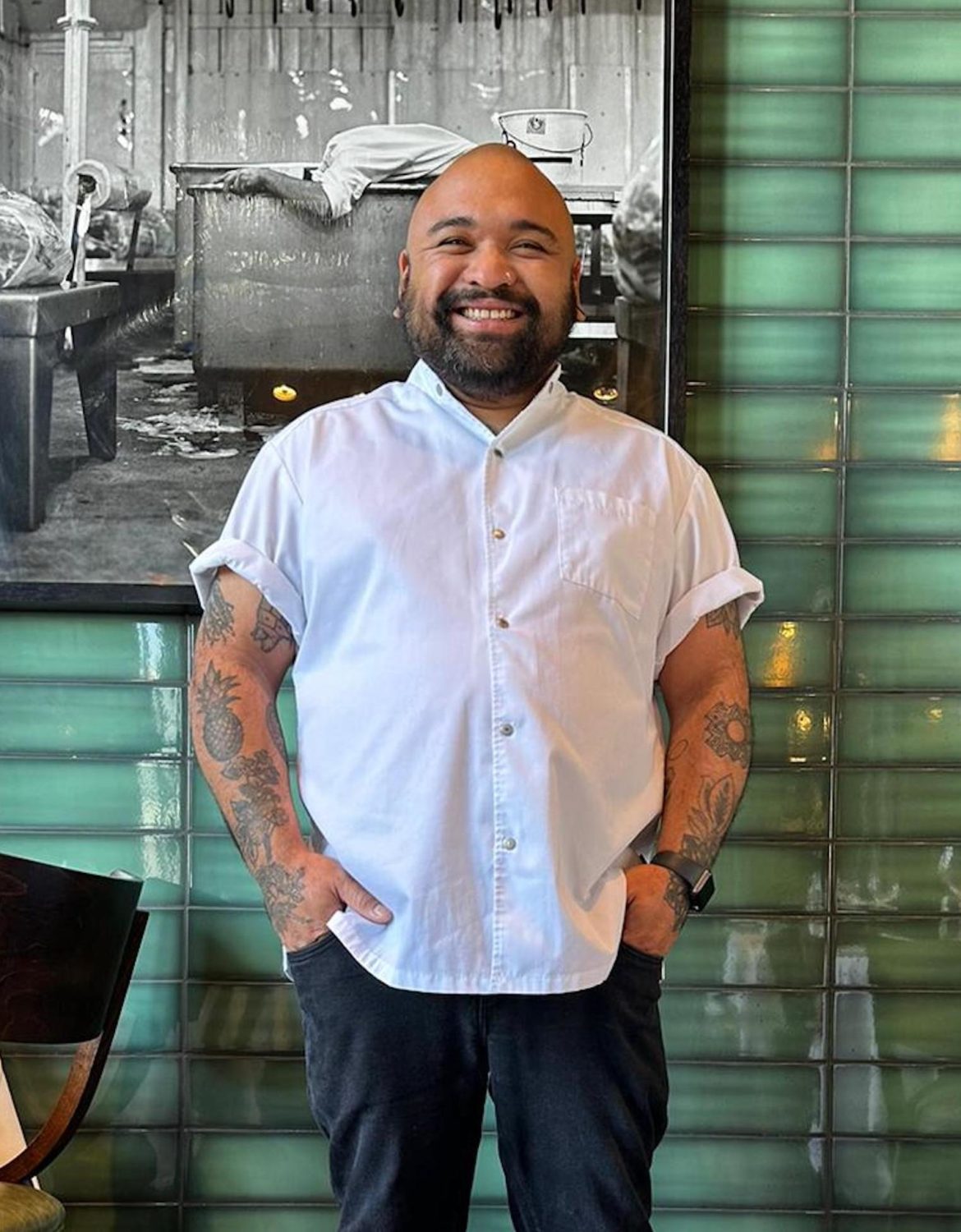
“Southeast Asian and Middle Eastern cuisines will continue to increase in popularity, with ingredients like ube, pandan and tamarind showing up on menus. The nostalgia trend will see forgotten flavours and dishes, such as suet pies and school cakes with custard, returning to menus with a more elevated approach.”
Flames, Patience and a Deeper Respect for the Land
Slow craft is having a moment. Luca Mastrantoni of Ekstedt at the Yard predicts a continued fascination with elemental cooking.
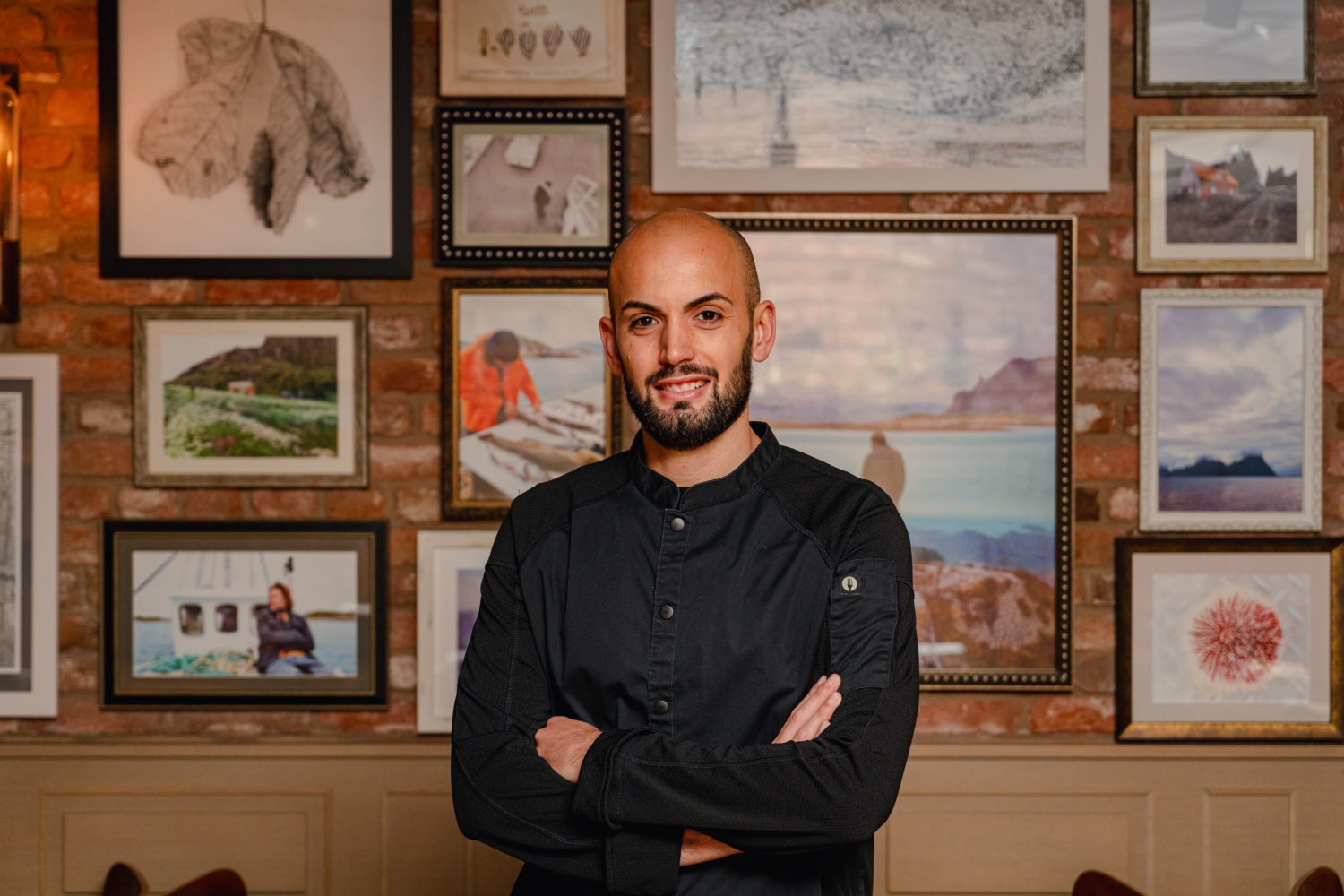
“We’ll continue to see a focus on slow, hands on cooking methods, especially those using open flames and ancient techniques that involve curing and preserving. There’s a growing appreciation for time, care and craftsmanship in the kitchen.”
Beyond the pass, farming is shifting too. Elliot Day of FieldGoods believes consumers are ready to look back in order to move forward.
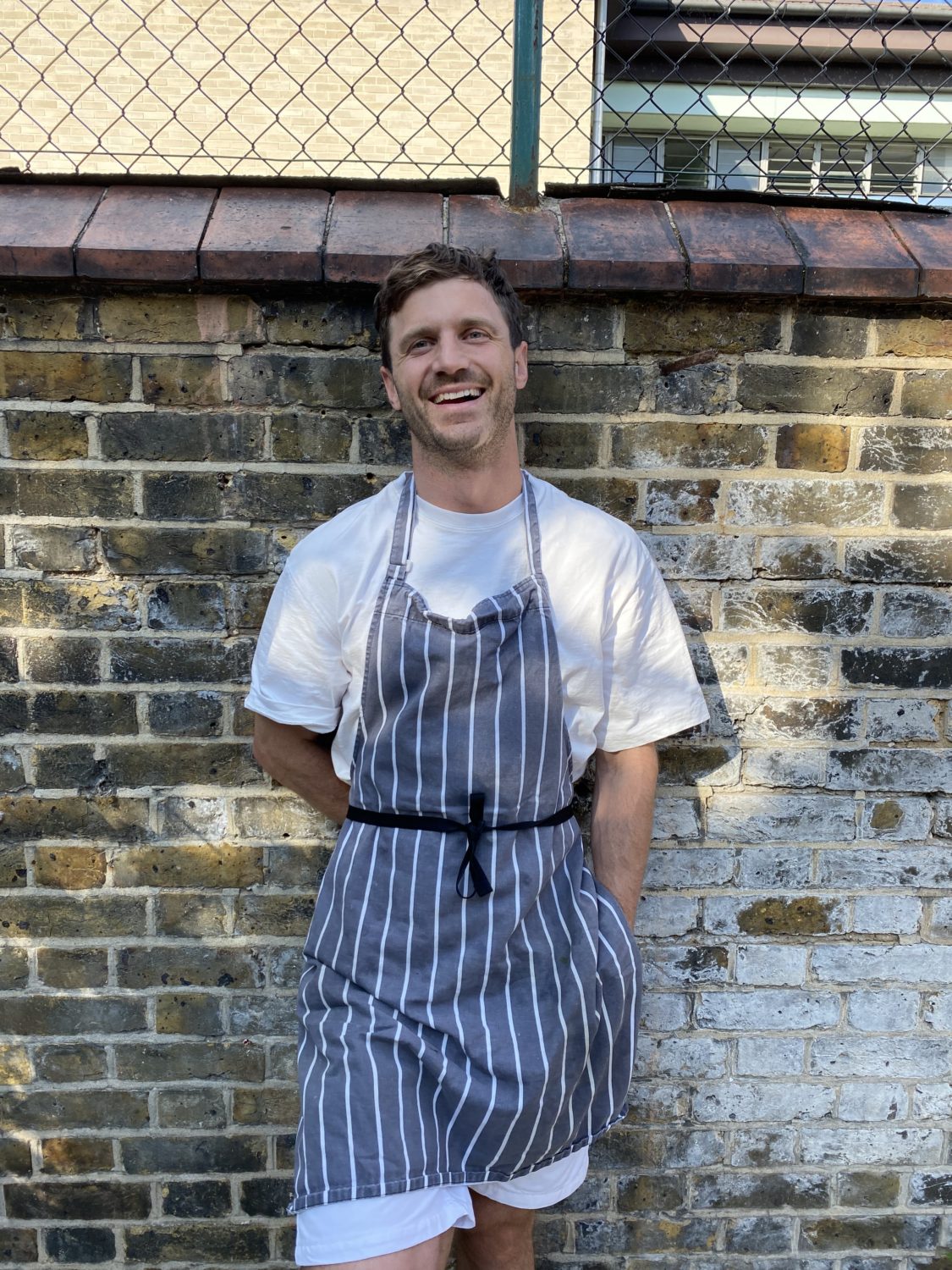
“I think regenerative agriculture will be a focus, looking at how we cultivated land centuries ago and utilising those methods in farming practices today. It’s always been essential to farm in a way that works in harmony with nature, and it’s something consumers are beginning to prioritise.”
Street Food Grows Up
Casual dining is getting theatrical. Kerth Gumbs of Fenchurch sees creativity rising from the pavement.
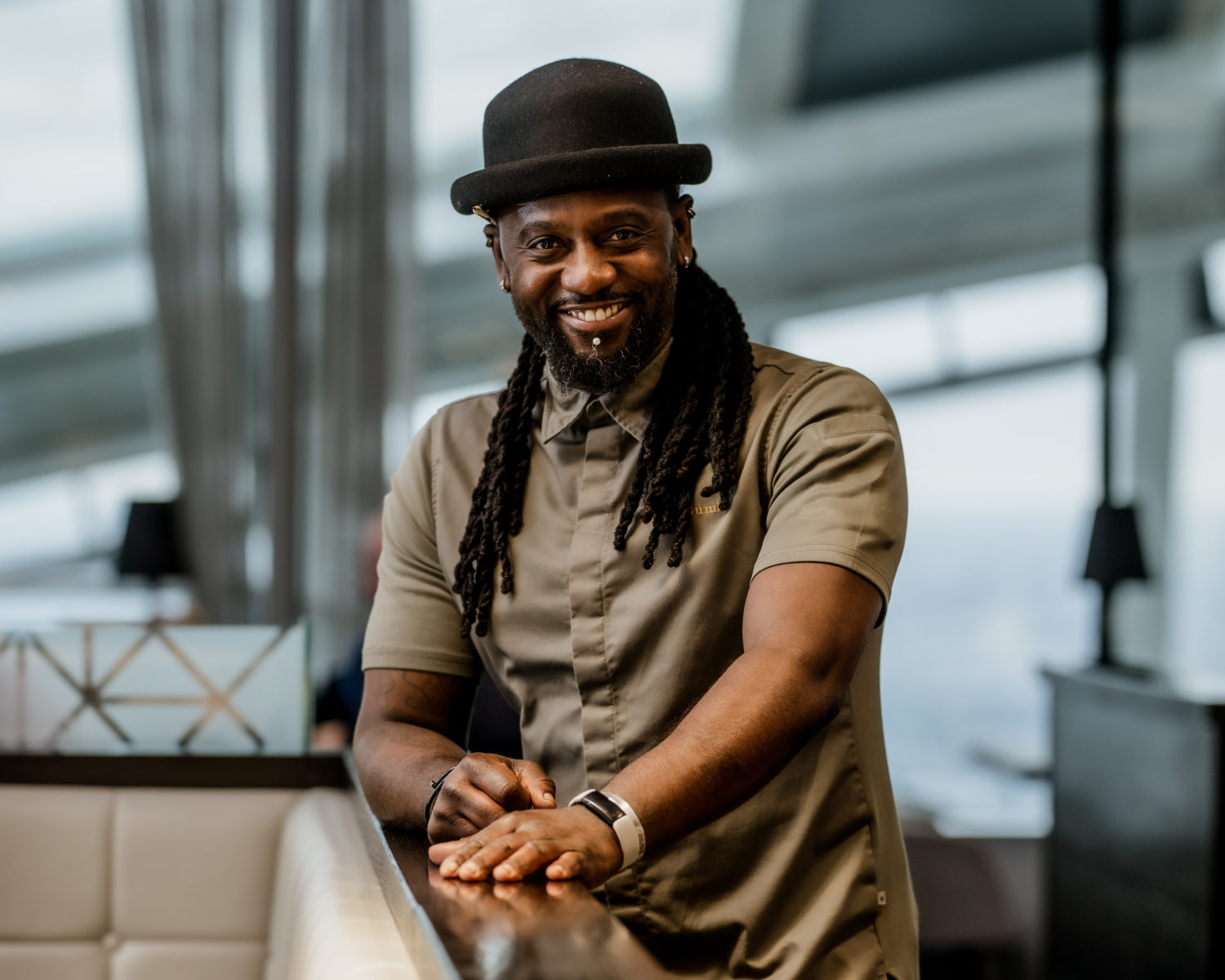
“I think street food will step up as diners increasingly crave theatre and craft from their casual dining. I expect we’ll see chefs pairing accessible, affordable ingredients with playful presentation and layered flavours, letting each dish tell its own story.”
Protein Goals and Plates with Purpose
Food as fuel will drive menu choices in the year ahead. Robert Pearce of Down Hall Hotel, Spa and Estate highlights a shift toward dishes built with intention.
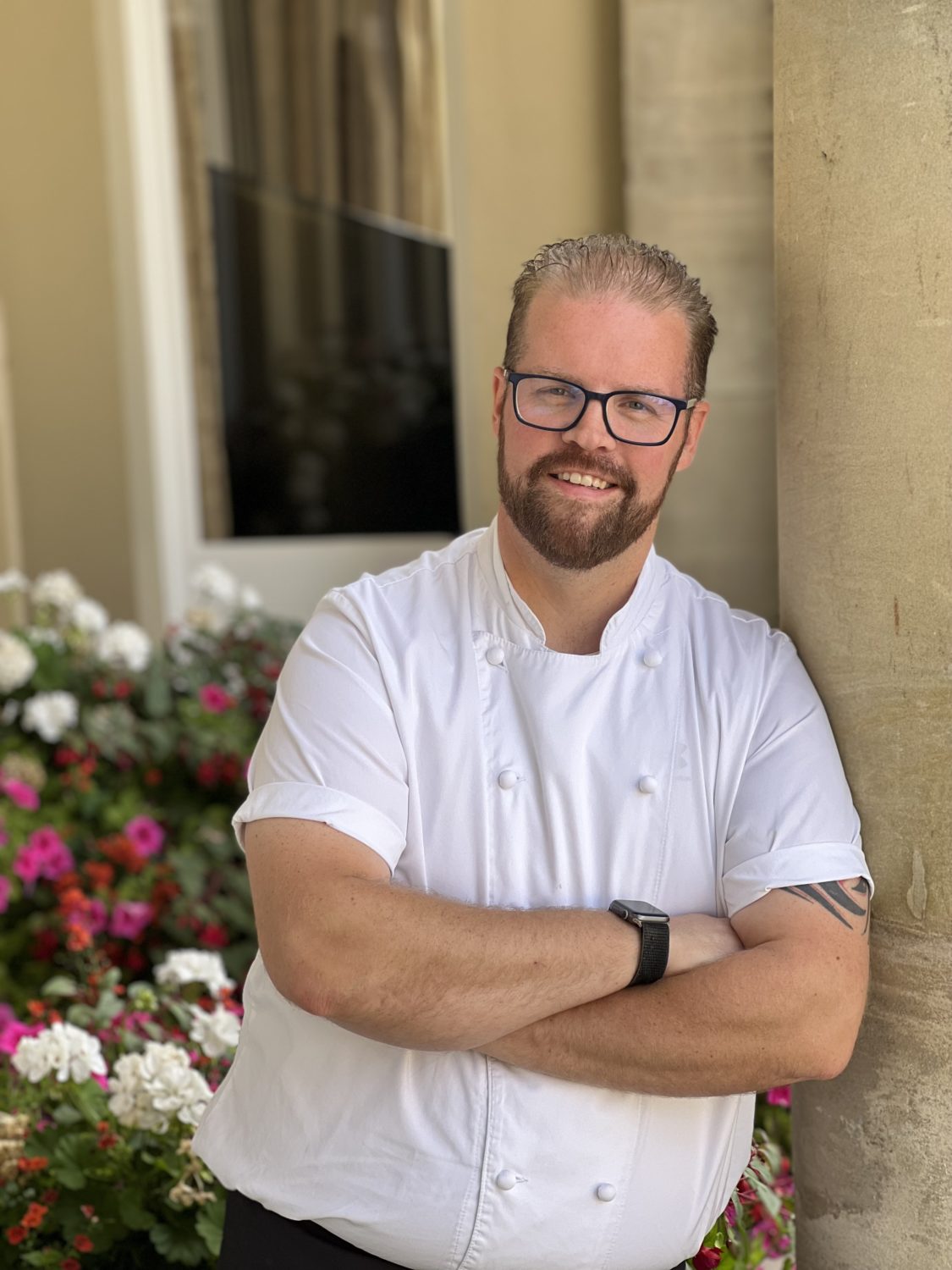
“Next year people will focus on eating with intention, with a big focus on protein rich plates that fuel the body. With more than half of the UK looking more at their protein intake, every element should earn its place feeding the gut, strengthening the body and connecting diners to how their food is grown.”
Zero Waste Thinking Goes Mainstream
Chefs are treating waste as a creative challenge rather than a problem to hide. Vivek Singh of The Cinnamon Collection expects this mindset to push technique even further.
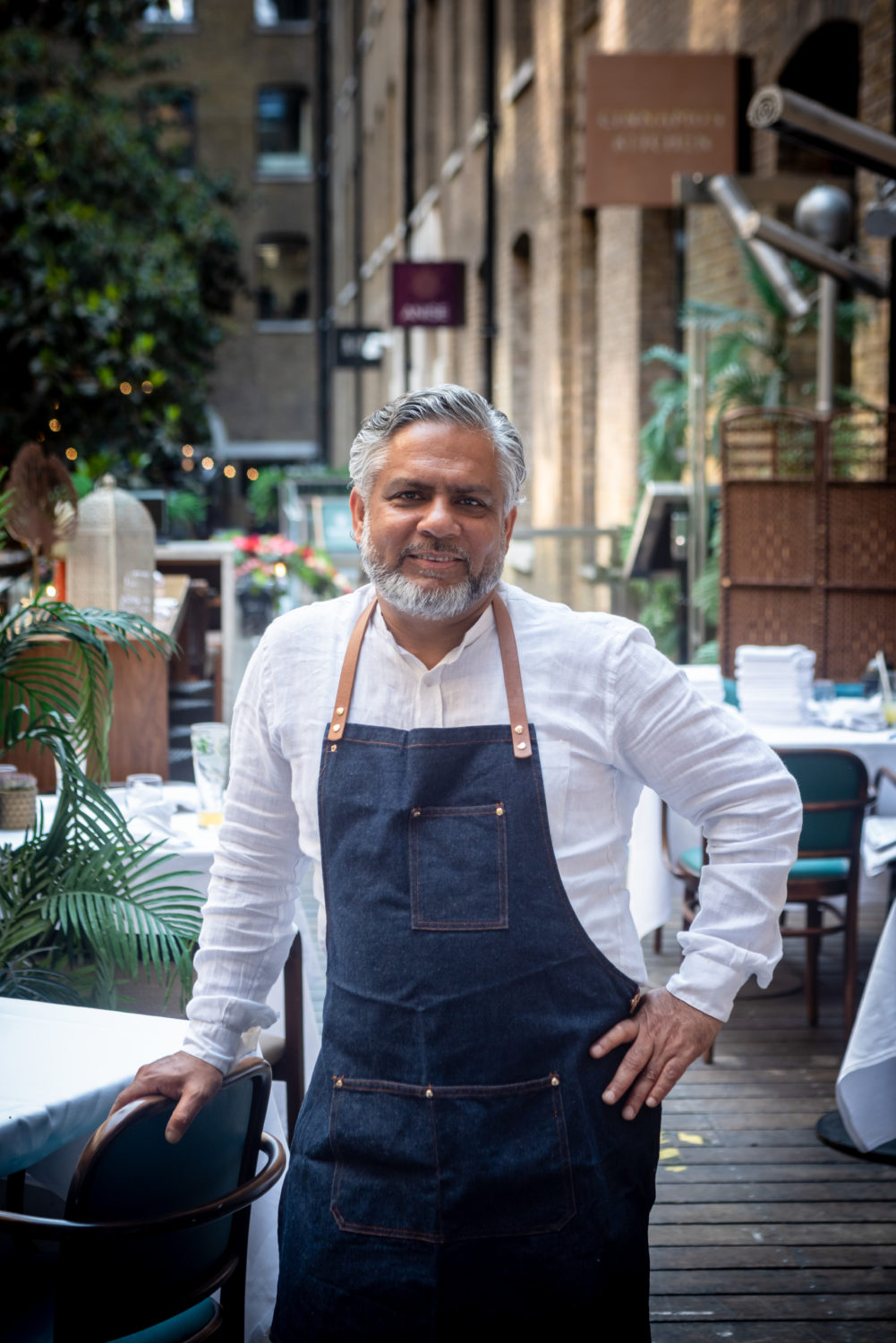
“We will see more examples of dishes using every part of an ingredient and reducing waste. For example, I think we will see more chefs using offcuts to make preserves, pickles and ferments to complement their dishes and eliminate waste.”
It’s an economic shift as much as a sustainable one, says Natalie Coleman of The Garrison.
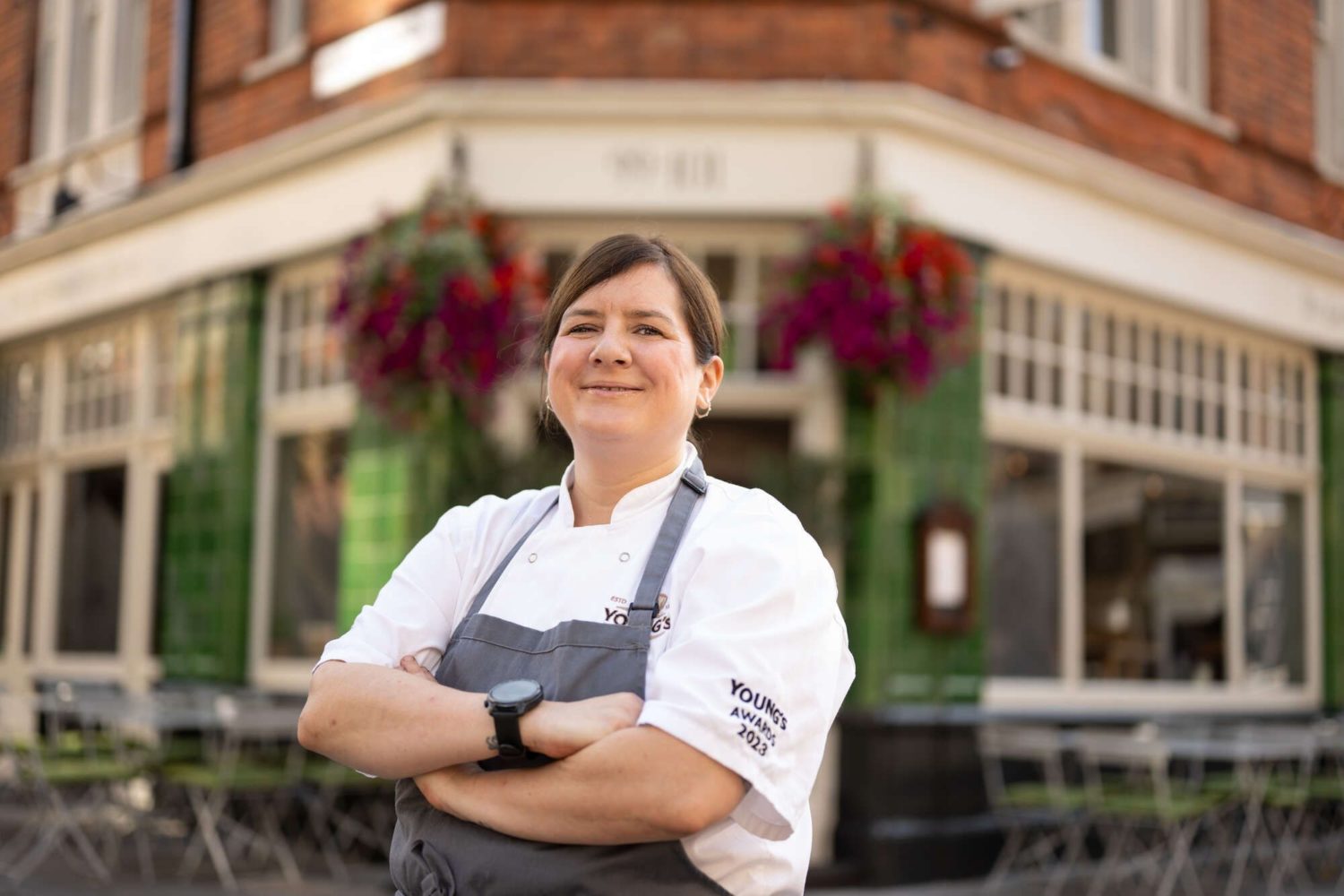
“Zero waste cooking is growing in UK restaurants, with chefs like Adam Handling creating world class dishes from ingredients that would normally be discarded. From a cost-of-living perspective, it’s a smart move too, as using every part of an ingredient helps boost margins while supporting sustainability.”