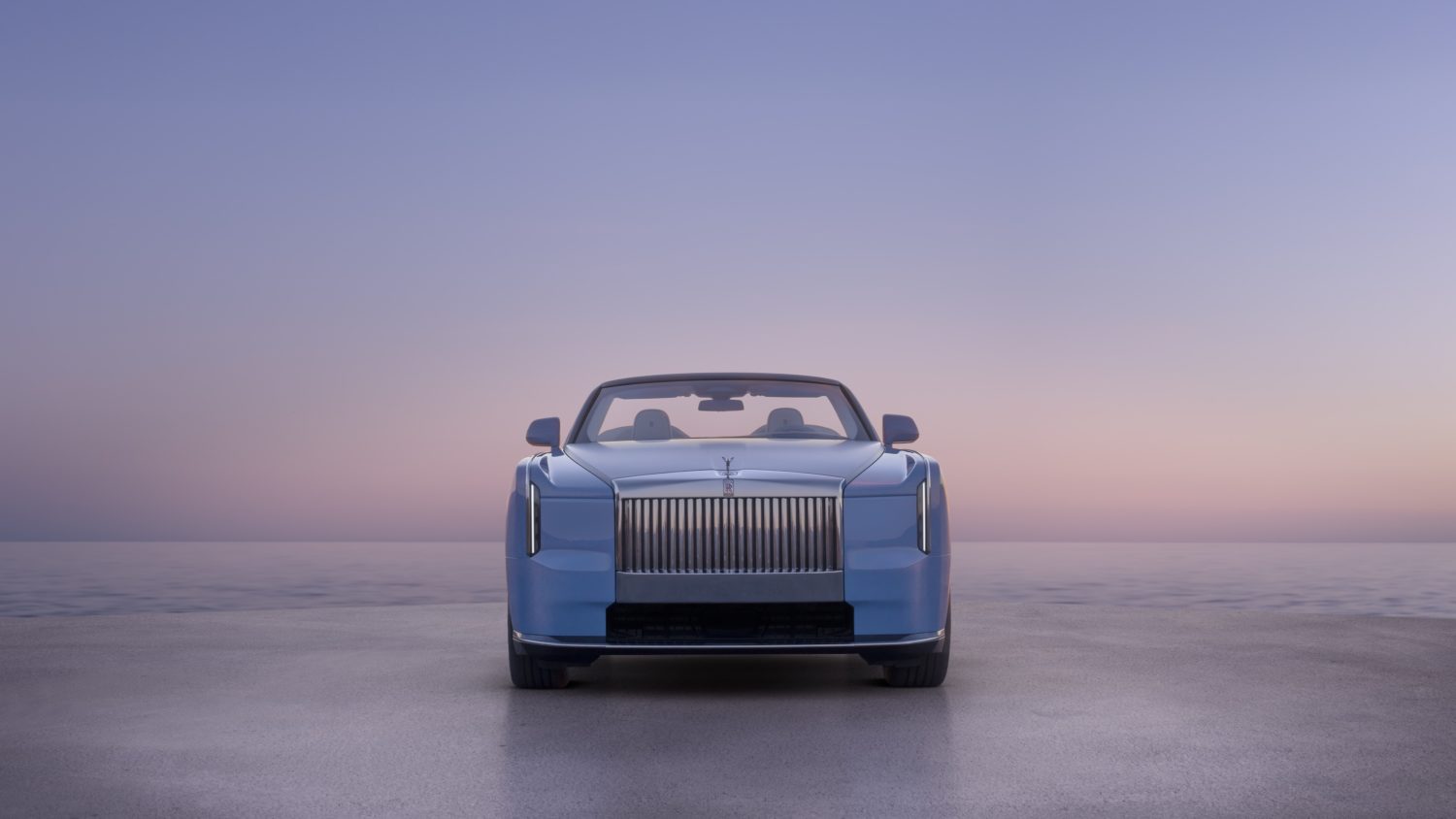
There are moments in the history of Rolls-Royce Motor Cars when the marque does not simply evolve, but redefines its own possibilities. Project Nightingale is one such moment.
Unveiled as the inaugural chapter of an ambitious new Coachbuild Collection, Project Nightingale is not merely a motor car, it is an idea realised with extraordinary conviction. Conceived for a rarefied circle of collectors and aesthetes, it brings together three elements never before unified within the Rolls-Royce canon: the complete artistic freedom of coachbuilding, a near-silent all-electric powertrain, and a uniquely serene interpretation of open-top motoring.
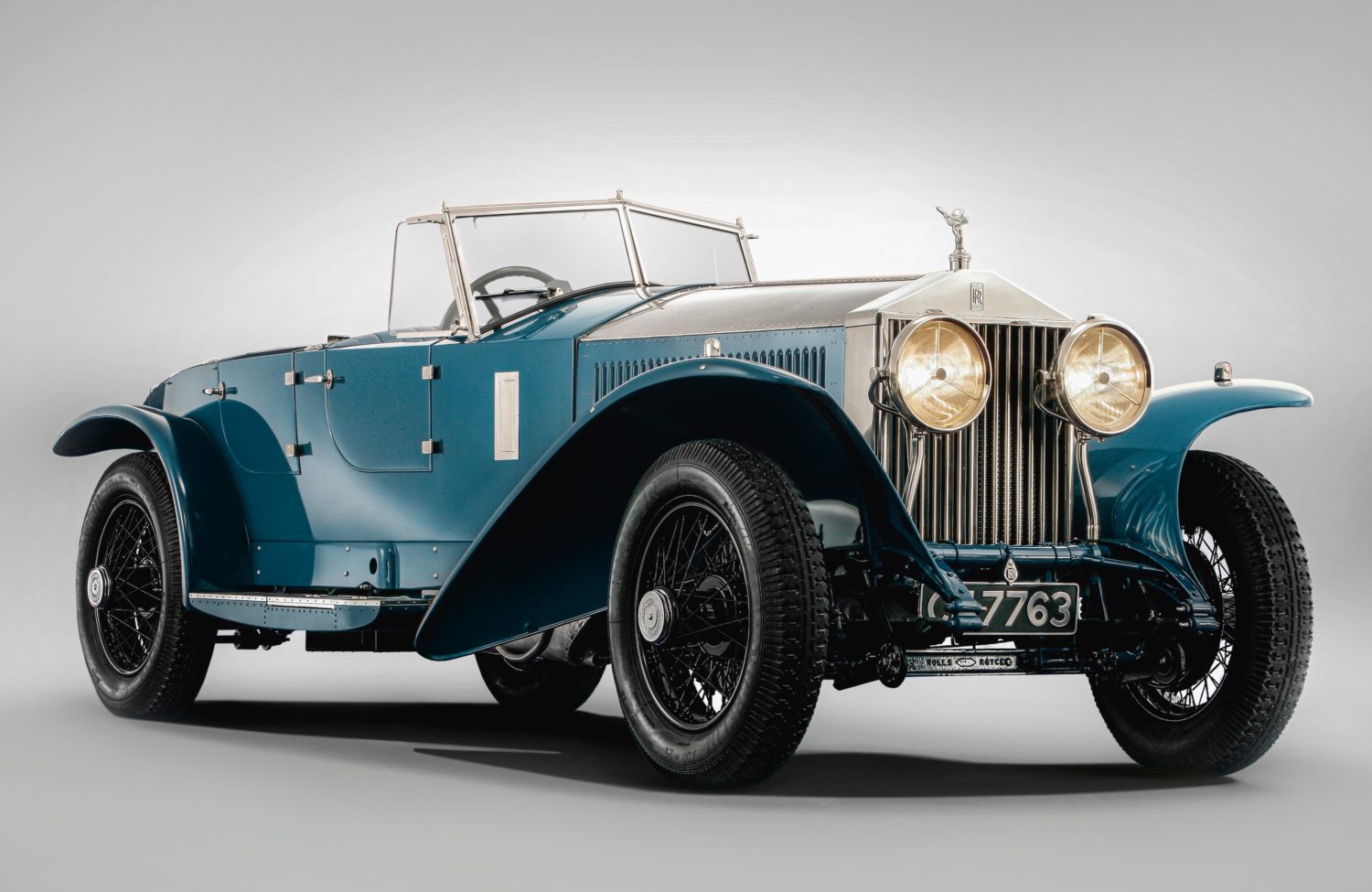
For Chief Executive Chris Brownridge, the project is nothing less than a defining statement of intent, one that echoes the audacity of the marque’s experimental ‘EX’ motor cars conceived by Henry Royce in the early twentieth century. That pioneering spirit, once expressed through radical engineering, is now translated into a new language of silence, form and experience.
“Some of the most discerning Rolls-Royce clients in the world asked us for our most ambitious work. We responded by bringing three things together that have never coexisted within our brand: the complete design freedom of coachbuilding, our powerful, near-silent all-electric powertrain, and a uniquely potent yet serene expression of open-top motoring – an experience that only this technology makes possible. Achieving this required the same audacious mindset that drove our co-founder, Sir Henry Royce, to create his radically different experimental ‘EX’ motor cars of the 1920s. Project Nightingale shares the spirit of those landmark projects and is the most extravagant expression of what Rolls-Royce is capable of today.”
Chris Brownridge, Chief Executive, Rolls-Royce Motor Cars
Named after Le Rossignol, the nightingale, Project Nightingale draws poetic inspiration from the Côte d’Azur, where Henry Royce once spent his winters. Yet its aesthetic language is far from nostalgic.
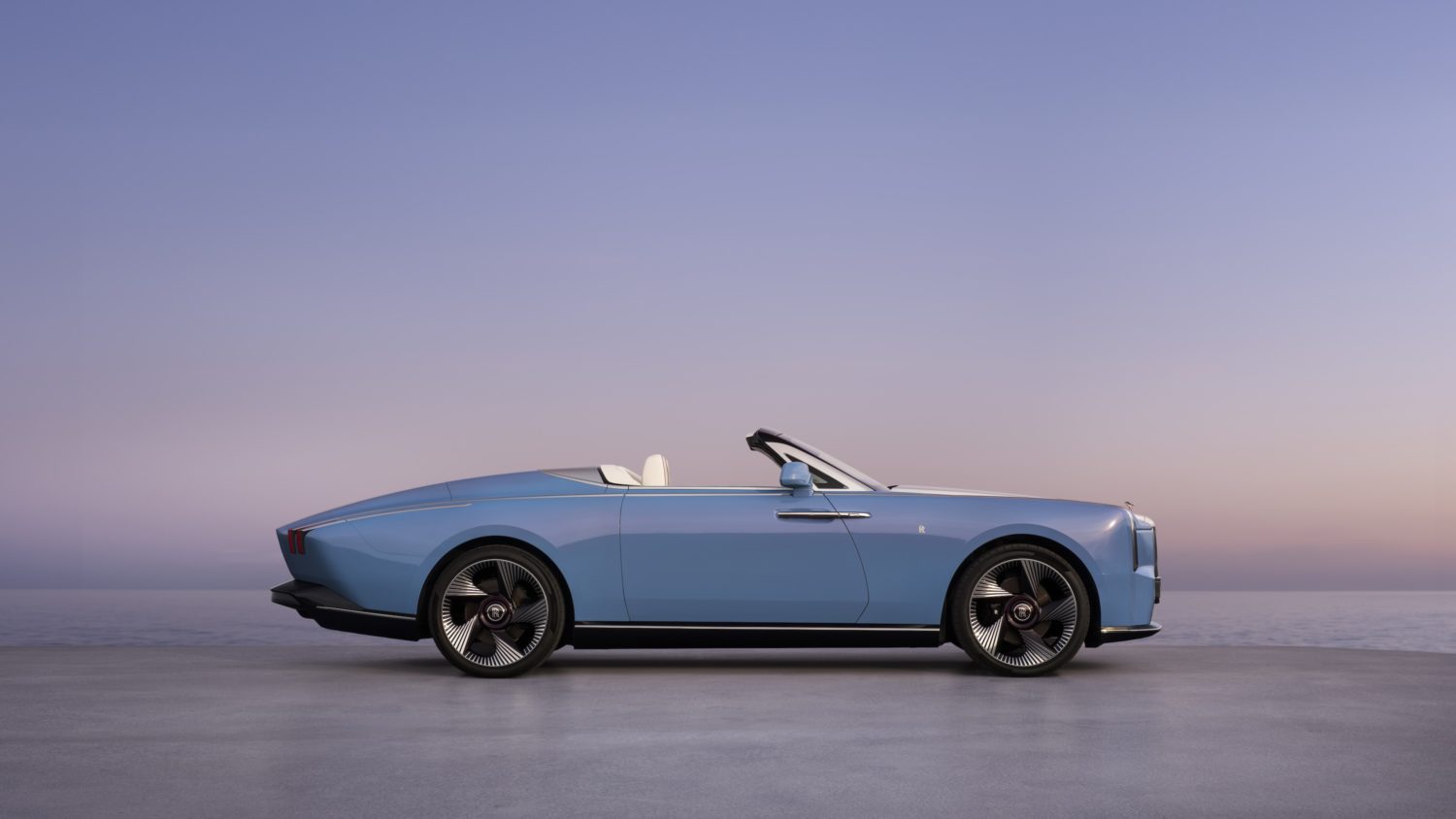
At 5.76 metres in length, its proportions rival those of Phantom, but its purpose is entirely different: a two-seat, open motor car devoted to intimacy rather than grandeur. The silhouette is commanding, yet distilled, an exercise in restraint and precision.
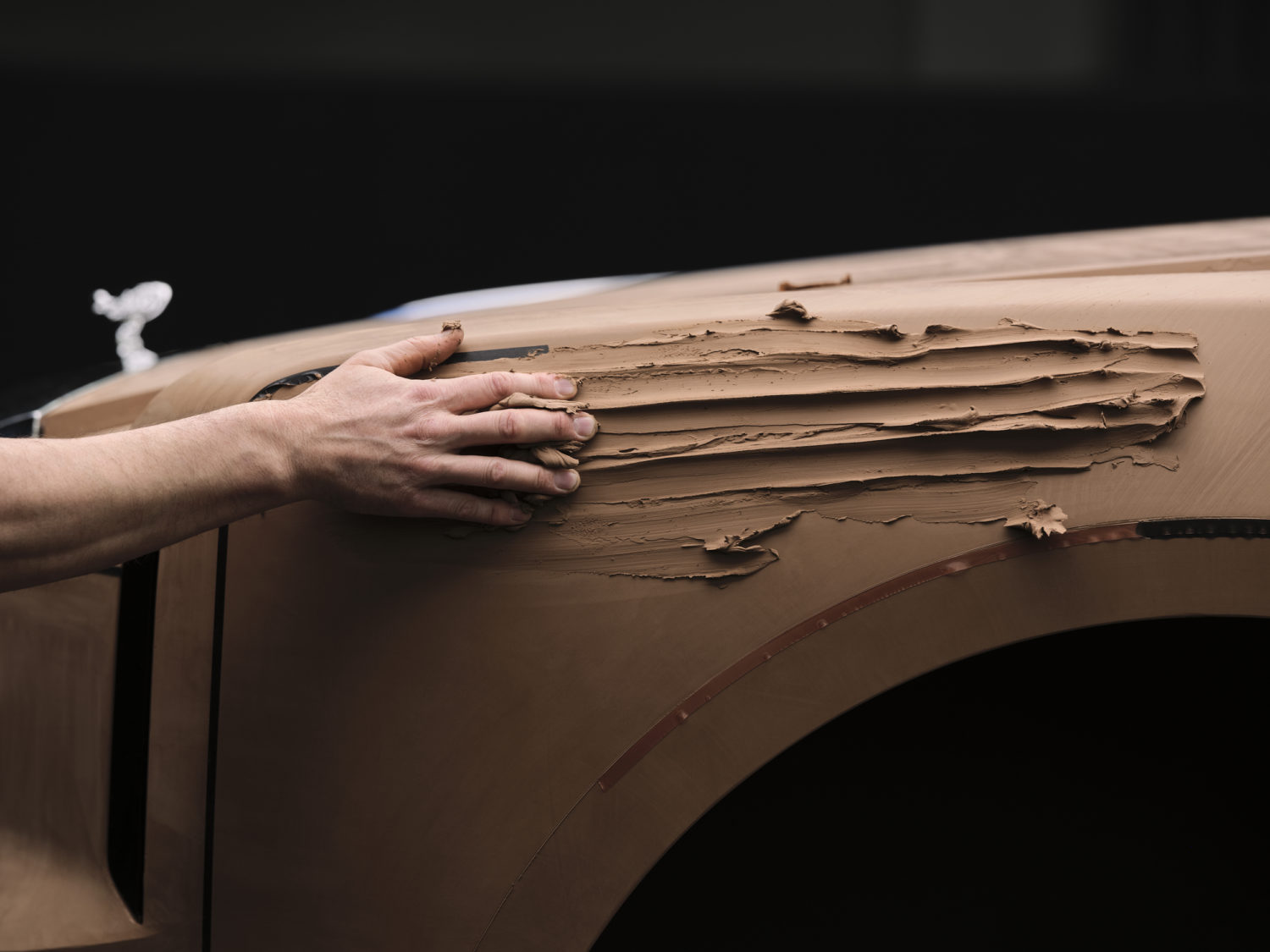
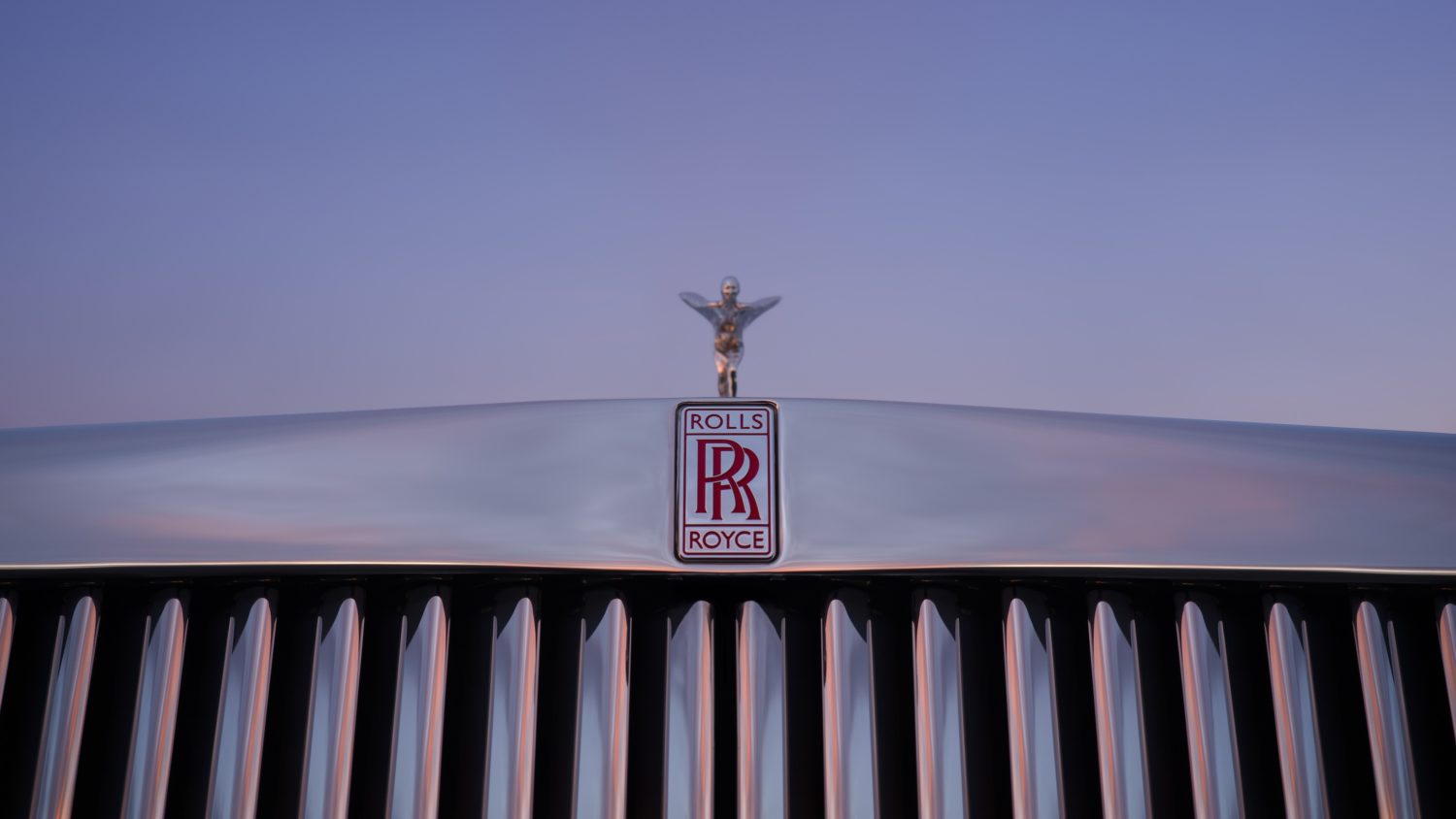
Under the direction of Domagoj Dukec, the design adheres to three defining principles: upright to flowing, central fuselage, and flying wings. The iconic Pantheon grille stands resolute at the fore, before dissolving seamlessly into a sweeping, uninterrupted body, a single sculptural gesture that appears carved from a solid billet.
“Project Nightingale is built on the design principles that define this marque at its most compelling – grand proportions, absolute surface discipline, and a clarity of line that rewards the closest attention. And yet, it takes them somewhere entirely new. For me, this landmark motor car feels both inevitable and completely unexpected, and it will shape everything that follows.”
Domagoj Dukec, Director of Design, Rolls-Royce Motor Cars
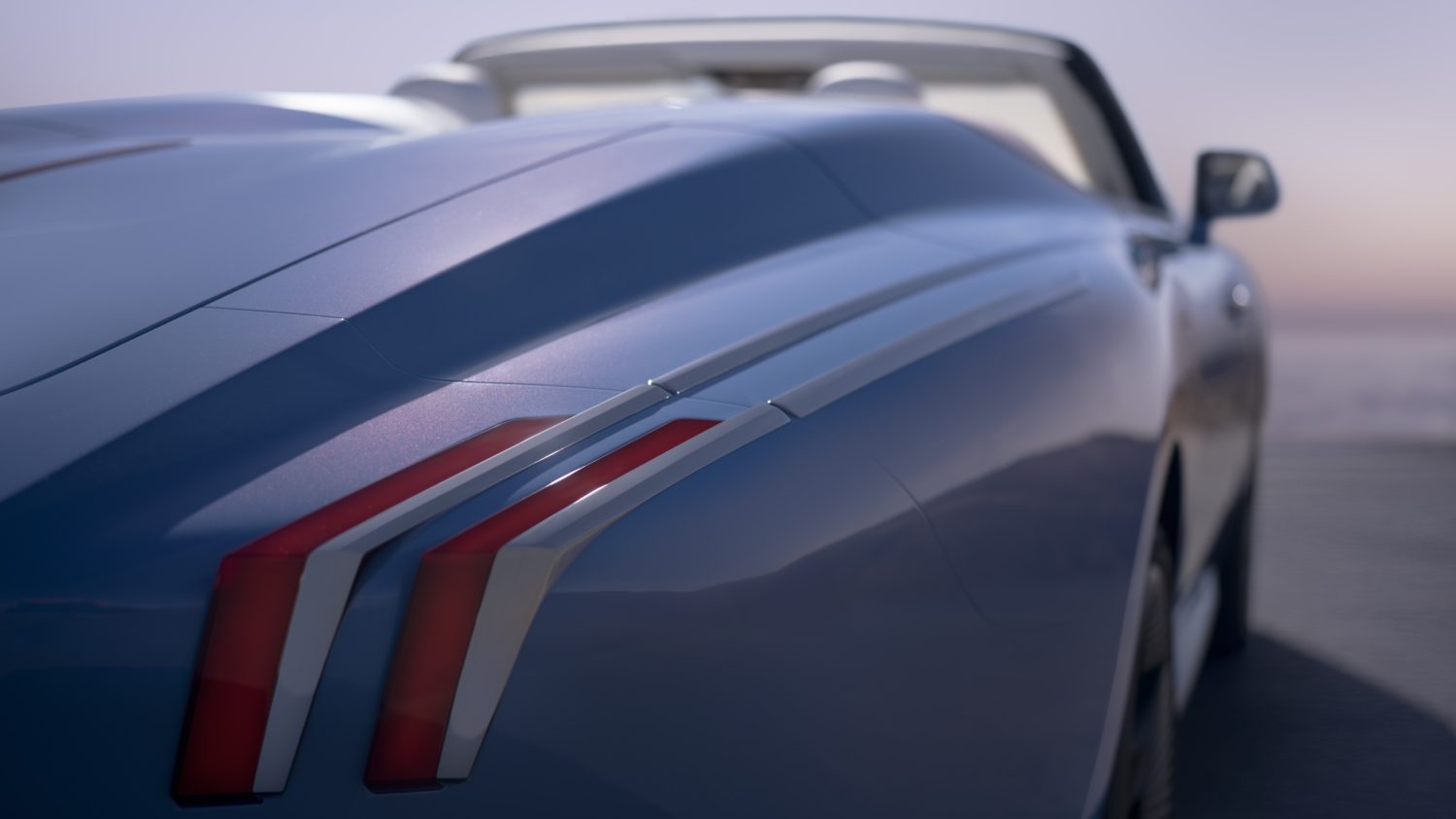
The influence of the Streamline Moderne movement is unmistakable. Ornament is secondary; surface is everything. Light travels uninterrupted across monolithic planes, rewarding the closest attention with subtle shifts in tone and reflection.
Project Nightingale is deeply rooted in the experimental lineage of Rolls-Royce, most notably the fabled 16EX and 17EX prototypes of 1928. These Jazz Age machines, engineered for speed and clothed in lightweight aluminium, introduced a bold new silhouette, long bonnet, shallow glasshouse, and a cocooned cabin set deep within the body.
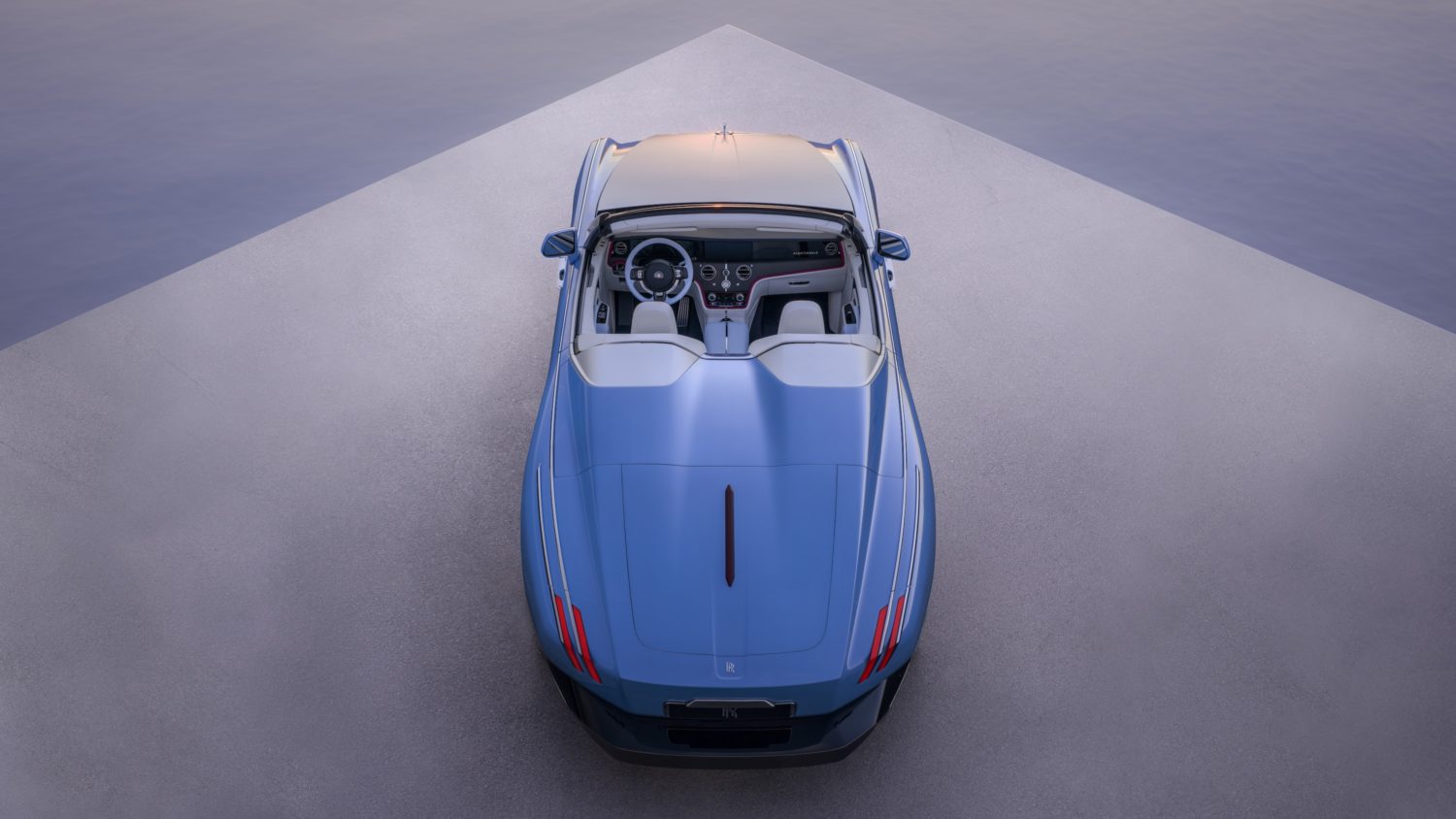
That same architectural drama is reinterpreted here. The motor car is almost entirely bonnet and tail, with its occupants placed deliberately low, enveloped by sculptural forms that create both protection and presence. A single, uninterrupted hull line runs from front to rear, echoing the purity of a yacht’s silhouette cutting through water.
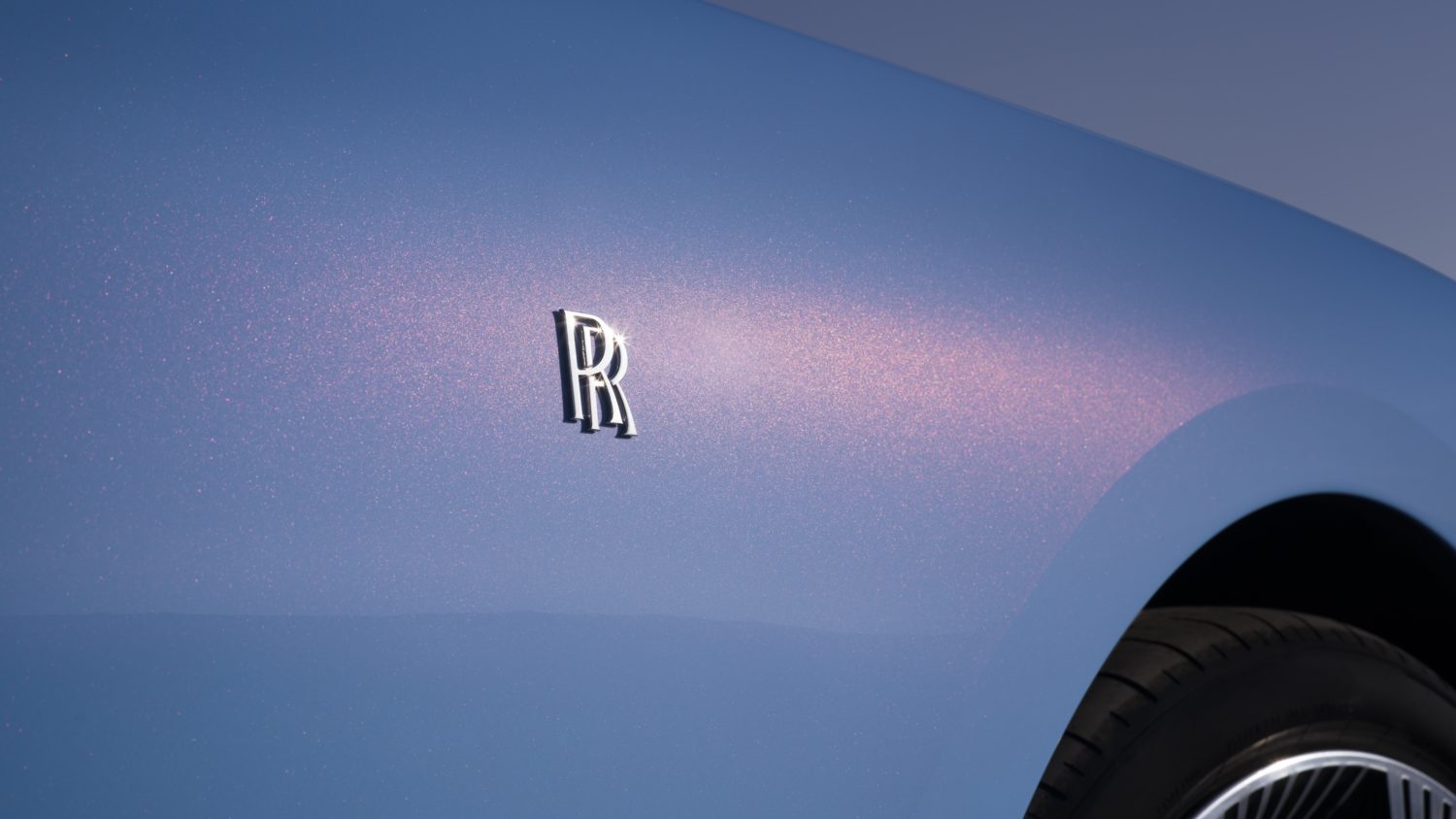
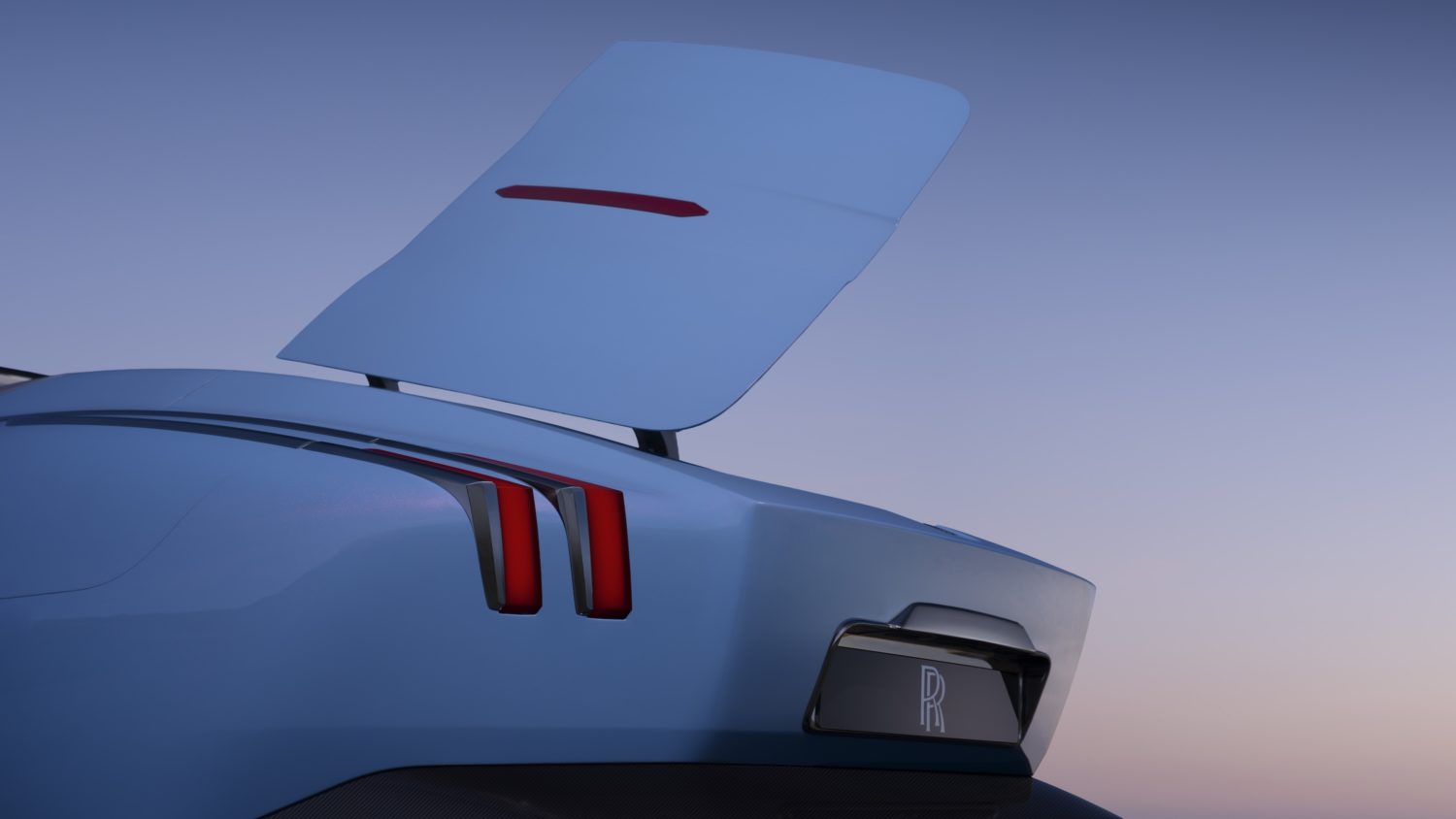
Even the smallest details speak to this philosophy. Door handles are concealed within the bodywork, indicator lamps are seamlessly integrated, and the traditional badge gives way to a restrained stainless-steel double ‘R’ monogram, applied with deliberate scarcity.
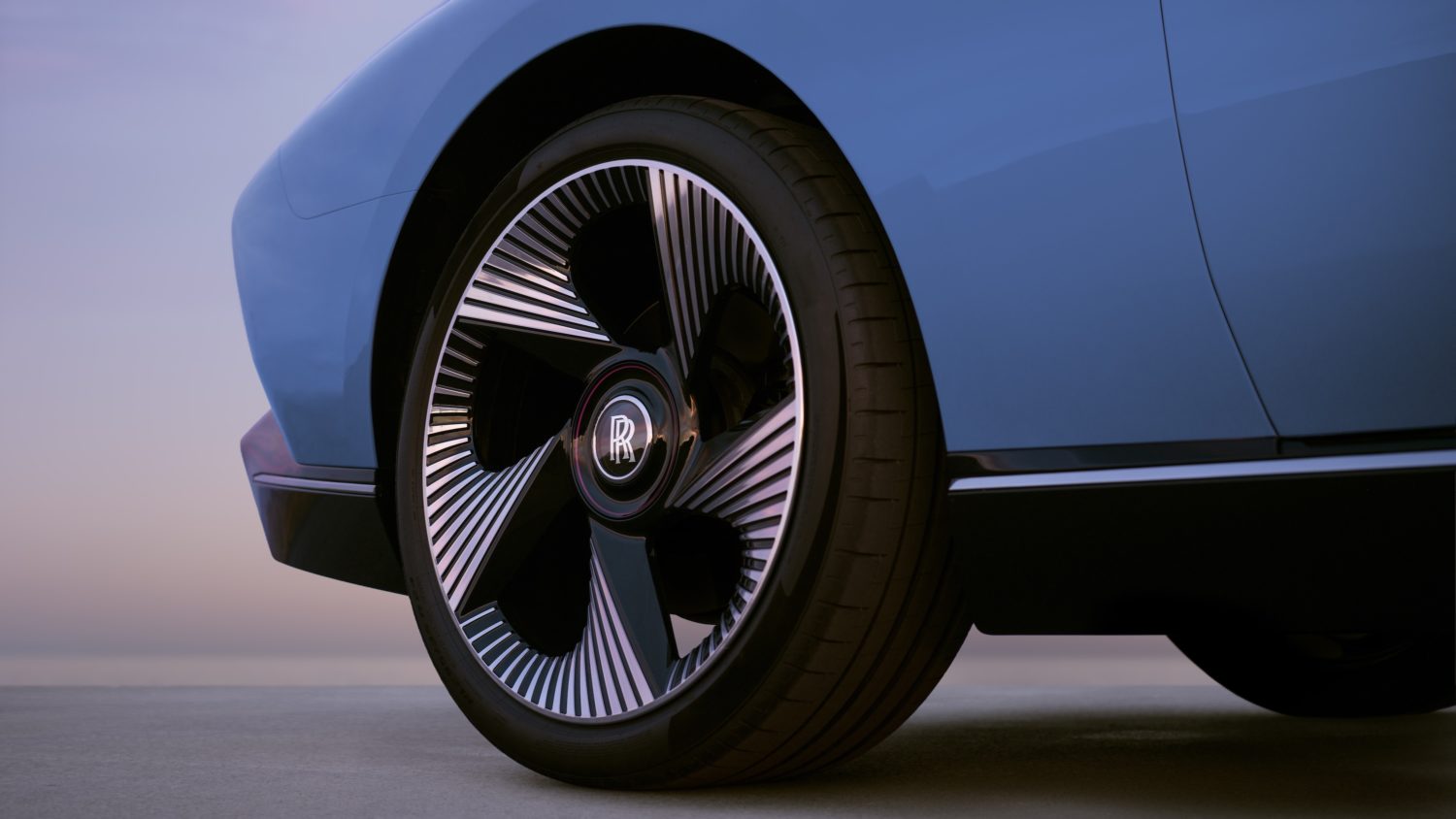
Where Project Nightingale diverges most radically from its predecessors is in its powertrain. Fully electric, it introduces a new dimension to the Rolls-Royce experience: silence not as absence, but as luxury.
With no mechanical intrusion, the sensory world expands. Lower the roof and the experience becomes almost elemental, the sound of wind moving through trees, distant waves breaking, birdsong carried across open landscapes. Engineers describe it as akin to travelling by sailing yacht: effortless, fluid, and deeply immersive.
Raise the roof, and the character transforms. A carefully engineered blend of cashmere, fabric and composite materials creates an interior environment of near-total serenity, where even the soft percussion of rain becomes part of the experience.
Inside, Project Nightingale becomes something altogether more intimate—a private world shaped by light, texture and emotion.
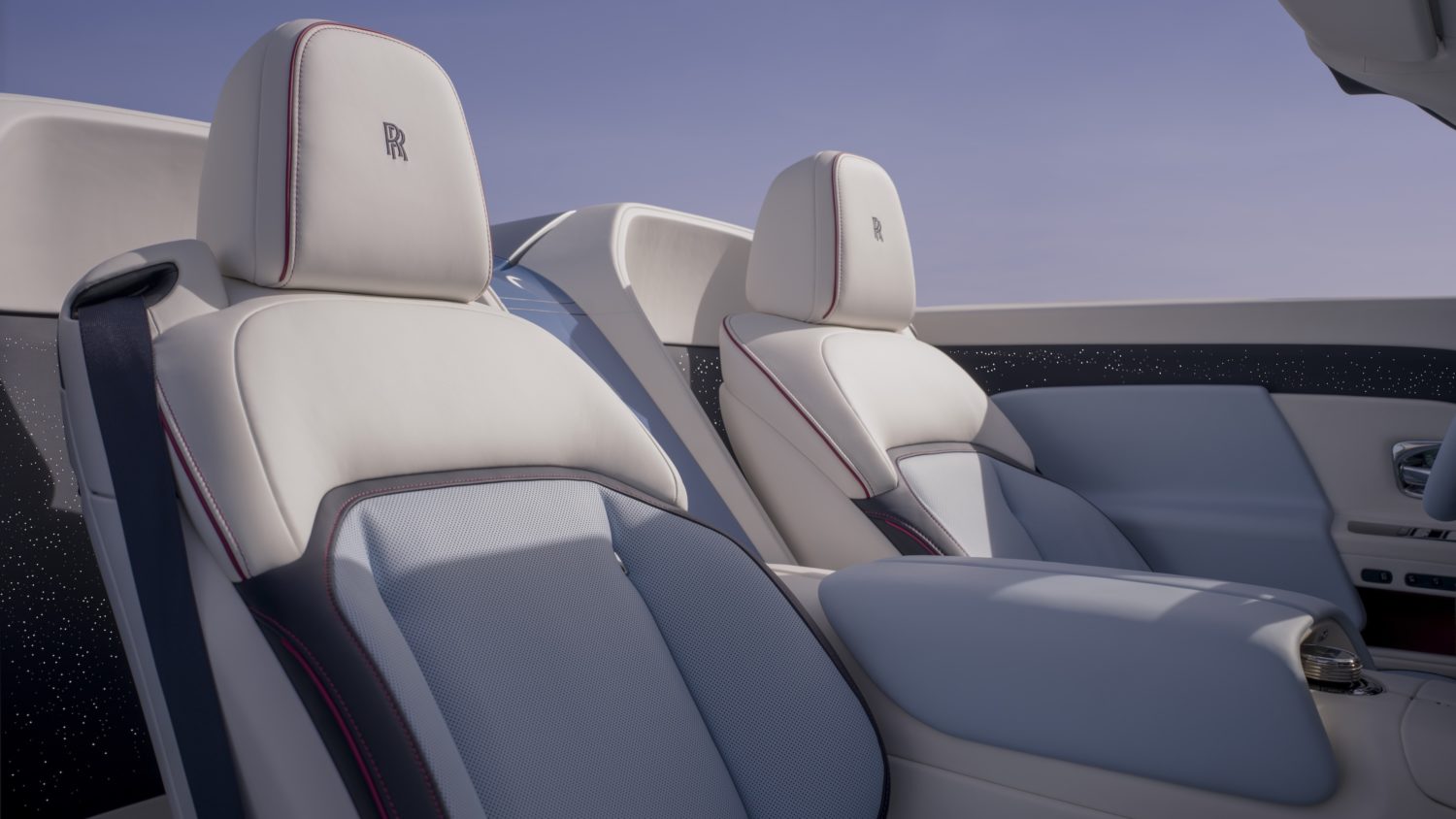
The centrepiece is the Starlight Breeze suite: an extraordinary constellation of 10,500 individual fibre-optic ‘stars’, inspired by the soundwave patterns of a nightingale’s song. This luminous installation flows around the cabin, enveloping occupants in a celestial cocoon where music is translated into light.
The architecture of the interior is defined by the ‘Horseshoe’, a sculptural form rising behind the seats, offering both visual drama and a sense of sanctuary. Materials are chosen with exquisite sensitivity: supple leathers in soft Riviera hues, open-pore blackwood arranged in a gentle ‘V’, and jewelled aluminium controls that echo the craftsmanship of haute joaillerie.
Every interaction is considered. The centre armrest glides silently to reveal the Spirit of Ecstasy controller; hidden compartments emerge with quiet precision; even the cupholders are machined from solid aluminium, transforming function into ornament.
Only 100 examples of Project Nightingale will be created, each meticulously coachbuilt by hand at Goodwood and tailored in collaboration with its commissioning client.
But ownership extends far beyond the motor car itself. Participants are invited into a multi-year programme of curated experiences, private gatherings, design consultations, and journeys to the world’s most desirable destinations, immersing them in the creation of their own motor car.
Project Nightingale does not ask what the future of Rolls-Royce might be, it answers it with absolute clarity.
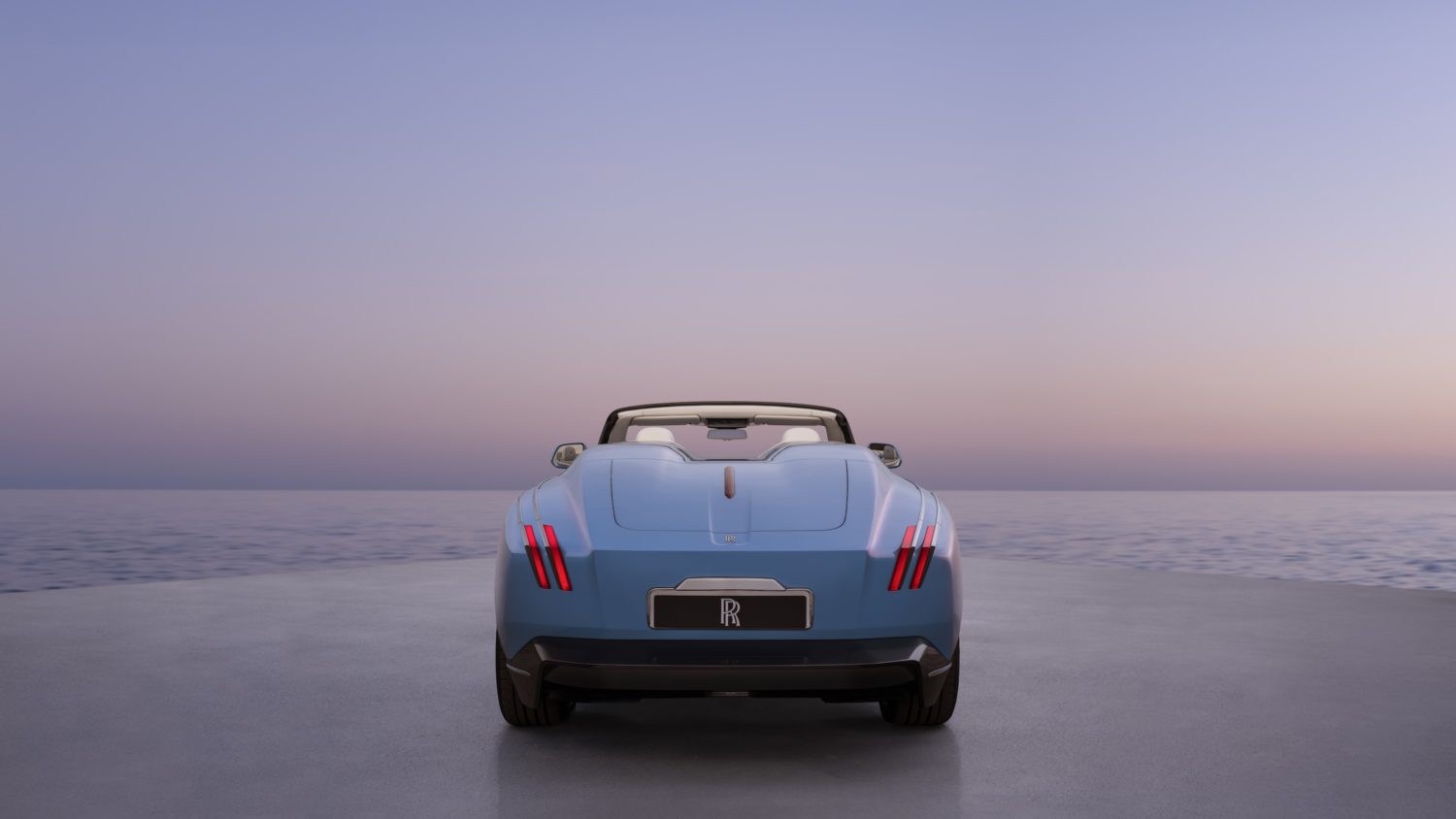
It is both inevitable and unexpected, as Dukec suggests: a motor car that feels entirely aligned with the marque’s heritage, yet unlike anything that has come before. In its silence, its sculptural purity, and its uncompromising commitment to beauty, it represents the most extravagant expression of Rolls-Royce’s capabilities today. And, perhaps more importantly, a glimpse of everything that follows.