For years, wearable technology has promised to optimise our lives, yet many devices have simultaneously made modern wellbeing feel increasingly overwhelming. Endless notifications, subscription fatigue and complicated data dashboards have transformed “health tracking” into something closer to another full-time responsibility.
Now, GABIT is attempting to shift that narrative with the UK launch of its new Smart Ring, a sleek, screen-free wearable designed not for biohackers or elite athletes, but for ordinary people looking to understand their wellbeing in a calmer, more intuitive way.
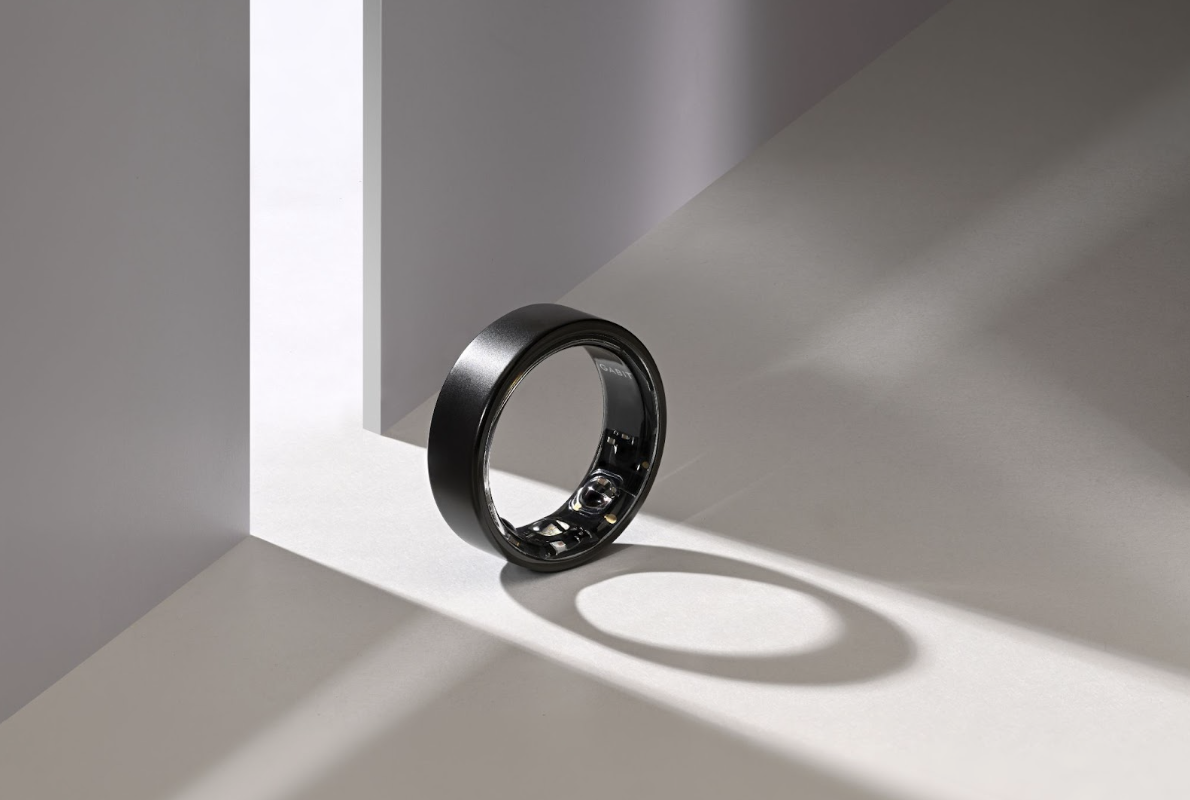
Minimalist in appearance and lightweight enough for 24/7 wear, the titanium ring quietly gathers a comprehensive picture of daily health without demanding constant attention. Rather than flooding users with metrics, GABIT focuses on translating complex wellness data into meaningful, actionable insight.
At the centre of the ecosystem are four interconnected pillars: fitness, nutrition, sleep and stress. Together, they form a more holistic understanding of wellbeing that moves beyond simple step counts or calorie targets.
The ring itself tracks a wide range of biometric data including heart rate, heart rate variability (HRV), VO2 max, sleep cycles, stress levels and activity patterns, while the accompanying GABIT app integrates nutritional tracking to provide a fuller overview of how lifestyle habits influence physical and mental performance throughout the day.
What makes the platform particularly appealing is its attempt to simplify wellness technology at a time when many consumers are becoming fatigued by hyper-optimisation culture. There are no distracting screens, no intrusive alerts and notably, no ongoing subscription fees, a rarity in the current wearable technology market.
Battery life also feels refreshingly practical, lasting between seven and ten days on a single charge, allowing the device to blend naturally into everyday life rather than becoming yet another item demanding constant maintenance.
Perhaps the most modern aspect of the system is Coach PEP, GABIT’s AI-powered wellness assistant. Instead of simply presenting raw numbers, the platform interprets trends and behaviours to generate personalised recommendations designed to improve recovery, energy levels and overall daily performance. The aim is not perfection, but sustainability, helping users understand how sleep quality, stress, nutrition and movement interact over time.
The timing of GABIT’s UK launch feels particularly relevant. Wellness culture is increasingly shifting away from punishing optimisation and toward balance, longevity and emotional wellbeing. Consumers are becoming more selective about the technology they invite into their lives, prioritising tools that feel supportive rather than addictive.
In that sense, GABIT positions itself less as another gadget and more as a quiet wellness companion, one that sits discreetly in the background while helping users reconnect with the rhythms of their own bodies.
As wearable technology continues evolving, the future may not belong to the loudest devices or the platforms collecting the most data, but to the ones capable of making health feel simpler, calmer and more human again.