Fine jewelry used to live in a box, saved for weddings, anniversaries and the occasional big night out. That has quietly changed.
The mood now is everyday luxury. People want pieces they can wear with a t-shirt on Tuesday and a slip dress on Saturday, without a second thought.
The trick is choosing well. A small, thoughtful collection of versatile pieces will always beat a drawer full of things you never reach for. Here is how to build one.
Key Takeaways
The quick version before we get into it:
• Buy fewer, better pieces. A handful of versatile staples will outwork a pile of trend buys.
• Versatility is everything. The best pieces move from day to night and layer easily.
• Material matters most. Solid gold and responsibly sourced diamonds are what make jewelry last.
• Layering is a skill, not a rule. Mixing lengths and metals is encouraged, not forbidden.
• Care is simple. A little upkeep keeps fine jewelry looking new for decades.
Why Everyday Fine Jewelry Is Having a Moment
Call it quiet luxury or just good sense. The appetite for loud, logo-heavy accessories has cooled, and understated fine jewelry has taken its place.
Part of the appeal is value. A solid gold piece holds up far better than costume jewelry, and it often becomes something you pass on rather than throw out.
The rest is practicality. When a piece is comfortable and goes with everything, you actually wear it, which makes the cost per wear surprisingly kind.
This is why the smartest collections start small. A few well-chosen staples do more work than a dozen impulse buys.
The Versatile Heroes Worth Owning
Every great collection has a few hardworking basics. Think simple diamond studs, a thin gold chain and a piece with just enough sparkle to dress things up.
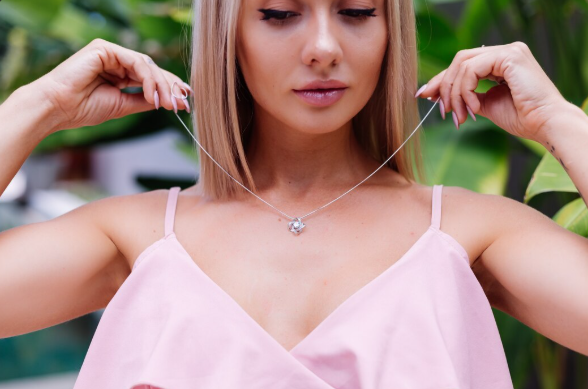
One style that earns its place again and again is the diamond station necklace. It features small diamonds set at intervals along a fine chain, so the light catches as you move without ever feeling like too much.
The look has real pedigree. Elsa Peretti created the original Diamonds by the Yard design for Tiffany in 1974, and it has never truly gone out of style.
What makes it so wearable is its restraint. It sits beautifully on its own for daytime, then layers effortlessly with a pendant or chain when you want more presence in the evening.
It is the rare piece that flatters almost everyone, which is exactly what you want from a staple.
If you plan to buy just one diamond piece this year, it makes a strong case for itself.
Materials That Actually Last
If you take one thing away, let it be this. The material matters more than the trend.
Solid gold, whether 10k or 14k, resists tarnish and wear in a way that plated pieces simply cannot. Plating can look similar at first, then it rubs off with everyday use.
Diamonds are worth understanding too. Lab-grown stones are chemically identical to mined ones and usually cost less, while many modern brands now use recycled gold and conflict-free diamonds.
Buying solid and responsibly sourced costs a little more upfront. It also means your pieces can last for decades and quietly outlive the trends.
It is worth checking the details before you buy. Look for a karat stamp such as 14k, and favour sellers who are clear about where their gold and stones come from. A solid warranty or an easy returns policy is another sign you are buying quality.
How to Layer and Style Them
Layering is where everyday jewelry gets fun. The current approach is relaxed, so the old rule about never mixing metals can go.
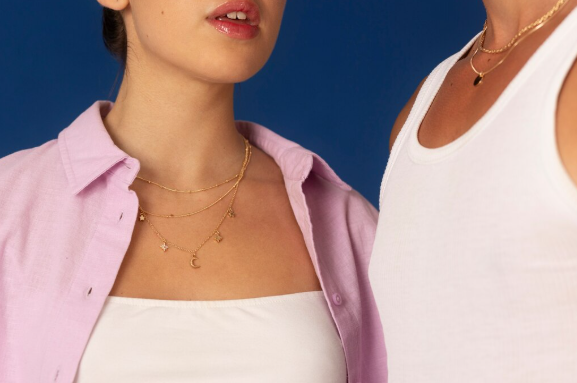
Start with a base piece that sits high, add a mid-length chain, then finish with something longer for depth. Varying the lengths stops everything from tangling and gives the eye somewhere to travel.
Once you know how to style your jewelry, the rest is instinct. Mix textures, blend gold tones and let one piece lead while the others support.
The goal is not more jewelry. It is a look that feels collected over time rather than bought all at once.
Caring for Fine Jewelry
Good pieces deserve a little upkeep, and it does not take much. Warm water, a drop of gentle soap and a soft brush will restore most of the sparkle a busy week takes away.
Take jewelry off before swimming, showering or applying lotion and perfume, since chlorine and oils dull the finish over time.
Store pieces separately so chains do not knot and diamonds do not scratch softer metals. A simple pouch or a lined box does the job.
Do this and your collection will look as good in ten years as it does today.
Final Thoughts
Building a fine jewelry collection is not about owning the most. It is about owning the right things and reaching for them daily.
Start with a few versatile staples, choose solid materials and add slowly as you go. Done that way, your jewelry stops being something you save for later and becomes part of who you are now.
Frequently Asked Questions (FAQ)
What is a diamond station necklace?
It is a fine chain with small diamonds set at regular intervals, rather than clustered in one pendant. The spacing gives a subtle, scattered sparkle that suits everyday wear.
Is solid gold really worth the extra cost?
For pieces you plan to wear often, yes. Solid gold resists tarnish and wear, holds its value and can last for generations, while plated jewelry tends to fade with regular use.
Are lab-grown diamonds real diamonds?
Yes. Lab-grown diamonds share the same chemical and physical properties as mined diamonds. The main differences are origin and price, with lab-grown stones usually costing less.
How many necklaces should I layer?
Two or three is a flattering starting point. Vary the lengths so they do not overlap, then adjust to taste once you see how they sit together.
How do I keep fine jewelry looking new?
Clean it gently with warm water and mild soap, keep it away from chlorine, lotion and perfume, then store pieces separately to avoid scratches and tangles.