
Ahead of Global Accessibility Awareness Day, Eurostar has revealed a sharp rise in demand for accessible and assisted travel, underscoring a growing expectation for more inclusive journeys across Europe’s rail network.
New figures from the international high-speed rail operator show assistance-related contact increased by 15.34% in 2025 compared to 2024, rising from 28,080 to 32,998 between January and November. Compared to 2023, the increase reached 48.65%, climbing from 21,854 to 28,080 over the same period.
At St Pancras International, demand for assistance services also continued to grow, with a 16.6% year-on-year increase in assistance jobs recorded. In Paris, figures rose by 10% in 2025 against 2024, following heightened awareness surrounding accessibility during the 2024 Paralympic Games.
The increase reflects a broader shift in how passengers engage with rail travel, with more customers seeking support not only for mobility needs, but also for neurodiversity and non-visible disabilities.

As part of its ongoing commitment to inclusive travel, Eurostar has expanded its accessibility resources, including a comprehensive accessibility guide designed to help customers understand the support available throughout every stage of their journey. The guide covers pre-booked assistance, accessible station facilities and onboard services, and is available in alternative formats including large print, audio and braille.
Passengers travelling across the Eurostar network can currently access a range of support services, including dedicated accessibility support teams in stations and contact centres, free assistance coordinated across international borders, priority check-in on London routes, wheelchair spaces, accessible toilets, dedicated waiting areas and support linked to the Hidden Disabilities Sunflower Scheme. Companion fares are also available for customers unable to travel independently.
Eurostar says its accessibility strategy is shaped directly by customer feedback, drawing insight from more than 4,500 passengers with accessibility needs each year, alongside continued collaboration with disability organisations, accessibility specialists and customer panels.
Kirsty Hollywood, Customer Accessibility Manager at Eurostar, said:
“We know that accessible travel is about far more than mobility. Customers are increasingly telling us they want journeys that feel clear, supportive, and confidence-building from start to finish. Whether that’s physical assistance, better information, support for non-visible disabilities or simply knowing help is there if needed.”
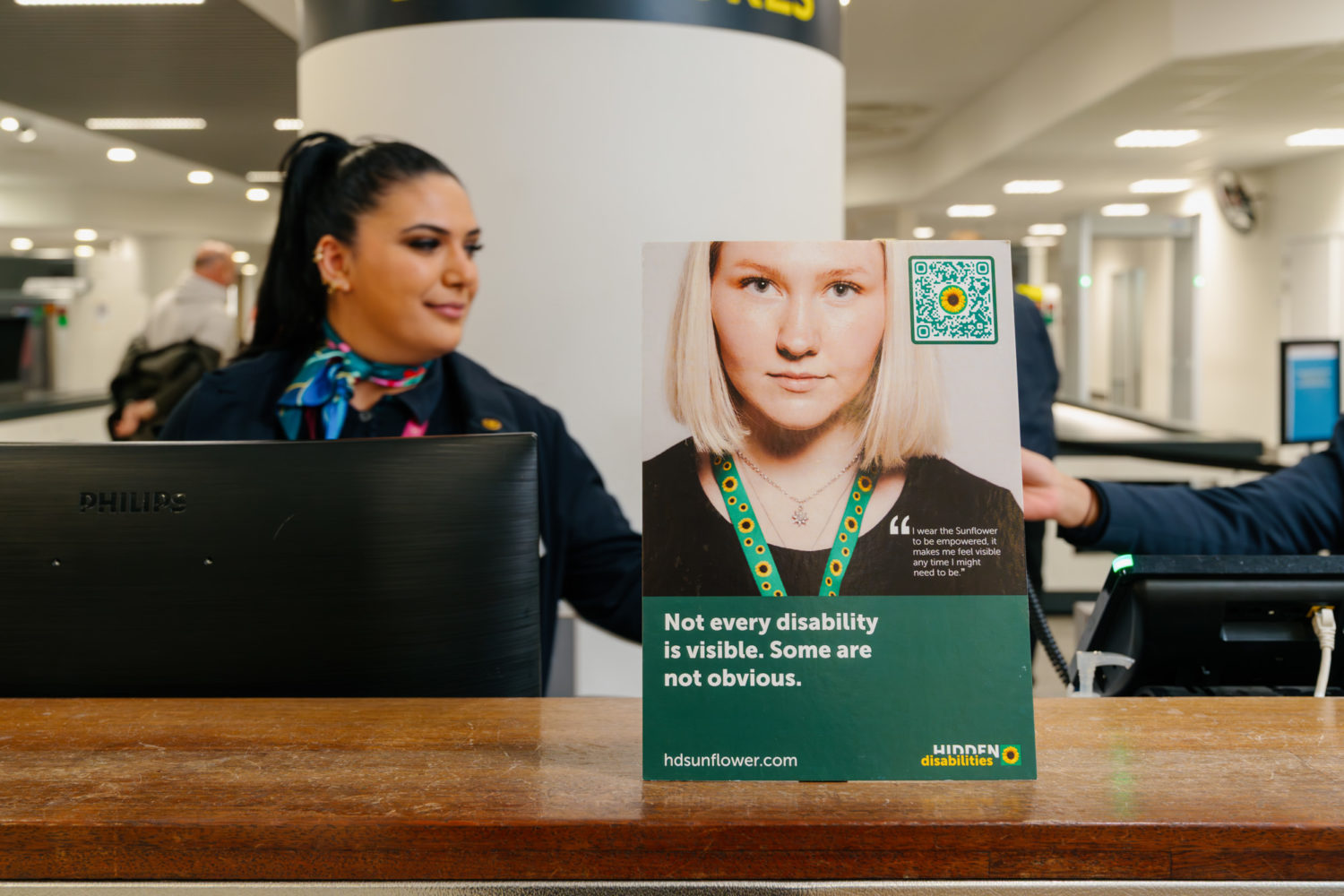
Alongside its latest accessibility initiatives, Eurostar has introduced enhanced accessibility information online, upgraded accessible waiting areas in Brussels and Amsterdam, additional station wheelchairs and expanded assistance services across its international routes.
The operator also continues to prioritise staff training, recognising frontline interactions as one of the most important drivers of passenger confidence and comfort. All Eurostar staff receive regular accessibility awareness training as part of the company’s wider commitment to creating a more inclusive travel experience across Europe.