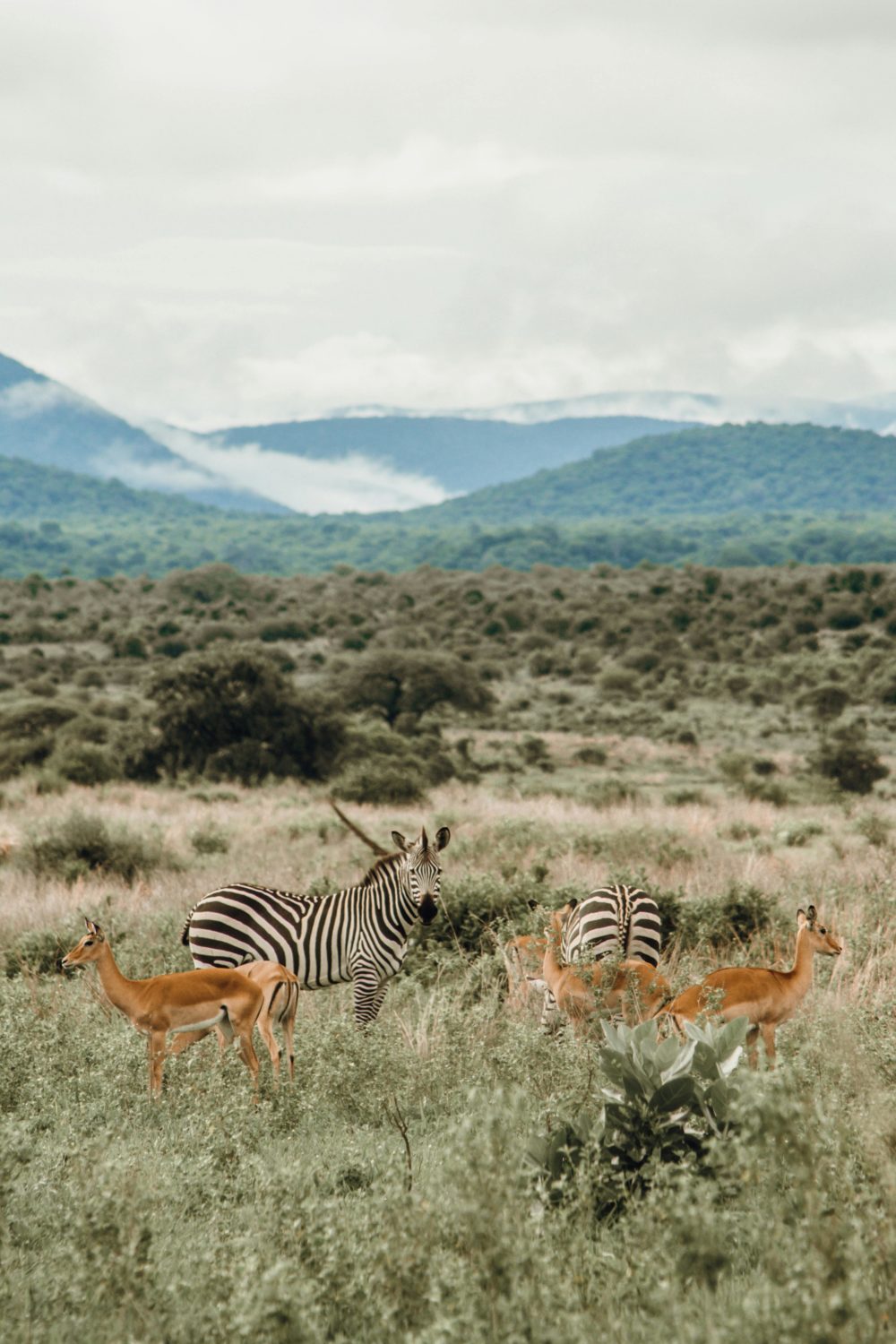
When most people picture a Kenya safari, they imagine golden grasslands stretching to the horizon, dotted with acacia trees and roaming herds of wildebeest. While this image is not wrong, it captures only a fraction of what Kenya actually has to offer. The country encompasses an extraordinary range of ecosystems, from arid northern deserts and ancient highland forests to volcanic lakes and coral reefs along the Indian Ocean coast. For travelers looking to explore Kenya safari tours, understanding the diversity of landscapes on offer is the first step towards planning a journey that goes well beyond the obvious and delivers something genuinely memorable at every turn.
The Open Grasslands of the Maasai Mara and Amboseli
The open savanna grasslands of southwestern and southern Kenya represent the country’s most iconic landscape and the one most closely associated with the classic African safari experience. The Maasai Mara National Reserve, which forms a continuous ecosystem with Tanzania’s Serengeti, is a vast expanse of rolling grassland, riverine forest, and seasonal wetlands that supports one of the highest concentrations of wildlife on the continent.
The Mara’s open terrain makes it particularly well suited to game viewing, as animals are visible across long distances and predator-prey interactions play out in full view of safari vehicles. Lions, cheetahs, elephants, hippos, and countless species of antelope call this landscape home, while the annual Great Migration brings millions of additional wildebeest and zebras between July and October. Amboseli, further south, offers a different but equally rewarding variation on the savanna theme, with its swamp-fed wetlands and the dramatic backdrop of Mount Kilimanjaro providing a setting that is as visually striking as it is rich in wildlife.
The Arid Landscapes of Samburu and the Northern Frontier
Travel north of the equator in Kenya and the landscape shifts dramatically. The lush grasslands of the south give way to a drier, more rugged terrain of red earth, scattered doum palms, and thorny scrubland that stretches towards the Ethiopian border. This is the northern frontier, a vast and sparsely populated region that feels genuinely remote and offers a safari experience markedly different from the well-trodden parks of the south.
Samburu National Reserve is the most accessible entry point into this northern wilderness, and it rewards visitors with a cast of wildlife uniquely adapted to arid conditions. The Special Five of the north, comprising the reticulated giraffe, Grevy’s zebra, Somali ostrich, gerenuk, and Beisa oryx, are found here and nowhere else in Kenya. The Ewaso Nyiro River threads through the reserve, drawing elephants, lions, and leopards to its banks and providing a reliable focal point for game viewing in an otherwise harsh and unforgiving landscape.
The Forests and Highlands of Central Kenya
Central Kenya is dominated by the highlands surrounding Mount Kenya, the country’s highest peak and the second highest mountain on the African continent. This elevated region supports a very different suite of habitats and wildlife from the lowland parks, encompassing montane forest, bamboo zones, heath, and afro-alpine moorland as the altitude increases.
Aberdare National Park, situated within this highland zone, is home to forest elephants, black rhinos, leopards, and a remarkable variety of forest birds. The park’s dense vegetation and misty atmosphere give it a very different character from Kenya’s open savanna reserves, and the experience of tracking wildlife through ancient forest is one that contrasts sharply with the classic game drive in ways that many travelers find deeply rewarding. The foothills of Mount Kenya also support several private conservancies that combine wildlife experiences with mountain scenery in settings of outstanding natural beauty.
The Great Rift Valley: Lakes, Flamingos and Volcanic Scenery
The Great Rift Valley cuts through Kenya from north to south, creating a dramatic landscape of escarpments, volcanic craters, and a chain of lakes that vary enormously in character and wildlife value. This geological feature, formed by the movement of tectonic plates over millions of years, is one of the most significant natural landmarks on the African continent and gives Kenya some of its most visually dramatic scenery.
Lake Nakuru, nestled within its own national park, is famous for its populations of flamingos and its status as a protected sanctuary for both black and white rhinos. Lake Naivasha, further north, supports hippos, over 400 bird species, and the surrounding landscape of yellow fever trees that gives the area a distinctive and beautiful character. Lake Bogoria, a more remote alkaline lake in the northern Rift Valley, occasionally hosts the largest flamingo concentrations in Kenya when conditions are favorable, turning its shoreline into a vivid, shimmering spectacle of pink.
The Coastal Strip: Mangroves, Reefs and Marine Wildlife
Kenya’s Indian Ocean coastline stretches for approximately 536 kilometers and represents an ecosystem as rich and diverse as any of the country’s inland parks. The coast is characterized by white sand beaches, ancient coral reefs, mangrove forests, and warm tropical waters that support an abundance of marine life including dolphins, sea turtles, whale sharks, and hundreds of species of reef fish.
Watamu Marine National Park and Kisite-Mpunguti Marine National Park are the country’s premier marine protected areas, offering snorkeling, diving, and boat-based wildlife watching of exceptional quality. The coastal strip also provides important habitat for migratory shorebirds and is a rewarding destination for birders who have completed their inland safari and are looking to add coastal and marine species to their list. Combining a wildlife safari in the interior with time on the Kenyan coast is an increasingly popular approach that allows travelers to experience two of the country’s most compelling environments in a single journey.
Why Kenya’s Ecosystem Diversity Makes It a Year-Round Safari Destination
The breadth of Kenya’s ecosystems means that no matter when you visit, some part of the country is at or near its seasonal best. When the Maasai Mara is in the grip of the long rains and game viewing is more challenging, the northern parks of Samburu remain dry and productive. When the coast is at its most inviting during the months of January and February, the highland forests are alive with birdlife and the savanna parks are delivering outstanding dry season game viewing.
This ecological variety also means that repeat visitors to Kenya rarely feel they are covering the same ground twice. A traveler who has experienced the Maasai Mara and Amboseli on a first visit might return to explore Samburu, the Aberdares, and the coast on a second, discovering a side of the country that feels entirely new. It is this combination of depth and diversity, layered across landscapes of consistently extraordinary beauty, that has secured Kenya’s place as one of the world’s great safari destinations and ensured that it continues to draw travelers back time and again.