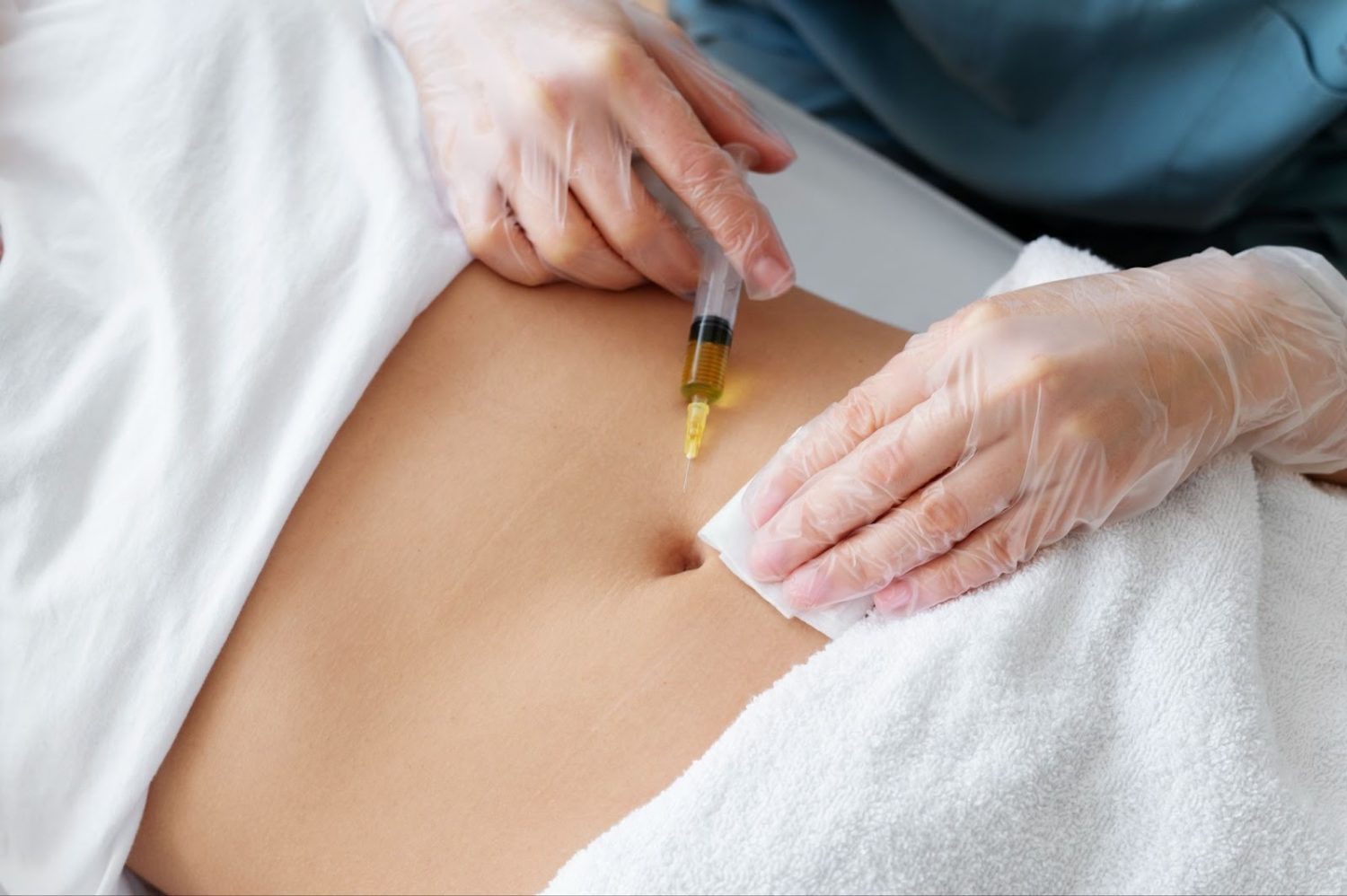
In 2024, liposuction remained the most frequently performed surgical procedure among women worldwide, according to the ISAPS Global Survey. This boom reflects more than aesthetic desire. Advances in technology, evolving patient needs, and greater understanding of psychological well-being are reshaping how people think about body contouring treatments. This blog explores what’s fueling the growth of these treatments and the science behind their impact.
The Range of Body Contouring Treatments
Body contouring today spans surgical and non-surgical approaches. On the surgical side, liposuction remains the gold standard for removing larger volumes of fat. Techniques like power-assisted and ultrasound-assisted liposuction provide more precision and reduce fatigue for the surgeon.
Non-surgical options cater to those seeking minimal downtime. Cryolipolysis (CoolSculpting) uses targeted cold to kill fat cells. Ultrasound and radiofrequency methods heat tissue to destroy or shrink fat cells. Each modality offers different strengths, and patients often choose based on lifestyle, recovery tolerance, and the size of the area being treated.
Comparing Effectiveness and Risk
When asking what are the most effective treatments for body contouring today, it’s clear that effectiveness varies by method and goal. Surgical liposuction offers the most dramatic results. It allows for larger volume reduction and immediate sculpting body changes, but it involves downtime and rare risks like deep vein thrombosis.
Non-surgical methods generally lead to more gradual improvements. Cryolipolysis can reduce fat layers by 10.3% to 28.5%, depending on the measurement method, with results appearing over several weeks, as shown in clinical data. It’s also associated with rare complications like paradoxical adipose hyperplasia, a condition where treated fat cells increase instead of shrinking.
Some patients worry: “can laser lipo damage organs?” While rare, if performed incorrectly or by untrained hands, heat-based treatments like laser lipolysis can pose risks. However, the incidence of internal organ damage remains extremely low when proper protocols are followed. The key is provider experience and technology quality.
Overview of Treatment Options
| Treatment Type | Average Fat Reduction | Common Side Effects | Downtime | Severe Complications |
| Surgical (Liposuction) | High (varies widely) | Bruising, swelling, temporary weight gain | Several days to weeks | DVT, PE (rare) |
| Cryolipolysis | 10.3% – 28.5% | Numbness, swelling, redness | Minimal | Paradoxical fat growth (rare) |
| Ultrasound | Reduction in BMI and body weight | Mild discomfort | Minimal | None noted |
| Radiofrequency | Long-term circumference and BMI reduction | Vasodilation, heat | Minimal | None noted |
How Much Is Body Sculpting?
Pricing varies widely based on the procedure type, provider, and geographic location. Non-invasive treatments like CoolSculpting might cost around $600 to $1,000 per session. Surgical procedures can range from $3,000 to $10,000 or more, depending on the number of areas treated and complexity.
Patients also need to consider their long-term goals and often ask, “Do you lose weight with CoolSculpting?” Not directly. These procedures are not weight-loss solutions. Instead, they are designed to reduce stubborn fat in targeted areas. Body contouring is about proportion and silhouette, not pounds lost.
Clinics Offering Body Contouring Options
The quality of results depends heavily on the provider’s expertise and the technology used. Some clinics specialize in advanced methods like ultrasound-assisted procedures, offering more defined and targeted fat removal. One example is the use of ultrasound‑guided VASER contouring, which breaks down fat with sound waves before removal, making it less traumatic on surrounding tissue. This method is particularly useful for areas where muscle definition is a priority.
When choosing a clinic, it’s important to verify the provider’s certifications, understand the technologies they use, and ask for before-and-after results. This ensures both safety and satisfaction with the outcomes.
Psychological and Emotional Impact
Beyond aesthetics, the psychological effects of body contouring are significant. Studies show reduced symptoms of anxiety and depression after procedures, especially in patients who’ve experienced major weight loss. These patients often report improved self-esteem and a renewed sense of confidence.
However, success depends on patient selection and expectation management. Those who undergo surgery expecting a complete shift in personal identity may still struggle emotionally, even with a technically perfect result. This makes psychological screening a critical part of ethical practice.
For a closer look at the broader benefits of body contouring, especially in cases like post-bariatric surgery, research points to improved social functioning and higher quality of life.
Technology and Combination Strategies
Innovations in non-invasive technologies have allowed for more customizable options. Devices that combine radiofrequency and electromagnetic stimulation are growing in popularity. These body contouring combination treatments appeal to patients looking for skin tightening, fat reduction, and muscle toning in one treatment plan.
Unlike older approaches that addressed only fat, modern systems target multiple layers of tissue. This multi-modal approach not only enhances results but also reduces the need for repeat procedures. Still, results depend heavily on consistent maintenance and realistic expectations.
Market Growth and Demographic Shifts
The increase in body contouring reflects broader market trends. Women account for over 95% of the body contouring patient population, according to demographic research., with many being employed, college-educated mothers in their 30s to 50s. Social media, celebrity influence, and evolving standards of beauty are major drivers behind the rising demand.
Interestingly, even with the popularity of GLP-1 weight-loss medications, demand for surgical fat removal continues to grow. That’s because these medications don’t address localized fat or loose skin. Body contouring complements medical weight loss by refining the shape patients work hard to achieve.
Regulatory Landscape and Safety Standards
Non-surgical devices are typically FDA-cleared rather than FDA-approved. This distinction means they were deemed safe based on similarity to existing devices, not long-term clinical trials. Kybella, the only FDA-approved injectable for fat reduction, had to meet much stricter standards.
This regulatory gap underscores why provider training and safety protocols are essential. As more patients undergo multiple treatments, the risk of complications—while still low—requires careful management. Providers need to understand how combining procedures affects tissue response and healing timelines.
Final Thoughts
Body contouring treatments continue to evolve, shaped by innovation, clinical research, and a growing understanding of patient goals. Whether surgical or non-surgical, each method offers distinct advantages depending on the desired outcome.To explore more about where aesthetic treatments are heading next, visit thearcadiaonline.com.