There is a growing irony at the heart of modern marketing. Brands are spending billions competing for our attention at precisely the moment consumers are searching for ways to escape it.
Meditation apps have become daily rituals. Sound baths have migrated from niche wellness circles into luxury hotels, spas and private members’ clubs. Playlists designed to regulate the nervous system, improve focus and support sleep attract millions of listeners. Sound, once considered little more than background noise, has quietly emerged as one of the most influential forces in contemporary wellbeing.
Few people understand this shift better than Michaël Boumendil.
You may not recognise his name, but chances are you’ve encountered his work several times today. As founder of Sixième Son, the world’s first agency dedicated exclusively to sonic branding, Boumendil has spent three decades shaping how brands sound. His creations are heard by an estimated 2.2 billion people every day across more than 550 audio identities worldwide.
The four notes that announce the arrival of a French train. The sonic identity of Michelin. The atmosphere surrounding Roland-Garros. Even the refreshed version of Maybe It’s Maybelline, which recently generated more than 26 million views on TikTok. All carry his unmistakable influence.
When Boumendil launched Sixième Son in 1995, the idea that a brand should possess a carefully crafted sound identity was considered unconventional. Today, sonic branding has become one of the most sophisticated disciplines in modern brand strategy, particularly as consumers increasingly engage with brands through headphones, podcasts, voice assistants, streaming platforms and short-form video.
Yet despite this evolution, Boumendil believes many brands still fail to understand the true potential of sound.

“Brands are spending billions to capture attention while consumers are actively seeking calm,” he says. “The question is whether brands are willing to meet them there.”
It is a philosophy that feels especially relevant in the luxury sector, where experience increasingly matters as much as product.
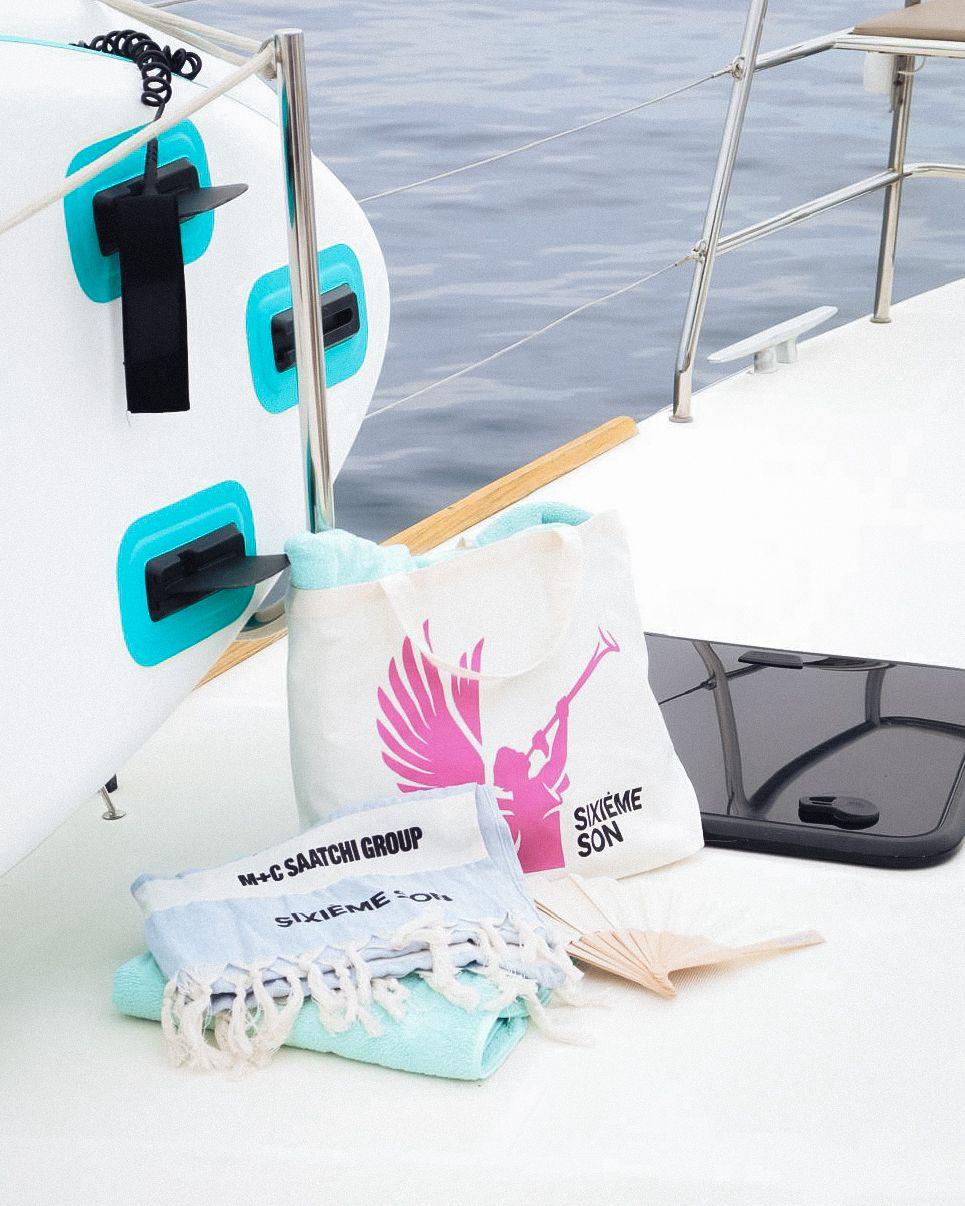
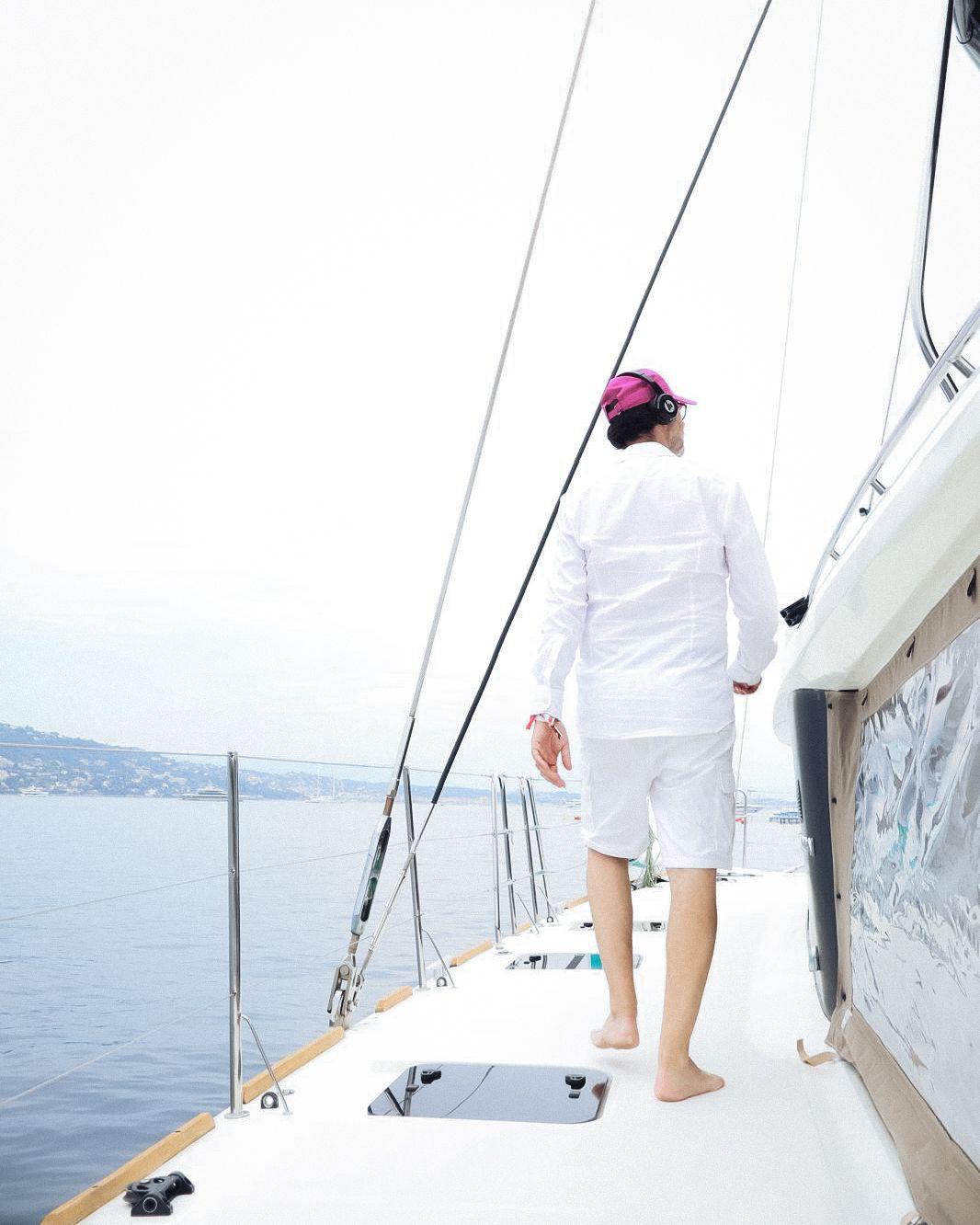
At this year’s Cannes Lions, Boumendil will unveil The Sound of the Sea, an immersive listening experience designed to offer respite from the relentless energy of the Croisette. Rather than another high-octane networking activation, it offers something far more valuable: stillness. Guests are invited to step away from the noise, reconnect with themselves and experience the restorative power of sound in its purest form.
The concept reflects a broader thesis Boumendil has spent decades developing. Sound is not merely decorative. It has measurable effects on memory, emotion and even physiology.

Scientific studies have linked music to dopamine release, reduced cortisol levels and lower anxiety, while ongoing research continues to explore its influence on stress management, cognitive performance and recovery. Consumers instinctively understand this. They turn to ambient playlists to unwind, meditate using carefully curated frequencies and use sound as a tool to regulate mood, energy and focus throughout the day.
Brands, however, often remain behind the curve.
Too many still treat audio as an afterthought: a generic jingle, forgettable hold music or a soundtrack added in post-production. Boumendil argues that sonic identity deserves the same strategic consideration as typography, packaging, architecture or visual storytelling.
Perhaps most compelling is his concept of “emotional decency”, the belief that brands have a responsibility not to exploit anxiety or manipulate audiences through sound’s remarkable ability to influence emotion. At a time when artificial intelligence can generate endless content, attention spans continue to fragment and algorithms increasingly dictate what we see and hear, it presents a powerful challenge to the marketing industry.
The brands that thrive over the next decade may not necessarily be the loudest. They may be those that understand something Boumendil recognised long ago: people rarely remember every image they encounter, but they never forget how something made them feel.
Increasingly, sound may prove to be the most powerful way of shaping that feeling.