We know our skincare ingredients by heart. We can explain the difference between retinol and retinal, debate the benefits of magnesium glycinate versus citrate and spend hours researching the latest wellness trends. We read labels, compare formulations and increasingly expect transparency from the brands we invite into our daily lives.
Yet when we get sick, something changes. Most of us stop asking questions. We reach for the nearest painkiller, antihistamine or cold remedy without giving much thought to what’s inside it, how it was produced or whether we’re even making the most informed choice for our symptoms. The values we apply to beauty, fashion and food often disappear the moment we’re focused on feeling better.
It’s a fascinating contradiction and one that Marissa Saretsky believes deserves more attention.
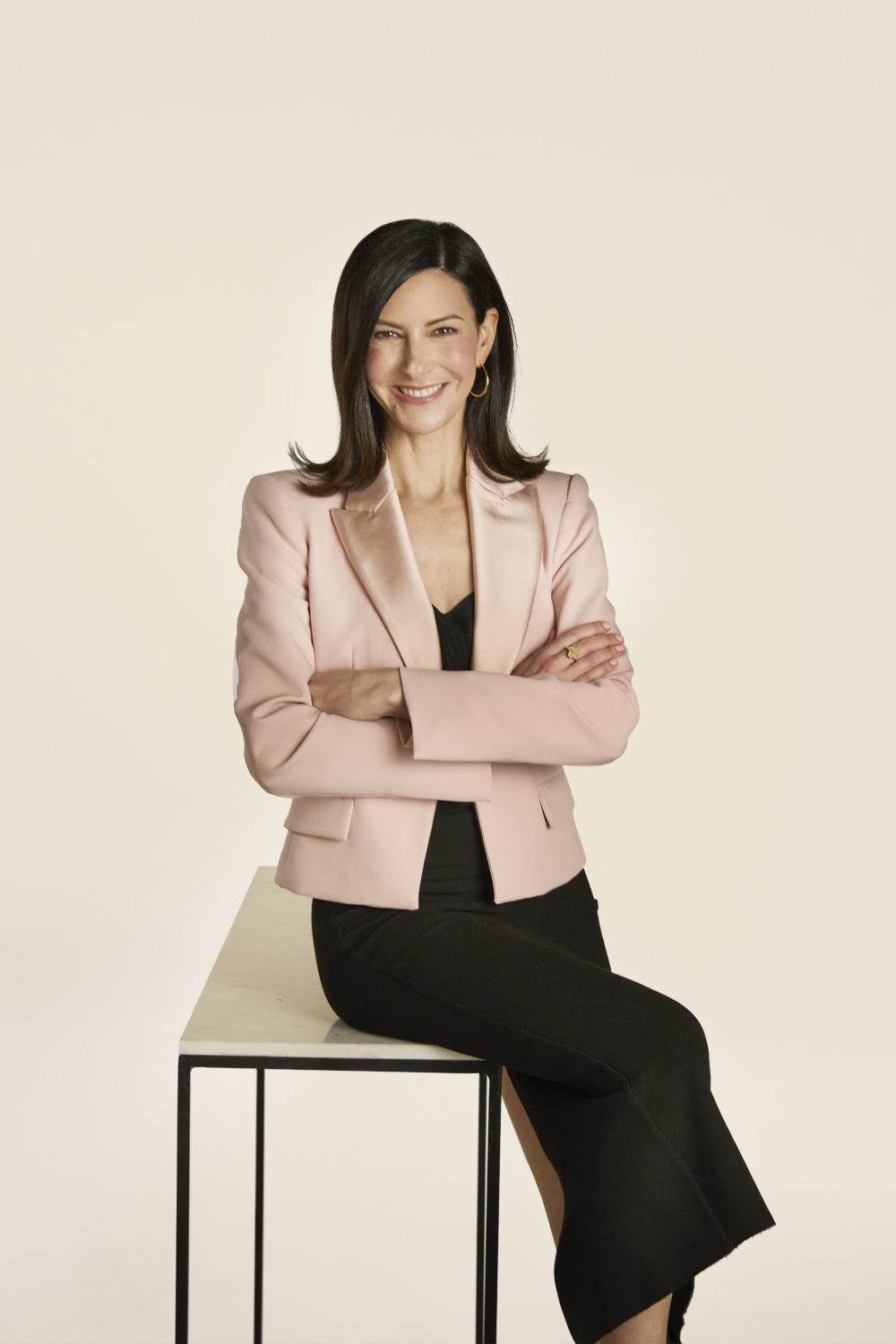
As Chief Sustainability Officer at Opella, the company behind household names including Allegra, Buscopan, Doliprane and Dulcolax, Saretsky is helping lead a conversation around health literacy, encouraging consumers to feel more confident and informed when it comes to managing their own health.
The Wellness Boom Has Created A Knowledge Gap
Over the past decade, consumers have become increasingly engaged with wellness. From supplements and gut health to preventative healthcare and longevity, there has never been more information available. Social media has transformed ordinary consumers into ingredient detectives, wellness enthusiasts and self-care advocates.
Yet healthcare has not always kept pace. While many people feel confident discussing collagen supplements or their skincare routine, far fewer feel confident understanding everyday medicines or navigating common health concerns. That confidence gap matters.
Across Europe alone, an estimated 1.2 billion minor ailments are self-managed every year using non-prescription medicines, saving more than 13 billion hours in travel and waiting time and over 2 billion hours of physician time.
When people have the right information, self-care can be one of the most effective tools available for supporting both individual wellbeing and healthcare systems.
What Is Health Literacy?
At its simplest, health literacy is the ability to access, understand and use health information to make informed decisions.
It means knowing how to manage common illnesses, understanding the role of pharmacists, recognising when professional medical support is needed and feeling confident enough to make everyday healthcare choices.
For Saretsky, improving health literacy is one of the most important opportunities in modern healthcare.
Opella has committed to improving health literacy for 50 million people annually and aims to train 200,000 pharmacists by 2030, helping more consumers access reliable health information and guidance.
The goal isn’t to turn everyone into healthcare experts. It’s about helping people feel more empowered in the decisions they make every day.
Should Sustainability Stop Mattering When We Feel Unwell?
The rise of conscious consumerism has changed almost every industry. Consumers increasingly want to know where products come from, how they are made and what impact they have on the world around them. Sustainability has become part of conversations around fashion, beauty, travel and food.
Healthcare has often been left out of that discussion. The reality is that healthcare products also have supply chains, manufacturing processes and environmental footprints. The challenge is that when we’re unwell, our immediate focus is naturally on getting better but perhaps sustainability and healthcare don’t need to be separate conversations. Maybe the future lies in helping consumers make choices that support both their personal wellbeing and the wider world around them.
A New Chapter For Consumer Healthcare
This belief sits at the heart of Health³, Opella’s new sustainability programme built around three connected pillars: Healthy Planet, Healthy People and Healthy Business.
The initiative follows a series of major milestones for the company, including achieving all of its 2025 sustainability goals, transitioning to 100 per cent renewable electricity across operations and becoming the first global consumer healthcare company to achieve B Corp certification.
For Saretsky, however, the bigger picture is about recognising that health does not exist in isolation.
“We stand at an inflection point where interconnected global challenges demand interconnected solutions. Climate risks and social inequities are amplified by one another, creating cascading effects that no single intervention can solve,” she explains.
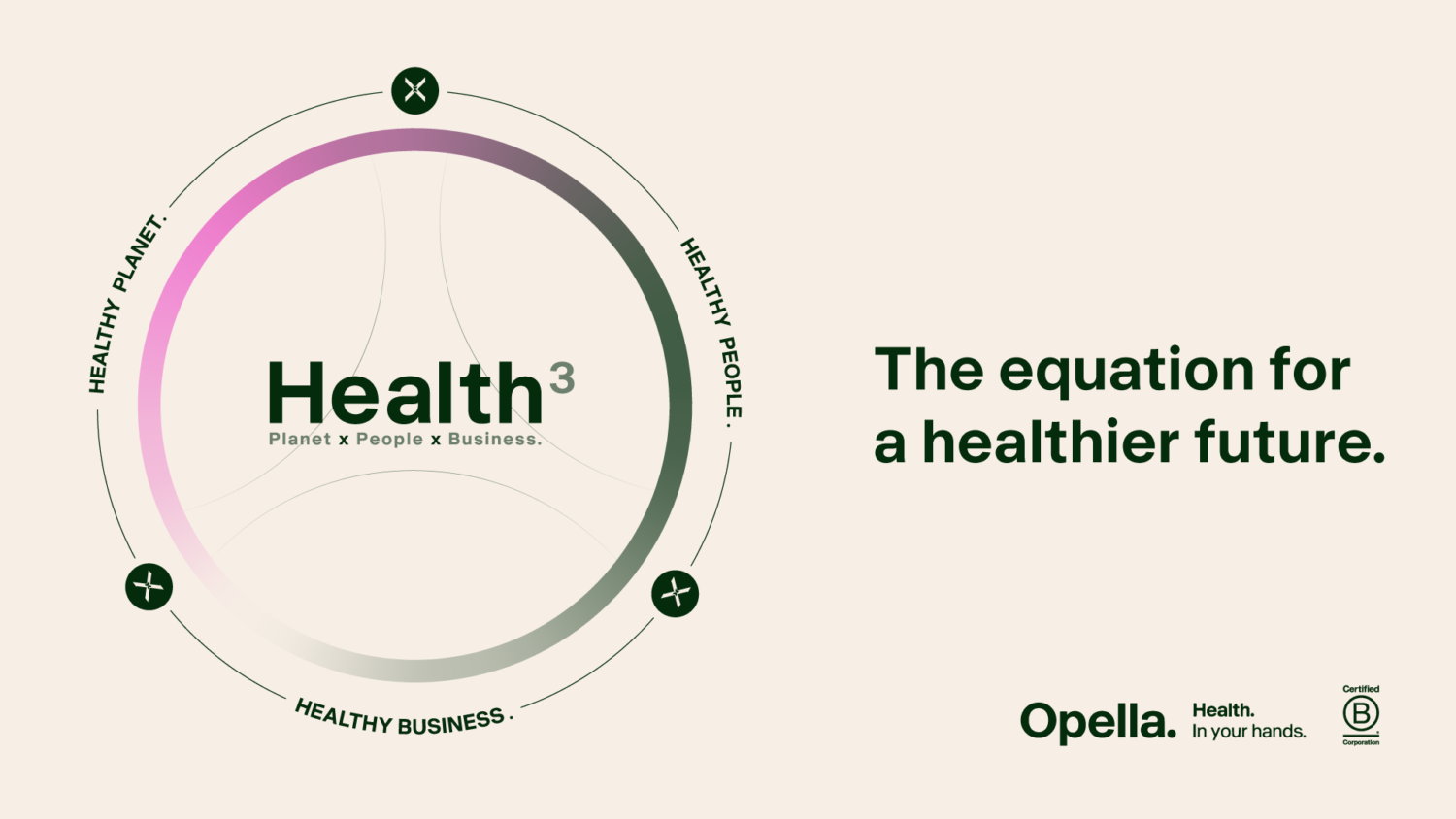
“Health³ is our commitment to systemic transformation, recognising that when we multiply our efforts across planet, people and business, we don’t just add value, we exponentially increase our ability to address the world’s pressing challenges.”
The Future Of Self-Care
As consumers continue to embrace preventative health, supplements and wellbeing, confidence is becoming just as important as access.
The future of self-care isn’t simply about buying more products or following the latest wellness trend. It’s about understanding our health well enough to make informed decisions when it matters most.
Because while knowing your skincare ingredients is useful, understanding your own healthcare may be one of the most valuable forms of self-care there is.